Tell us about the job
Takes about a minute. No obligation.
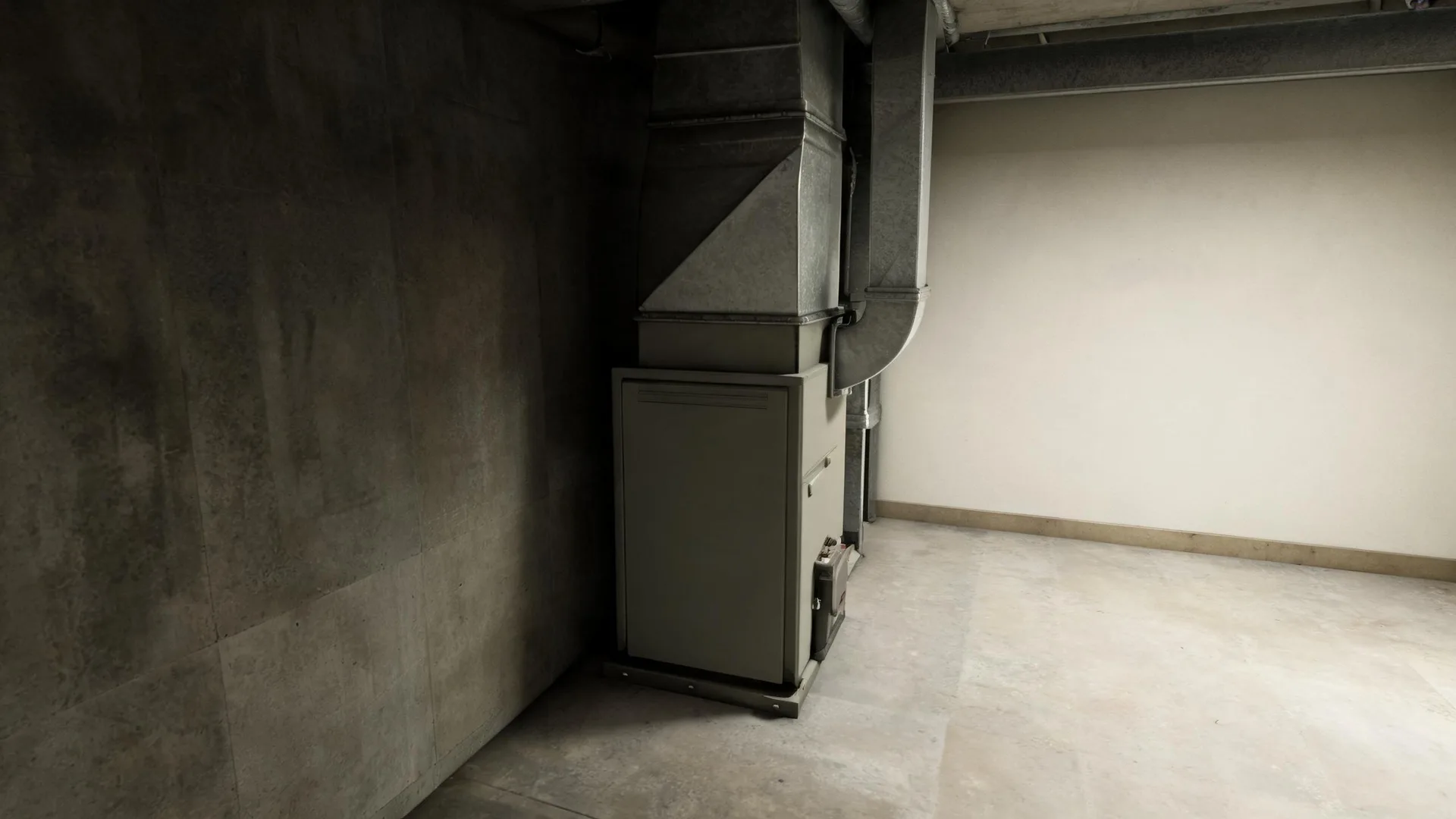
A furnace contractor quoting in Redwood County is solving a heating problem first. 92 severe weather events were recorded in Redwood County, Minnesota between 2015 and 2024. That puts this area near the middle of counties nationwide, which means storm load is a real but not dominant variable. What drives sizing decisions here is the depth of a Minnesota winter and how well the existing ductwork and envelope can carry the output a new unit produces. A contractor has to measure both before the equipment is chosen.
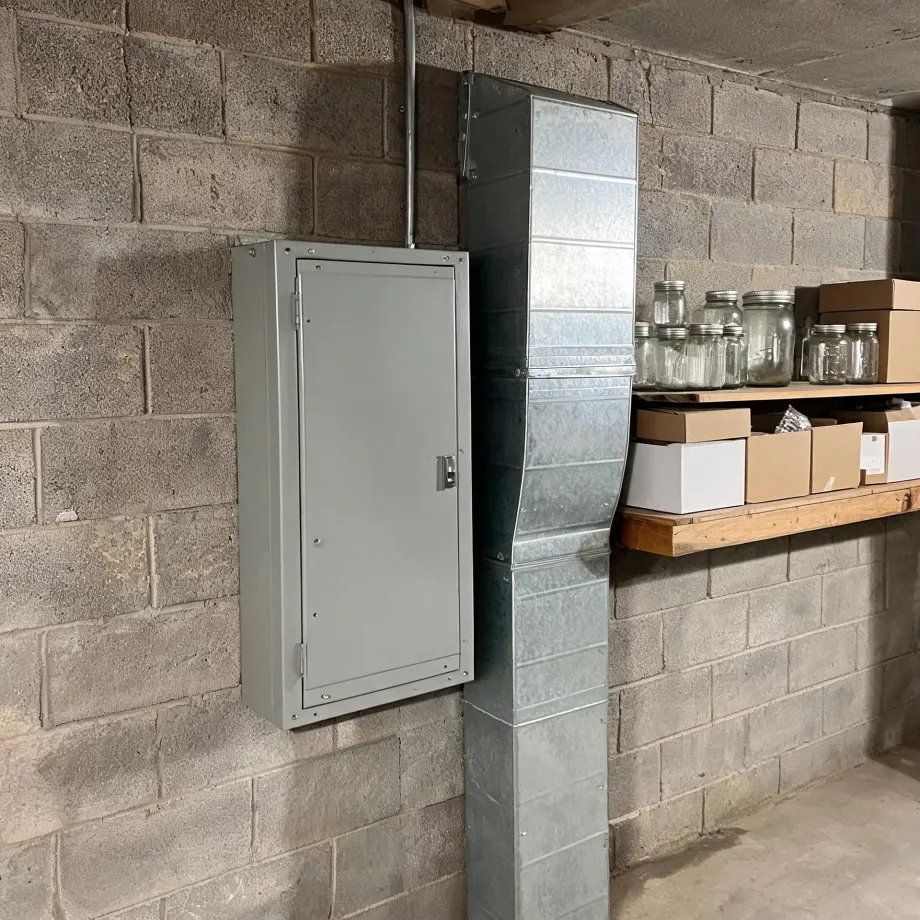
Ductwork laid down for an earlier generation of heating equipment was sized and routed around different assumptions than a modern furnace makes. Half the homes in Redwood County, Minnesota were built in 1965 or earlier (2020-2024 ACS 5-year). A contractor installing a new furnace in a house from that era has to assess what the existing duct system will actually carry before the new unit gets priced, because the distribution network is where a straightforward job turns into something longer. The electrical service is a second check: older panels were not built for current draw requirements. Neither is a given until someone opens the walls and looks.
What Gets Installed With a New Furnace
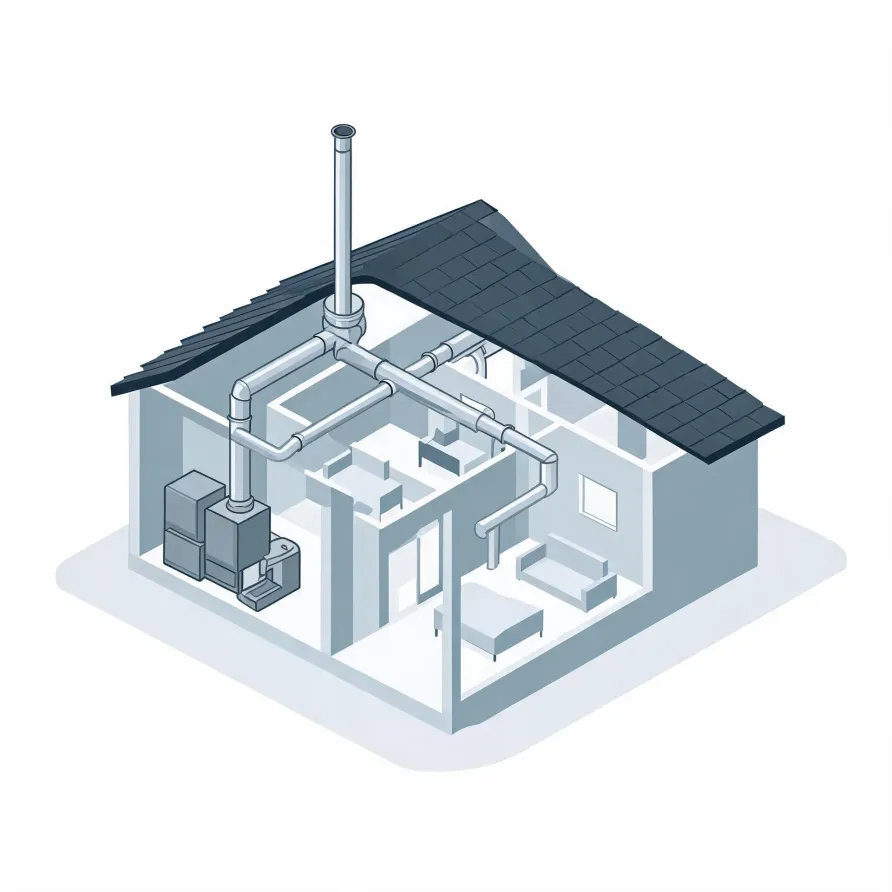
The furnace itself sits in the basement, utility room, or closet and is the unit that produces heat for the house. Attached to it is the flue or exhaust pipe, which runs up through the house or out a side wall and carries combustion gases outside. The air handler, if separate, moves conditioned air into the duct system.
The thermostat mounts on a main-floor wall and is what the homeowner uses to set temperatures and control the system. Near the furnace, the contractor also installs a filter housing to catch airborne particulates before air moves through the heat exchanger, along with a gas line connection and shutoff valve.
The drawing shows a typical layout, and a licensed contractor determines exactly what applies to this house.
Get matched in Redwood CountyRedwood County, by the numbers
92 severe weather events were recorded in Redwood County, Minnesota between 2015 and 2024.
NOAA National Centers for Environmental Information, Storm Events Database, bulk CSV export, events 2015-01-01 through 2024-12-31.Half the homes in Redwood County, Minnesota were built in 1965 or earlier (2020-2024 ACS 5-year).
U.S. Census Bureau, 2020-2024 American Community Survey 5-Year EstimatesRedwood County, Minnesota holds 7,110 housing units (2020-2024 ACS 5-year).
U.S. Census Bureau, 2020-2024 American Community Survey 5-Year EstimatesOwners occupy 78.4% of the occupied homes in Redwood County, Minnesota (2020-2024 ACS 5-year).
U.S. Census Bureau, 2020-2024 American Community Survey 5-Year EstimatesCodes & Standards Governing Furnace Installation in Redwood County, Minnesota6 sourced rules and standards
What happens on installation day
Non-weatherized gas furnaces manufactured on or after November 19, 2015 must reach 80.0 percent AFUE.
Non-weatherized oil-fired furnaces manufactured on or after November 19, 2015 must reach 83.0 percent AFUE.
Mobile home gas furnaces manufactured on or after November 19, 2015 must reach 80.0 percent AFUE.
Non-weatherized gas furnaces manufactured on or after December 18, 2028 must reach 95.0 percent AFUE, up from the 80.0 percent minimum that applies to units manufactured before that date.
Licensing and Legal Requirements in Redwood County, Minnesota
Minnesota defines a mechanical contractor as a business that installs, repairs or maintains heating, ventilating, cooling or refrigeration systems — the definition that carries the exemption from the residential contractor licence.
Minnesota's residential contractor licence does not reach HVAC work: the licensing section carries its own exemption list, and a mechanical contractor is exempt from the licence requirement by name.
Severe Weather Events in Redwood County
Minnesota weather puts real demands on heating equipment, and Redwood County has its own local pattern. A furnace sized and installed for the conditions here will handle the workload that the climate actually places on it.
92 severe weather events, 2015–2024. Source: NOAA National Centers for Environmental Information, Storm Events Database.