Tell us about the job
Takes about a minute. No obligation.
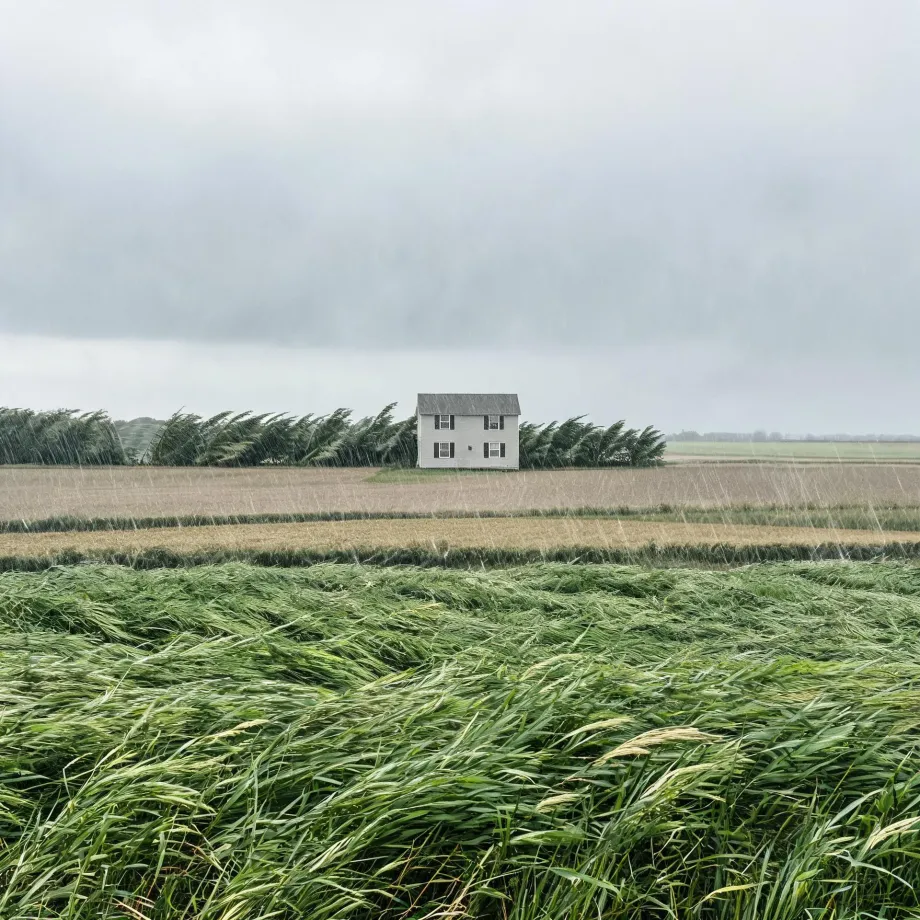
A furnace installation in Olmsted County is a local engineering question, not a product selection. 230 severe weather events were recorded in Olmsted County, Minnesota between 2015 and 2024. At that rate, severe weather is part of the normal operating environment a new system will run against from its first season, which means the equipment a contractor specifies and the way it gets installed both need to hold up under conditions that arrive regularly. Duct sealing, unit placement, and heat exchanger ratings are decided with that load in mind.
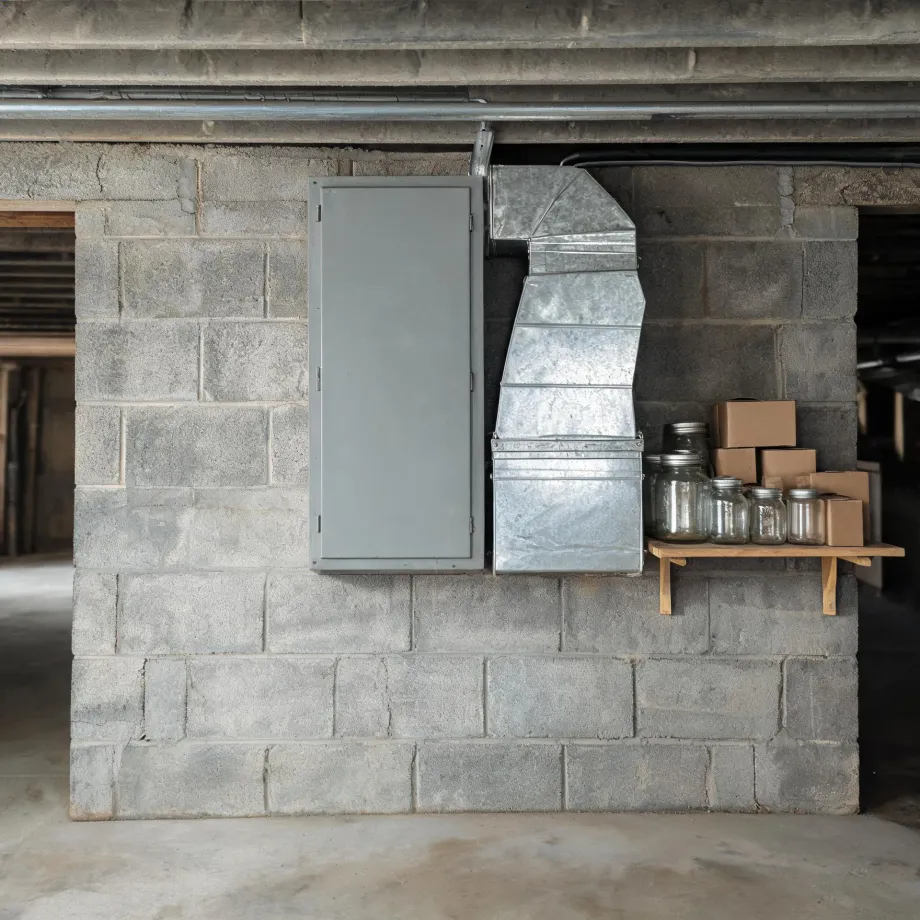
Ductwork that was designed for an older furnace carries assumptions about static pressure and airflow that a modern unit may not share, and in Olmsted County's housing stock those assumptions are baked into a lot of houses. Half the homes in Olmsted County, Minnesota were built in 1989 or earlier (2020-2024 ACS 5-year). A contractor quoting a furnace replacement here checks what the existing duct system can actually move before settling on a unit, because installing a higher-output furnace into undersized or poorly sealed runs produces comfort problems the equipment alone cannot fix. The electrical service is a secondary check. The duct layout is where the job's real constraints live.
What Gets Installed With a New Furnace
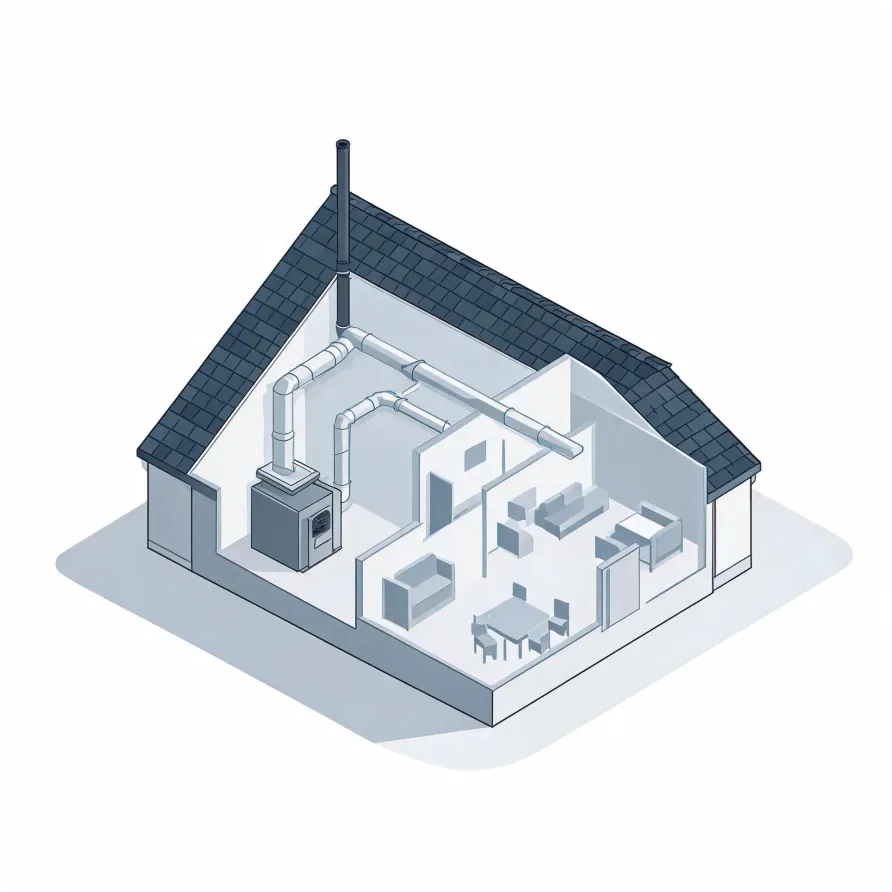
The furnace itself sits in a mechanical room, basement, or utility closet and is the unit that produces heat for the house. Attached directly to it, the air handler moves conditioned air into the duct system. Both pieces arrive as part of the same installation.
The flue or vent pipe runs from the furnace to an exterior wall or through the roof, carrying combustion gases out of the house. The thermostat mounts on an interior wall and gives the homeowner control over when the system runs and at what temperature.
The drawing shows a typical layout, and a licensed contractor determines exactly what applies to your house.
Get matched in Olmsted CountyOlmsted County, by the numbers
230 severe weather events were recorded in Olmsted County, Minnesota between 2015 and 2024.
NOAA National Centers for Environmental Information, Storm Events Database, bulk CSV export, events 2015-01-01 through 2024-12-31.Half the homes in Olmsted County, Minnesota were built in 1989 or earlier (2020-2024 ACS 5-year).
U.S. Census Bureau, 2020-2024 American Community Survey 5-Year EstimatesOlmsted County, Minnesota holds 71,151 housing units (2020-2024 ACS 5-year).
U.S. Census Bureau, 2020-2024 American Community Survey 5-Year EstimatesOwners occupy 70.6% of the occupied homes in Olmsted County, Minnesota (2020-2024 ACS 5-year).
U.S. Census Bureau, 2020-2024 American Community Survey 5-Year EstimatesCodes & Standards Governing Furnace Installation in Olmsted County, Minnesota6 sourced rules and standards
What the Installation Actually Looks Like
Non-weatherized gas furnaces manufactured on or after November 19, 2015 must reach 80.0 percent AFUE.
Non-weatherized oil-fired furnaces manufactured on or after November 19, 2015 must reach 83.0 percent AFUE.
Mobile home gas furnaces manufactured on or after November 19, 2015 must reach 80.0 percent AFUE.
Non-weatherized gas furnaces manufactured on or after December 18, 2028 must reach 95.0 percent AFUE, up from the 80.0 percent minimum that applies to units manufactured before that date.
Licensing Rules for HVAC Work in Olmsted County, Minnesota
Minnesota defines a mechanical contractor as a business that installs, repairs or maintains heating, ventilating, cooling or refrigeration systems — the definition that carries the exemption from the residential contractor licence.
Minnesota's residential contractor licence does not reach HVAC work: the licensing section carries its own exemption list, and a mechanical contractor is exempt from the licence requirement by name.
Severe Weather Events in Olmsted County
Olmsted County weather puts real demand on heating equipment, and how hard a furnace works over its life is shaped by what the climate asks of it year after year. That makes local weather history relevant to any conversation about installation and sizing.
230 severe weather events, 2015–2024. Source: NOAA National Centers for Environmental Information, Storm Events Database.