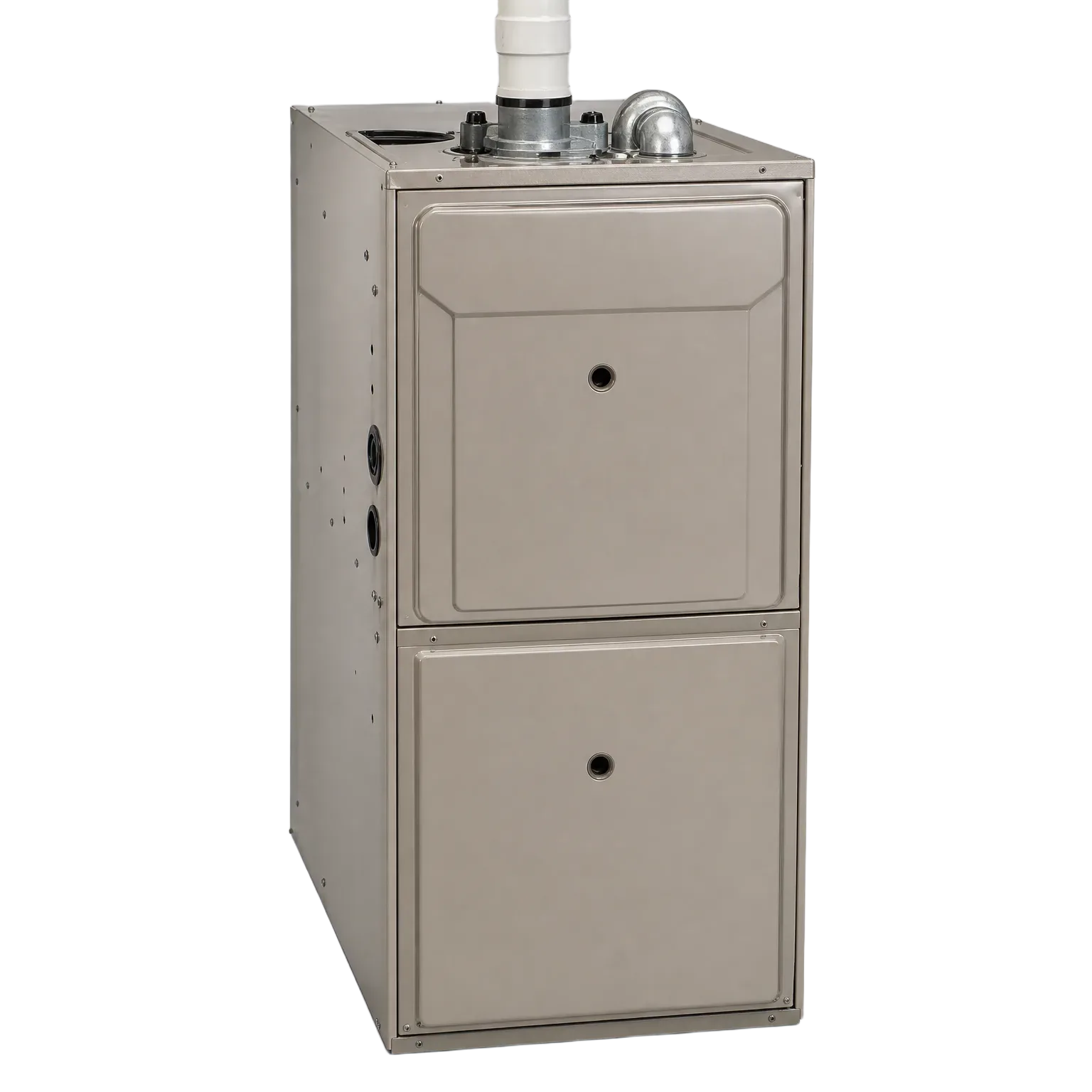
A few degrees off, all night long
When the thermostat reads 68 but the room feels like 62, the furnace is working against something it can't fix on its own. Left alone, that gap doesn't close.

It's running, you can hear it, maybe even feel warm air at a few vents, but the house just won't warm up. With Minnesota nights getting down there, that gap between the furnace working and the house actually feeling warm is the kind of thing you notice by nine at night and can't ignore. Something between the burner and the rooms you're sitting in isn't finishing the job.
A furnace that runs without warming the house is usually failing partway through the job, not at the start. A clogged filter or blocked return can choke the airflow enough that heat never makes it past the first few rooms. A cracked heat exchanger, a dirty flame sensor, or a failing igniter can let the burner fire weak or short-cycle so it never builds up real heat. Ductwork that's come loose or a blower running at the wrong speed will do the same thing. With Minnesota winters pulling heat out of a house fast, any one of these shows up quicker and harder than it would somewhere milder. The furnace running isn't proof it's working right, and a system that's limping along now usually gets worse, not better, as temperatures keep dropping.




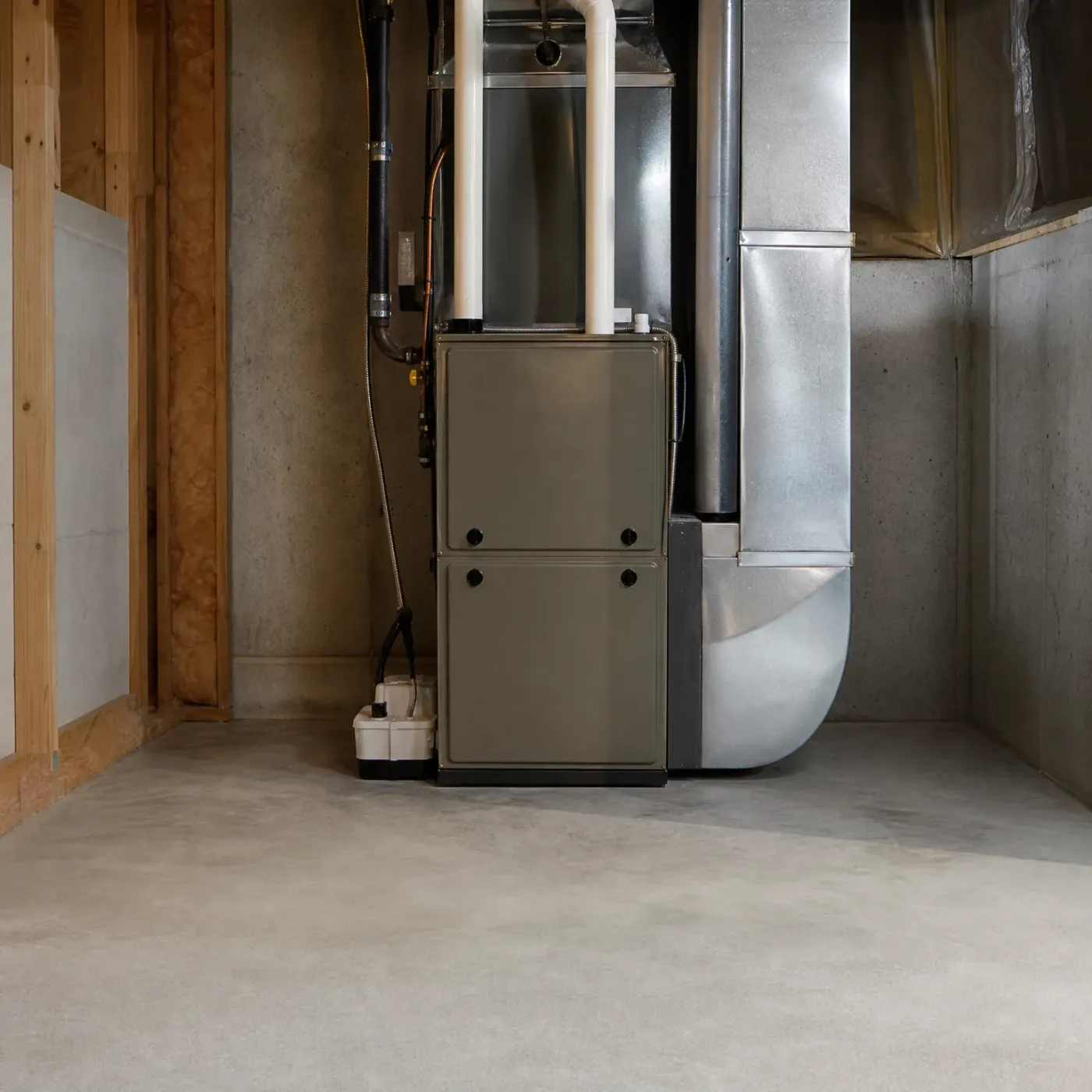
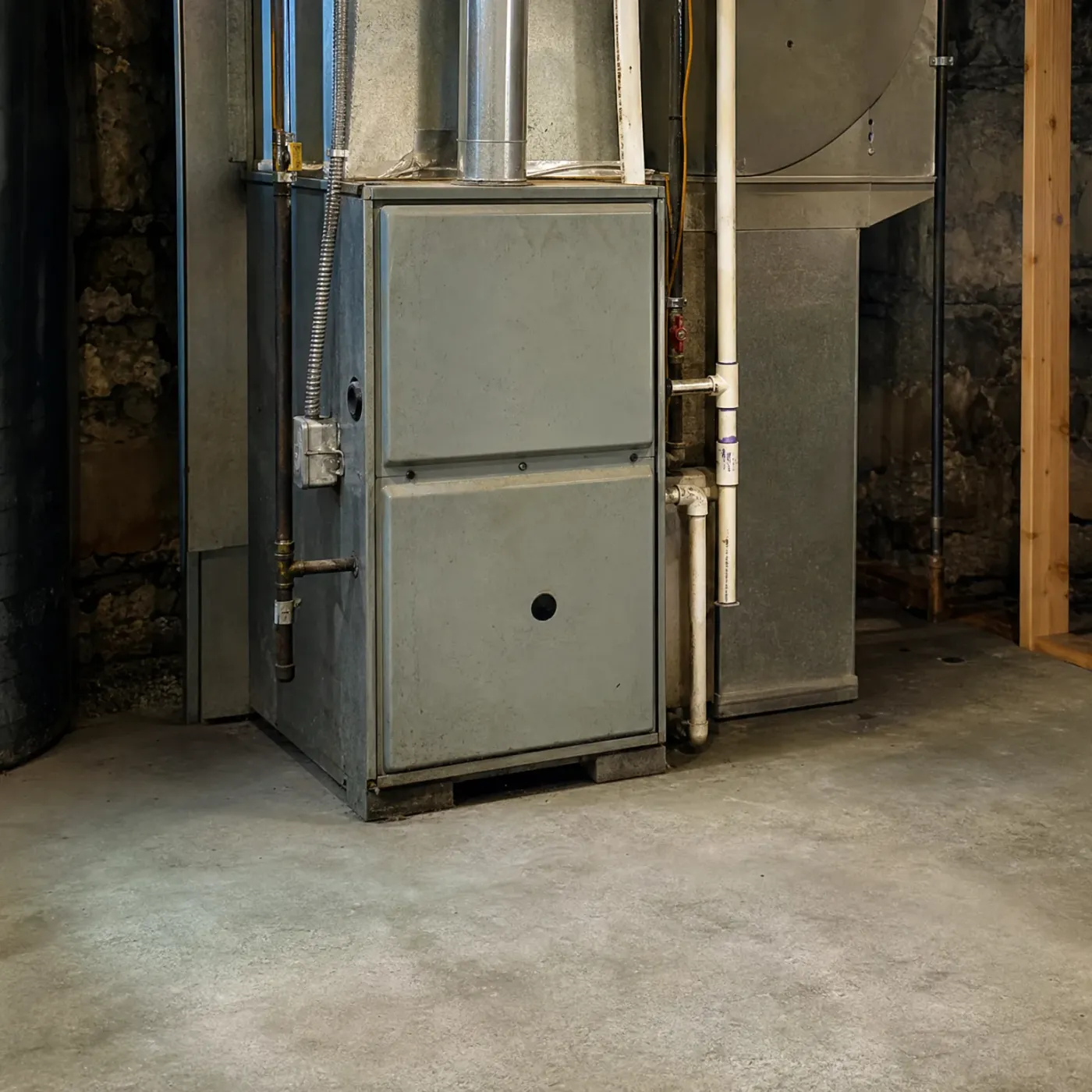
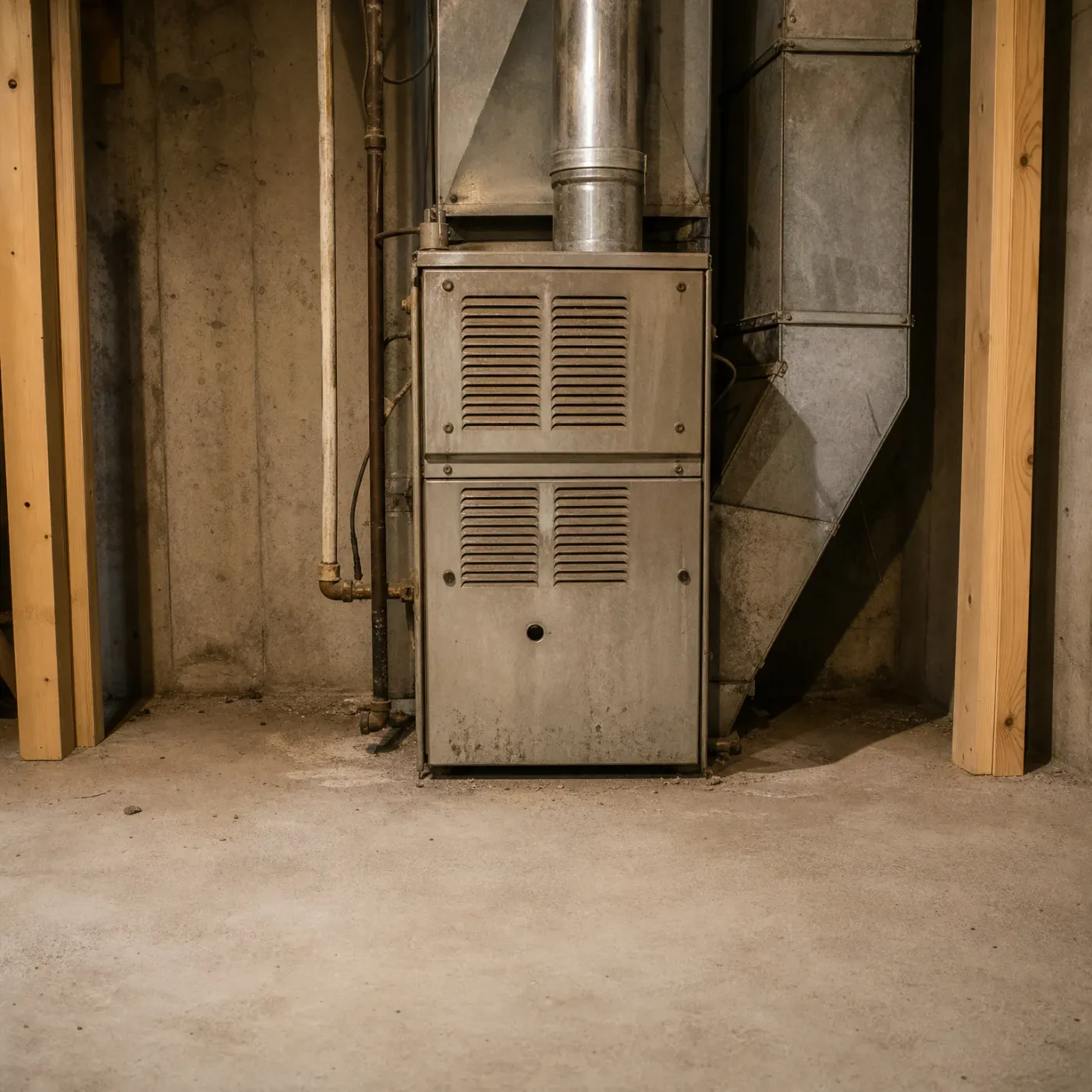
A furnace that runs constantly and a furnace that heats the house are not the same thing. The burners can be lit, the blower can be moving air, and the house can still lose the fight against a Minnesota cold snap. Size is often where this starts. A furnace that's too big for the house heats the air near the thermostat fast, shuts off, and never gets a full cycle through the ductwork to the far rooms. A furnace that's too small just runs and runs, falling further behind as the temperature drops outside. Airflow matters as much as heat output. A dirty filter chokes the blower, so the furnace can be producing plenty of heat that never makes it past the first few feet of duct. Closed vents in a spare room or basement push more air than the system was balanced for into fewer rooms, and the ones left open can't keep up. Ductwork hidden in an attic or crawlspace can be leaking warm air out before it ever reaches a register, which is hard to catch because nothing looks wrong at the furnace itself. And a blower motor losing strength, or a capacitor that's going weak, moves air slower than the furnace is built to push it, so heat piles up at the unit instead of reaching the rooms that need it.
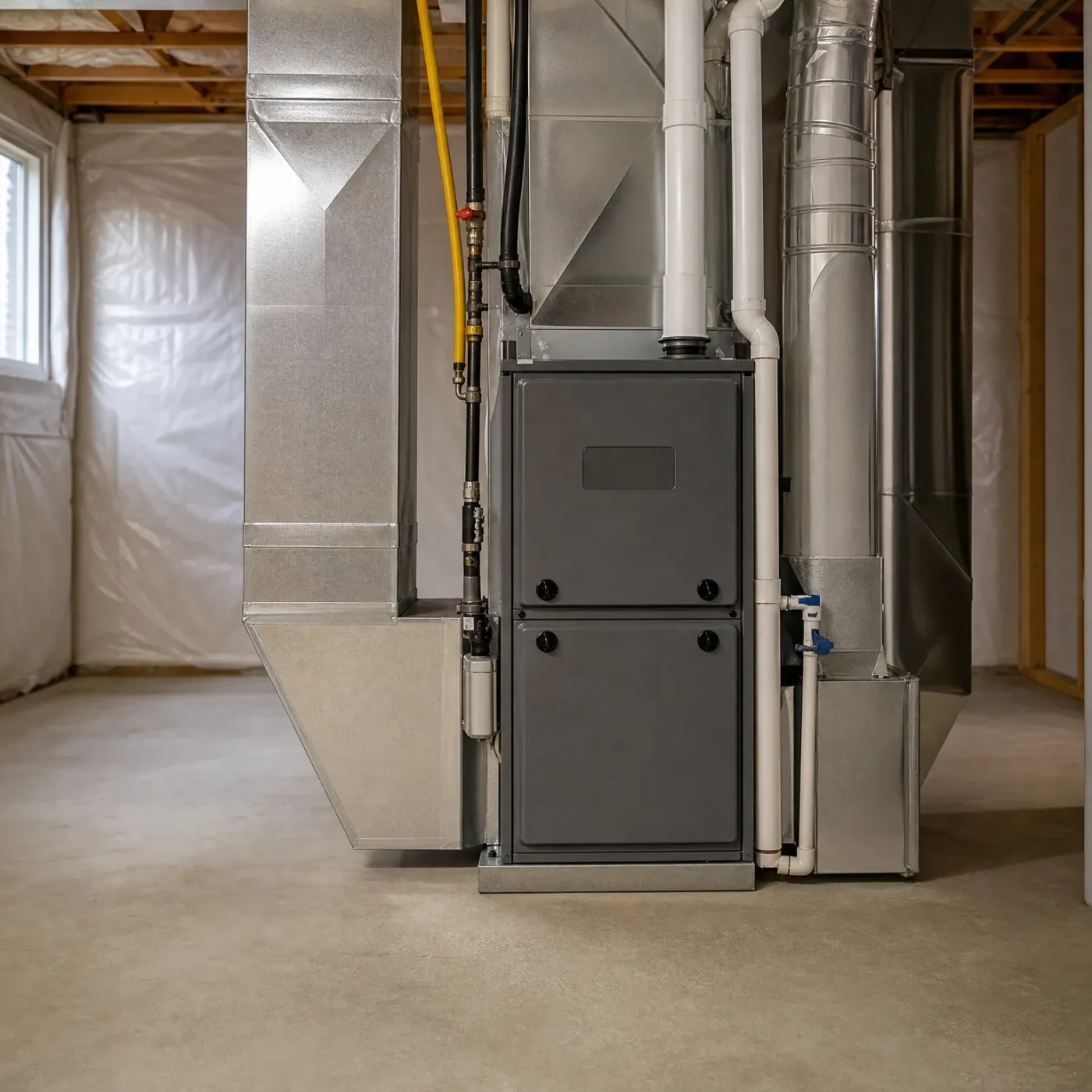
Explain the job once and skip repeating it on every call.
You only hire the pro if you want to.
A furnace that shuts off after three or four minutes never finishes a full heating cycle. The blower needs time to push warm air past the thermostat sensor and into every room, and a short cycle cuts that off early. So the furnace fires again a few minutes later, and again, running far more often than a correctly sized unit would. Each start draws more wear on the igniter and the blower motor than a normal run does. Over a winter in Minnesota, that adds up to real strain on parts that were only built to start and stop so many times.
A dirty filter does not just dirty the air. It blocks the blower from pulling enough air across the heat exchanger, so the furnace runs longer to push out less heat. Manufacturers generally call for a filter change every one to three months, and in a Minnesota winter, when the furnace is running most hours of the day, that schedule matters more than it does in October. A filter that looks fine at a glance can still be restricting airflow enough to leave rooms cold while the furnace keeps running.


When the thermostat reads 68 but the room feels like 62, the furnace is working against something it can't fix on its own. Left alone, that gap doesn't close.
Once the cause is found and fixed, the furnace stops fighting itself. Warm air reaches the far bedrooms, the thermostat matches what you feel, and it stays that way.

The room over the garage stays cold no matter what the thermostat says. The basement gets damp. You start closing the vents in rooms nobody uses, hoping that pushes more air where you need it, and the furnace just works harder for the same cold floors. Meanwhile the gas bill climbs because a furnace that never finishes a cycle never gets credit for the fuel it burns.
You could spend your evening calling three contractors, describing the same cold bedroom three times, and waiting on quotes that come back a week apart. Or you could send one form and let someone else carry that part. The house doesn't fix itself while you wait, but finding the person who can fix it stops being something you have to manage.

At 8 below overnight, your furnace can't just hold 68, it has to keep fighting that cold the whole night. If it's already running long or short cycling, those nights are when the house falls behind and stays cold till morning.
NOAA nClimDiv 1991-2020 county normals weighted by homes
A furnace that runs without warming the house has a reason behind it, a short cycle, a blocked register, a filter choking the blower, and that reason doesn't fix itself once the cold settles in for the night. You don't need to figure out which one it is. You need someone who can look at the furnace and tell you, then fix it. Right now that probably means searching for a contractor who's free this week, calling a few, explaining the same thing about the cold room and the weak air three separate times, then waiting on quotes to compare. Send the form instead and that work is off your plate. You already know what the house feels like at 68 that doesn't feel like 68. The furnace running isn't the same as the furnace working, and the fix is a repair, not a guess from across the room.
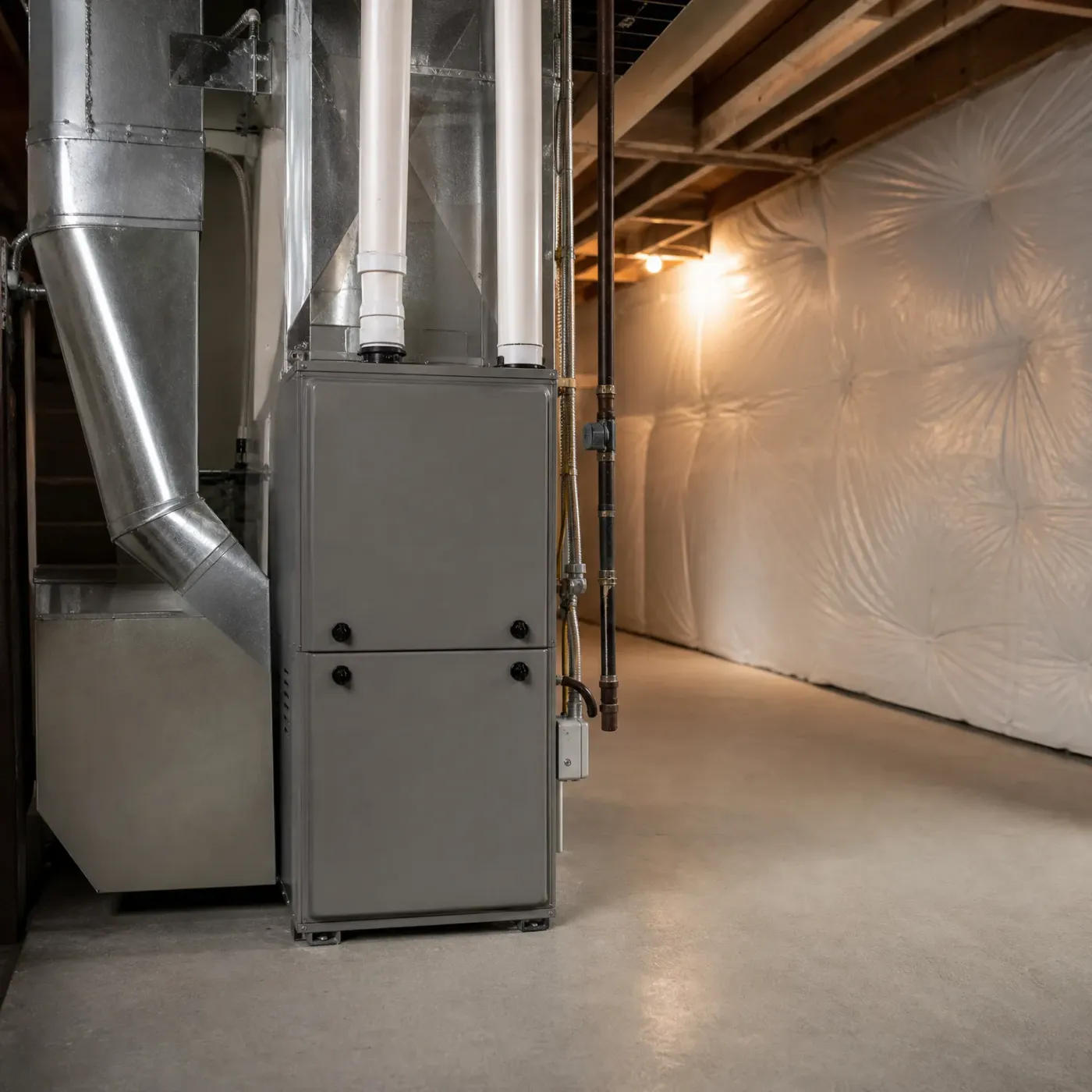
One form replaces the calls you'd make to find a furnace pro.
No fee to send it, and nothing to sign.