Tell us about the job
Takes about a minute. No obligation.
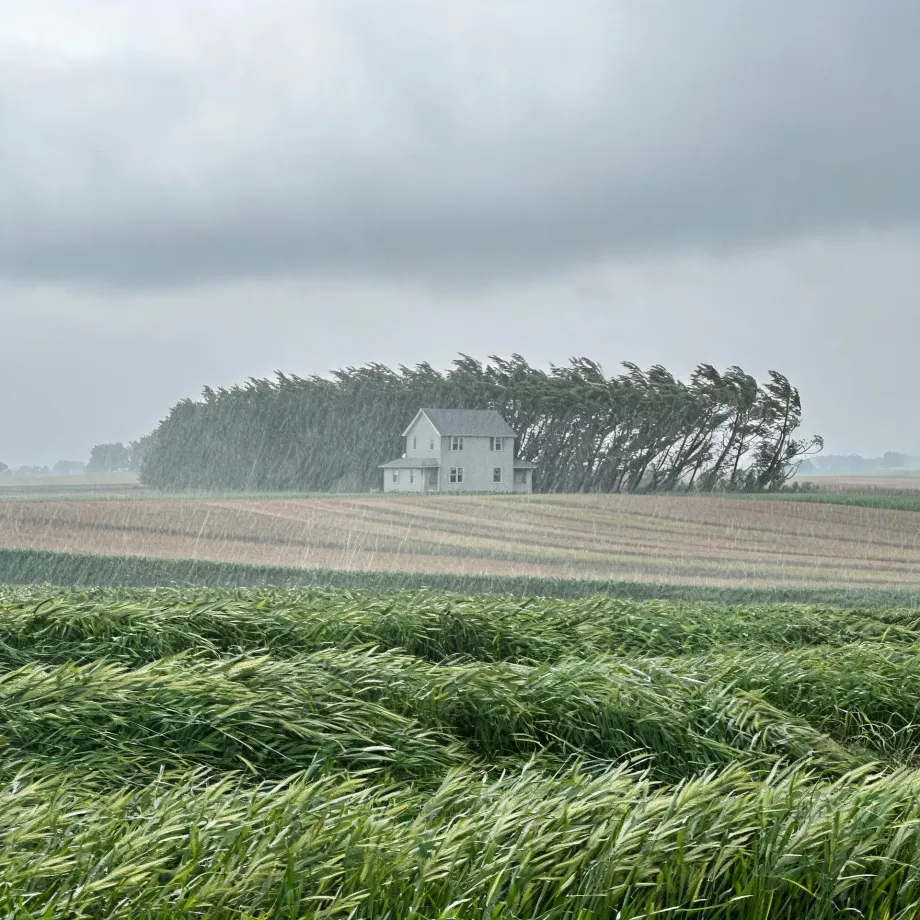
A furnace repair quote in Polk County starts with what the system has already been through. 353 severe weather events were recorded in Polk County, Minnesota between 2015 and 2024. At that rate, severe weather is a standing condition for equipment here, and heat exchangers, pressure switches, and draft inducers carry most of that load. A contractor working a repair in this area looks at those components before anything else, because accumulated stress shows up there first, in cracks, failed seals, and motors that have cycled too many times against hard conditions.
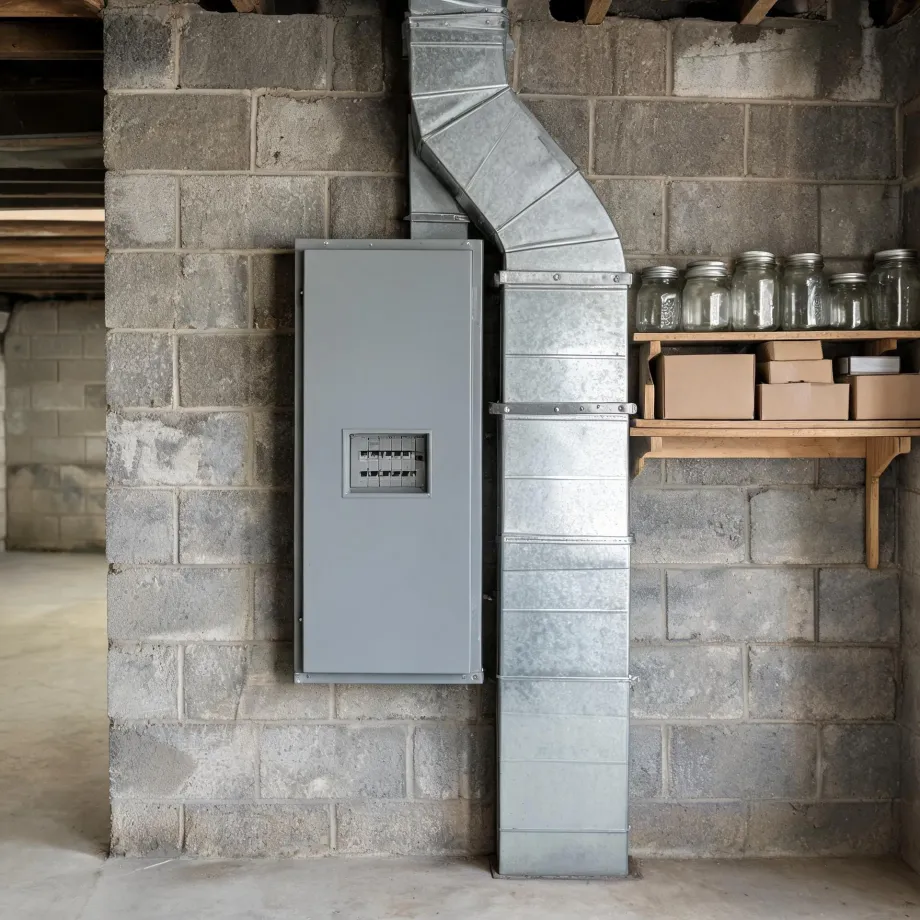
Furnace parts for systems installed in houses this old sit at the edge of what manufacturers still produce, and a repair that looks straightforward from the outside sometimes stalls on a heat exchanger or control board that has been out of production for years. Half the homes in Polk County, Minnesota were built in 1971 or earlier (2020-2024 ACS 5-year). A contractor opening a furnace in Polk County has to confirm what generation of components is inside before a repair scope takes shape, because the answer decides whether the fix is a parts order or a different conversation entirely.
The Parts of a Furnace a Contractor Checks First
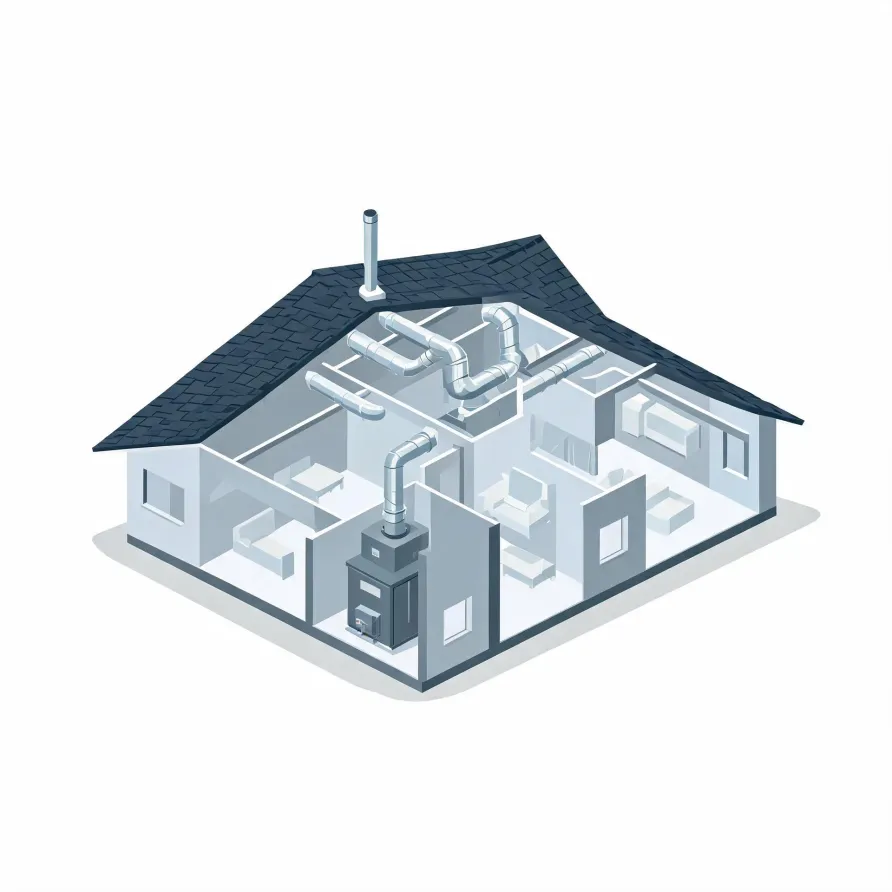
The furnace itself sits in the basement, utility room, or closet and is the piece a contractor goes to first. Inside it, the heat exchanger and the burners are the parts most likely to be the source of a problem. A cracked heat exchanger, a dirty or failed burner, or a faulty igniter will each stop the furnace from producing heat in a different way.
The blower motor pushes conditioned air out through the supply side of the house and sits inside the furnace cabinet. The flue pipe runs from the furnace to an exterior wall or chimney and carries combustion gases out. The thermostat on the wall controls when the furnace fires, and a wiring or sensor fault there can look exactly like a furnace failure.
The drawing shows a general layout of these components, and a licensed contractor determines what applies to the specific setup in your house.
Get matched in Polk CountyPolk County by the Numbers
353 severe weather events were recorded in Polk County, Minnesota between 2015 and 2024.
NOAA National Centers for Environmental Information, Storm Events Database, bulk CSV export, events 2015-01-01 through 2024-12-31.Half the homes in Polk County, Minnesota were built in 1971 or earlier (2020-2024 ACS 5-year).
U.S. Census Bureau, 2020-2024 American Community Survey 5-Year EstimatesPolk County, Minnesota holds 14,697 housing units (2020-2024 ACS 5-year).
U.S. Census Bureau, 2020-2024 American Community Survey 5-Year EstimatesOwners occupy 71.3% of the occupied homes in Polk County, Minnesota (2020-2024 ACS 5-year).
U.S. Census Bureau, 2020-2024 American Community Survey 5-Year EstimatesCodes & Standards for Furnace Repair in Polk County, Minnesota6 rules & citations
What Happens When a Contractor Comes Out
Non-weatherized gas furnaces manufactured on or after November 19, 2015 must reach 80.0 percent AFUE.
Non-weatherized oil-fired furnaces manufactured on or after November 19, 2015 must reach 83.0 percent AFUE.
Mobile home gas furnaces manufactured on or after November 19, 2015 must reach 80.0 percent AFUE.
Non-weatherized gas furnaces manufactured on or after December 18, 2028 must reach 95.0 percent AFUE, up from the 80.0 percent minimum that applies to units manufactured before that date.
What Polk County, Minnesota Requires for HVAC Repair Work
Minnesota defines a mechanical contractor as a business that installs, repairs or maintains heating, ventilating, cooling or refrigeration systems — the definition that carries the exemption from the residential contractor licence.
Minnesota's residential contractor licence does not reach HVAC work: the licensing section carries its own exemption list, and a mechanical contractor is exempt from the licence requirement by name.
Severe Weather Events in Polk County
Polk County weather puts real hours on heating equipment. When conditions run to extremes, furnaces work harder and wear faster, which is why local repair demand follows the local climate.
353 severe weather events, 2015–2024. Source: NOAA National Centers for Environmental Information, Storm Events Database.