








Furnace Pros MN

How often to change your furnace filter in Minnesota

One request and finding someone for the tune-up is handled.

Hand it off

How often should I change my furnace filter in Minnesota?

Your furnace runs long and hard once the cold sets in, and the filter is doing a lot of work behind that vent cover. You're not trying to overdo it, just trying to land on a schedule that actually fits how much that system runs here instead of some sticker number that assumes a mild climate.

Every 1 to 3 months, more often in the coldest stretch

A basic pleated filter needs changing every 1 to 3 months, and in Minnesota that means checking it closer to monthly from December through February. The furnace runs almost nonstop through those weeks, and a filter loaded with dust chokes airflow across the heat exchanger, which makes the system work harder to push warm air through the house. A dirty filter also lets the blower run longer to move the same amount of air, which shows up on the gas and electric bill. Once the coldest stretch passes and the furnace cycles less, you can stretch the interval back toward the 3 month mark. Pull the filter and hold it to a light. If you can't see through it, it's done.

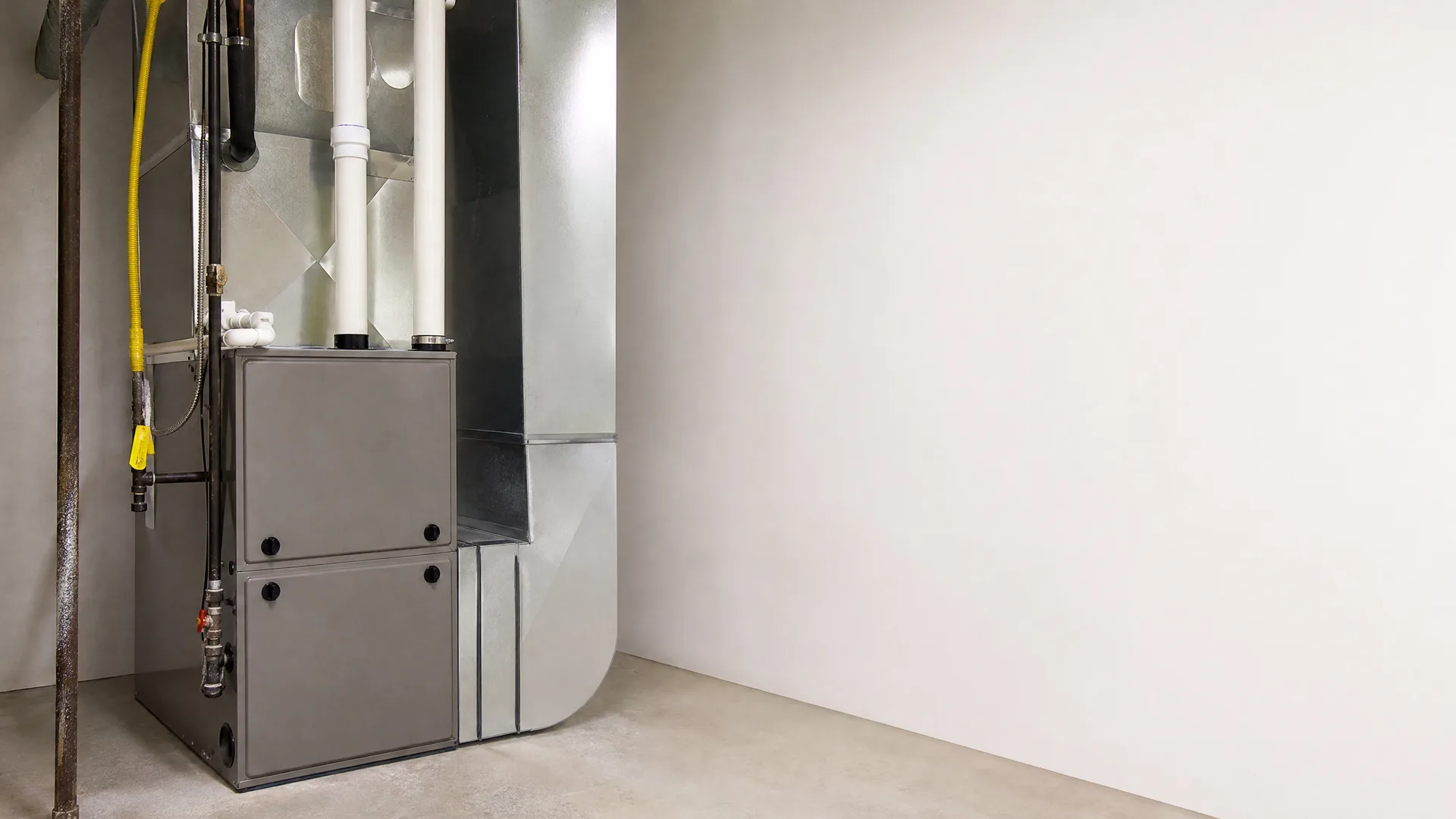
A gas furnace with two gray access panels stands against a plain wall in a basement, connected to sheet-metal ductwork, white PVC vent pipes, and a yellow gas line.

What a clogged filter does

A dirty filter doesn't stop air, it just makes the blower work harder to pull air through it. That strain shows up on your electric bill even though you heat with gas, since the blower motor runs on electricity. Airflow drops, the burner still fires, and the heat exchanger can run hotter than it should. Some furnaces will trip a limit switch and shut down rather than keep running starved for air. Either way, the filter is the part to check first.

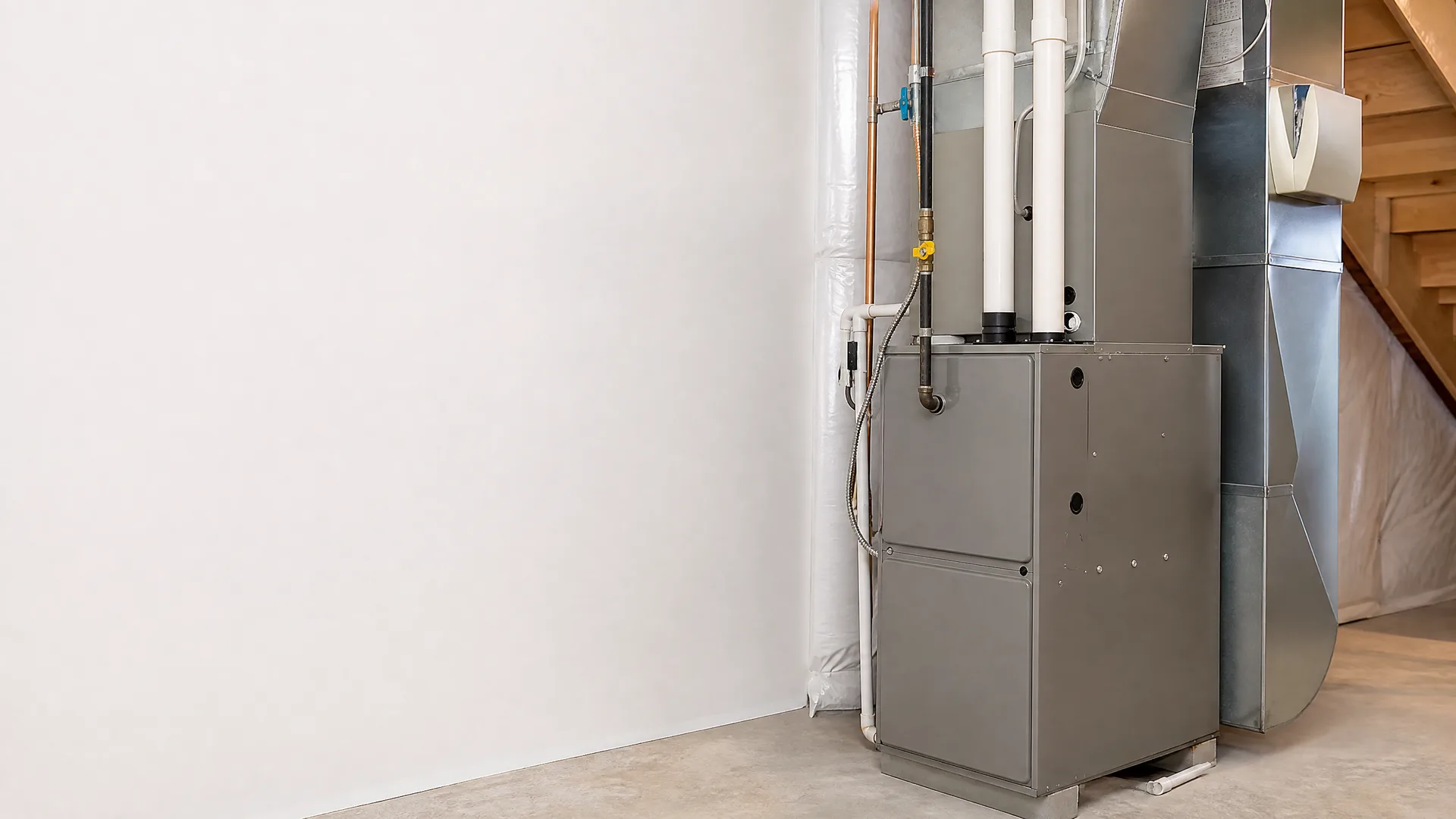
A gray high-efficiency furnace in a basement corner with white PVC vent pipes, copper and black gas piping, and sheet-metal ductwork beside a plain white wall and wooden stair framing.

Why winter changes the math

A furnace that only kicks on for ten minutes an hour isn't loading up a filter the same way one running most of the day is. Once temperatures drop and the furnace is running long cycles for weeks at a stretch, the same filter collects dirt faster than it did in October. A 1-inch filter that lasted eight weeks in fall might need swapping closer to five or six weeks in January. Pull it out and hold it to a light. If you can't see light through it, it's done its job and needs to come out.

1-Inch vs Thicker Furnace Filters

1-inch filter

  • A 1-inch filter is the standard size in most furnace cabinets, and it needs changing about every 30 to 60 days once the furnace is running daily.
  • It has less surface area, so it clogs faster, especially with pets or a house that stays closed up through a Minnesota winter.
  • You'll find these at any hardware store, and the low cost makes it easy to check it monthly without feeling like a chore.
  • Because it's thin, a clogged one restricts airflow quickly, so the blower strain shows up sooner than with a thicker filter.
  • Marking a date on the frame with a marker helps, since a month goes by fast once you're not thinking about the furnace.

4-inch or 5-inch filter

  • A thicker media filter, often installed as part of the furnace or added to the ductwork, usually lasts 6 to 12 months before it needs swapping.
  • The larger surface area holds more dust before airflow suffers, which matters during the stretch from October through March when the furnace barely shuts off.
  • It costs more per filter, but you're buying one or two a year instead of six or more.
  • Not every furnace has room for one, so whether you can use this size depends on how your system was set up when it was installed.
  • Checking it partway through winter is still worth doing, since a heavy dust year or a shedding dog can shorten how long it actually holds up.
A smiling bearded man in a dark green hooded jacket and blue t-shirt sits on a couch in a living room with shelves, a potted plant, and a bowl of popcorn on a wooden table.
A smiling man in a green long-sleeved shirt sits on a beige sofa in a living room, with a bowl of popcorn in the foreground, a large potted plant and shelving behind him.
A smiling man in a dark blue T-shirt sits on a couch in a dimly lit living room with a bowl of popcorn and a remote on a wooden table, a lit floor lamp and bookshelves behind him, and windows showing greenery.
A smiling bearded man in a dark green long-sleeved shirt sits on a leather couch in a living room, with a bowl of popcorn and a remote control on a wooden table in the foreground.

It's off your list after this

A filter that's overdue doesn't announce itself. The furnace keeps running, the house stays warm, and the only sign is a slow climb in the electric bill and a blower that's working harder than it should through January and February. By the time you notice, you've likely gone a cycle or two past when that filter should have come out. If you're not sure what size is behind your cabinet door, or whether the one in there now is even the right one, that's worth a look before the cold really sets in. A furnace tech who works in Minnesota homes all winter sees the same filters, the same cabinets, and the same wear every season, and knows what a neglected one does to a blower motor over time. Sending the request means one local contractor gets your information, not a handful of them calling at once, and the job of finding someone stops being something you have to chase down yourself.

How the filter actually works

  • Cold air coming back to the furnace passes through the filter before it ever reaches the heat exchanger.
  • The blower pulls that air through the filter on its way to the burners, not after the air is already heated.
  • A filter traps dust and pet hair in its fibers, and the gaps between fibers shrink as more gets caught.
  • Static pressure builds across the filter as it loads up, and the blower has to work against that pressure to move the same amount of air.
  • The furnace doesn't sense a clogged filter directly, it just runs longer to satisfy the thermostat as airflow drops.
  • Furnace filters are rated by MERV, and a higher MERV number means finer filtering but also more resistance to airflow.

Air comes back to your furnace through the return duct, and the filter sits right in that path before the air ever reaches the heat exchanger. The blower is what pulls it through there. That's the part people miss: the filter isn't catching exhaust or cleaning heated air, it's catching whatever is in the house air on its way in, before the burners ever touch it. Dust, pet hair, whatever's floating in the house, all of it has to pass through that filter first. Every fiber in a new filter has gaps between it, and those gaps are what let air through while catching the bigger particles. As more gets trapped, the gaps get smaller, and the same blower has to push harder to move the same volume of air through a tighter mesh. That resistance has a name, static pressure, and it climbs steadily as the filter loads up. Your furnace has no way to measure that directly. It doesn't know the filter is dirty. All it knows is the house isn't hitting the temperature on the thermostat yet, so it keeps the burners firing and the blower running longer to make up for the airflow it's lost. The MERV rating on the filter box tells you how fine that mesh is to begin with. A higher number catches smaller particles, but it also starts out with more resistance built in, which matters when you're picking a replacement, not just when you're deciding how often to swap it.

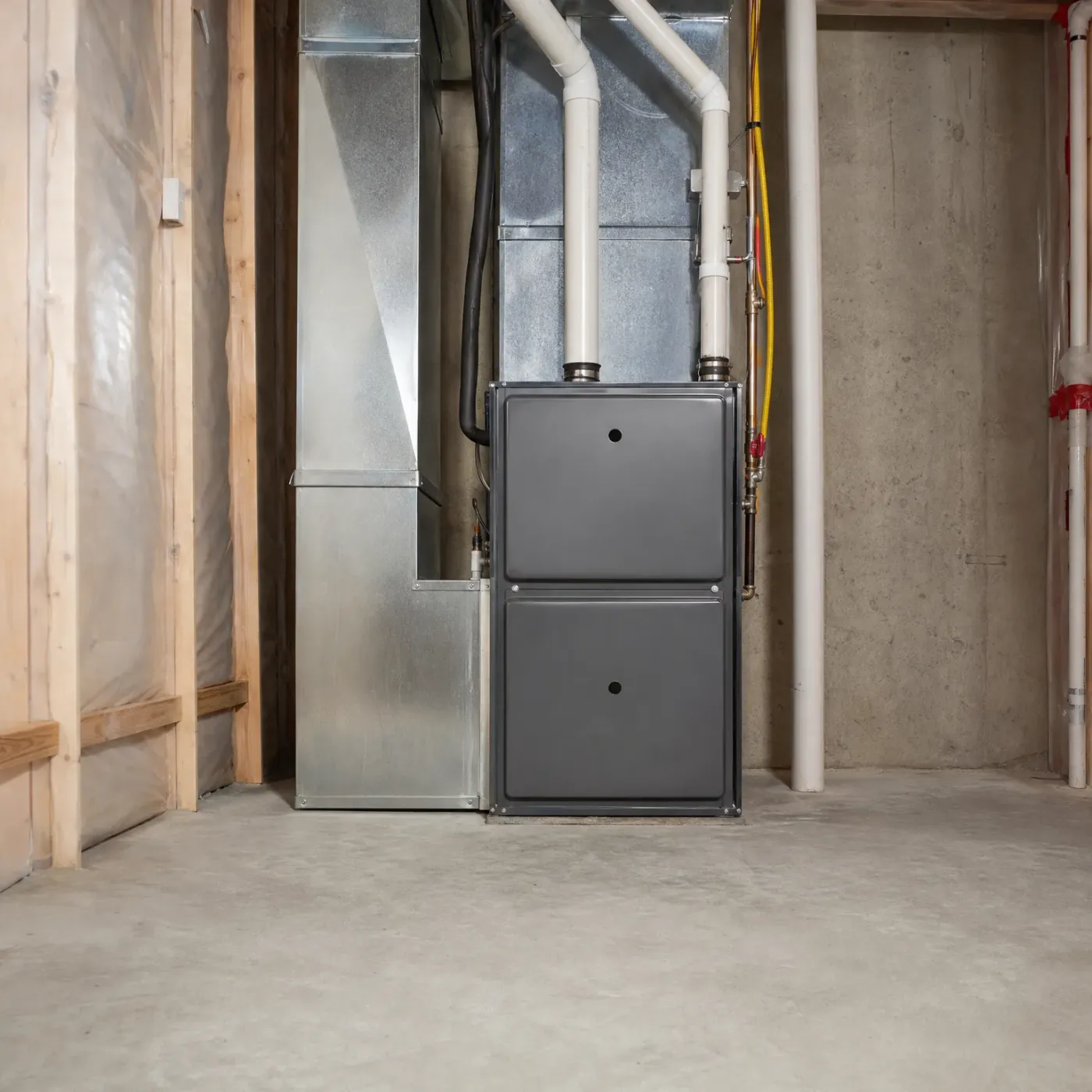
A gray high-efficiency furnace with two PVC vent pipes stands in an unfinished basement beside sheet-metal ductwork, a framed and plastic-covered wall, and a bare concrete wall with vertical pipes.
A clean filter lets the furnace pull air through it without strain, so the burners and heat exchanger get steady airflow all winter.
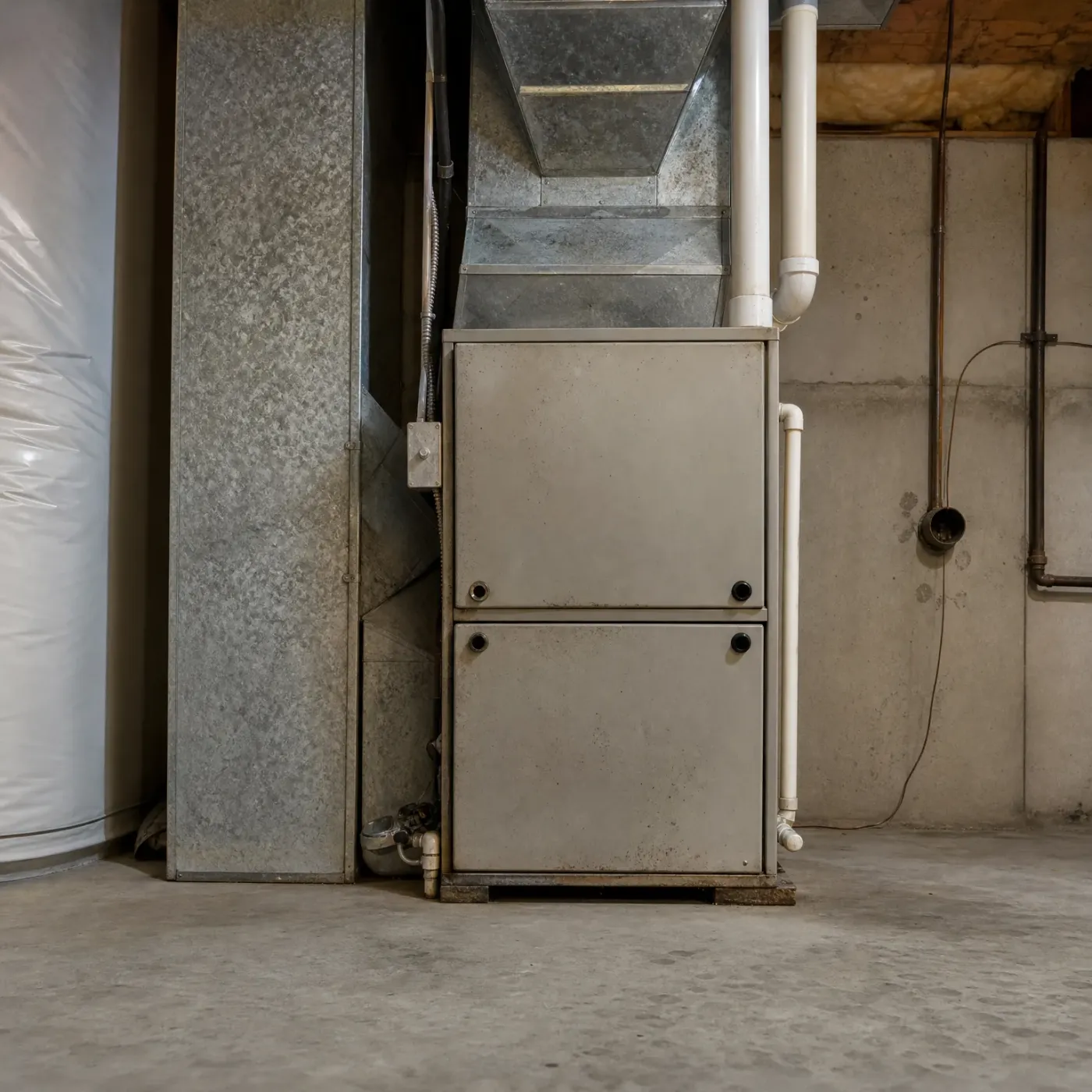
A gray furnace cabinet in a basement, connected to galvanized sheet-metal ductwork and white PVC pipes, against a concrete wall with exposed metal piping and insulation overhead.
A clogged filter starves the furnace of air, and that pallet-mounted unit will push the blower harder until something gives out.
  1. Cold air from the house returns to the furnace through the ducts.

  2. That return air passes through the filter before it reaches the blower.

  3. The filter catches dust and pet hair as air moves through it.

  4. The blower pulls the cleaned air across the heat exchanger.

A woman with dark hair in a bun reclines on a sofa with her eyes closed, wrapped in a cream fleece blanket, a closed blue hardcover book resting in front of her, with a lit lamp and a vase of dried flowers in the background.
A smiling bearded man in a navy sweater sits at a candlelit dinner table with a glass of red wine, a bowl of salad, and plates of food in the foreground.

Winter nights average 8°F statewide

An 8°F night means your furnace isn't cycling off much. It's pulling return air through that filter for hours at a stretch, not in short bursts. A filter working that steadily earns its check more than once a season.

NOAA nClimDiv 1991-2020 county normals weighted by homes

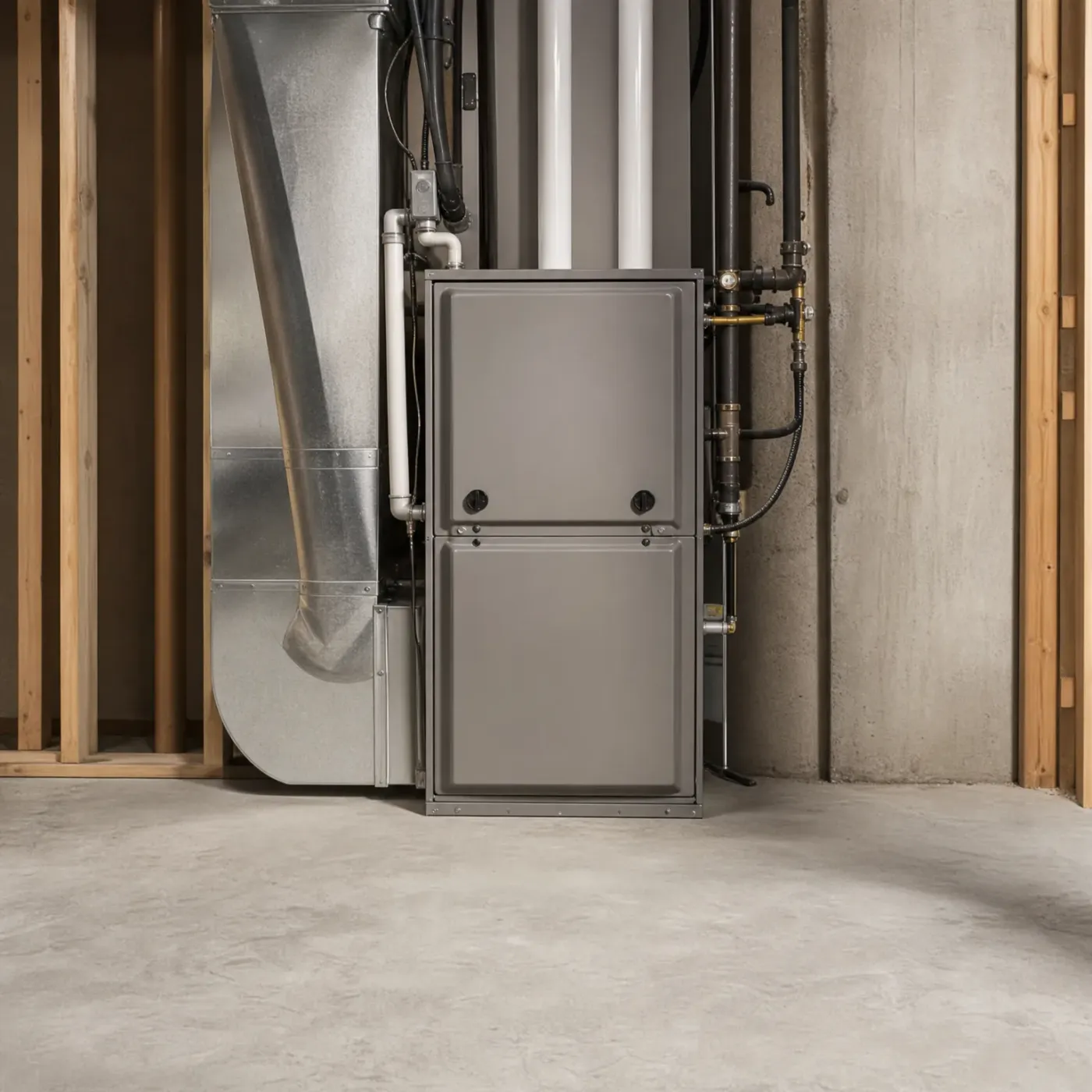
A gray furnace cabinet in a basement with sheet-metal ductwork, white PVC vent pipes, and black gas piping against a concrete wall and wood-framed partition on a bare concrete floor.

Filter on schedule

Air moves through the duct and into the furnace without a fight. The blower pulls a steady draw across the heat exchanger, the burners get the air they need, and the cabinet stays clean around the connections. Nothing in that basement is working harder than it has to.
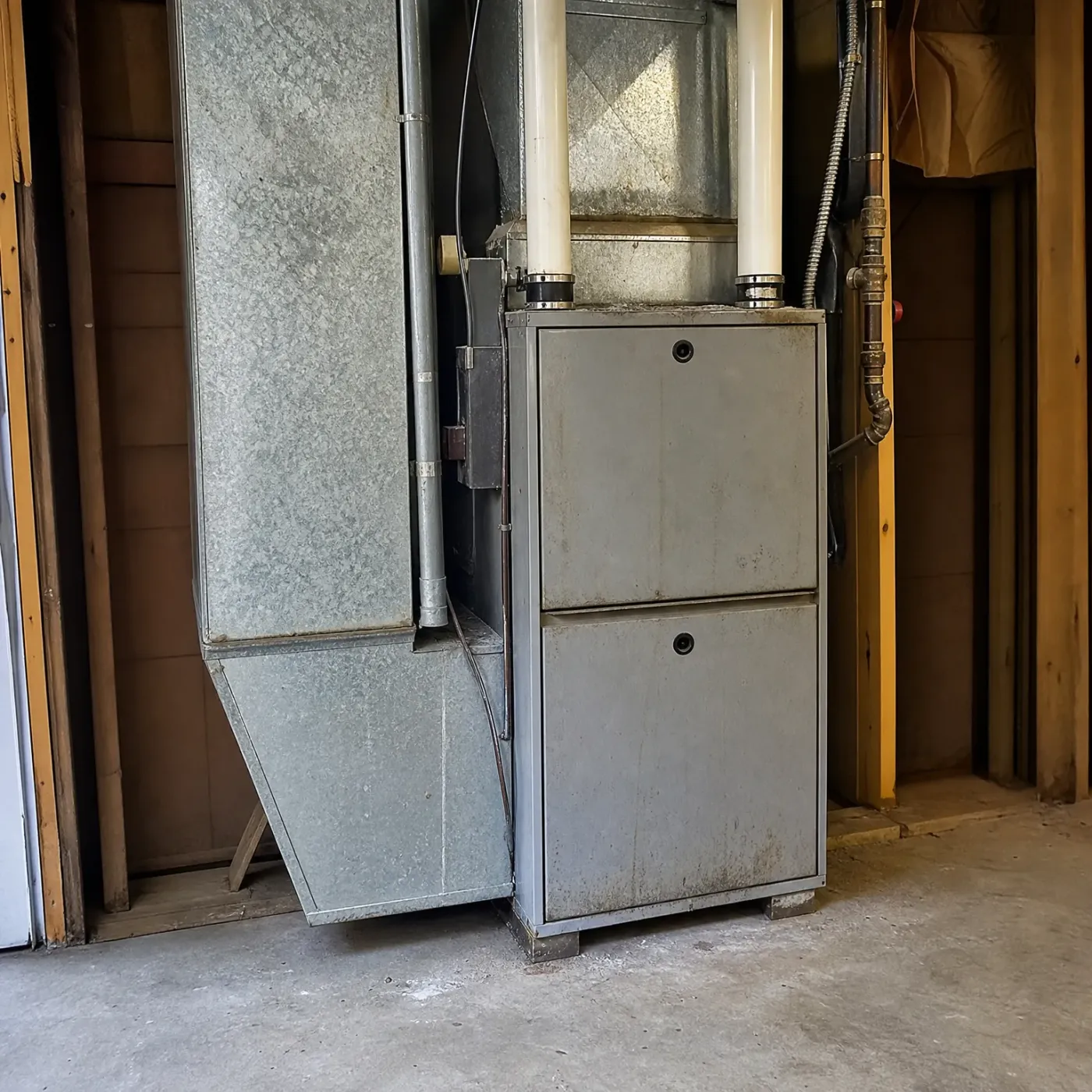
A gray metal furnace with two white PVC vent pipes stands on a concrete floor beside galvanized sheet-metal ductwork in a basement or utility space with wood framing.

Filter left too long

Rust like this doesn't come from the furnace's age alone. A clogged filter starves the unit of air, so the blower strains and the cabinet runs hotter than it should, season after season. Those white PVC pipes mean this furnace is efficient by design, but a dirty filter still wears on it the same way.

A 1-inch filter checked every month and swapped by the 60-day mark, or a pleated filter changed on a longer stretch, is really all this comes down to. Minnesota winters give your furnace months of steady, hard running, and a filter that stays ahead of that keeps the blower from working harder than it has to. You know your house, your pets, whether anyone's rebuilding a deck in the garage this year, and that's enough to pick the right number on the schedule. If the furnace is already straining or you'd rather have someone who services this equipment all winter take a look, the request connects you with one licensed contractor working in your area, not a handful of companies competing for the job. That's someone who sees these furnaces every week once the cold hits and knows what tends to fail first when a filter's been ignored too long. You're not starting over with someone new. You're handing it to the person who already knows this work.

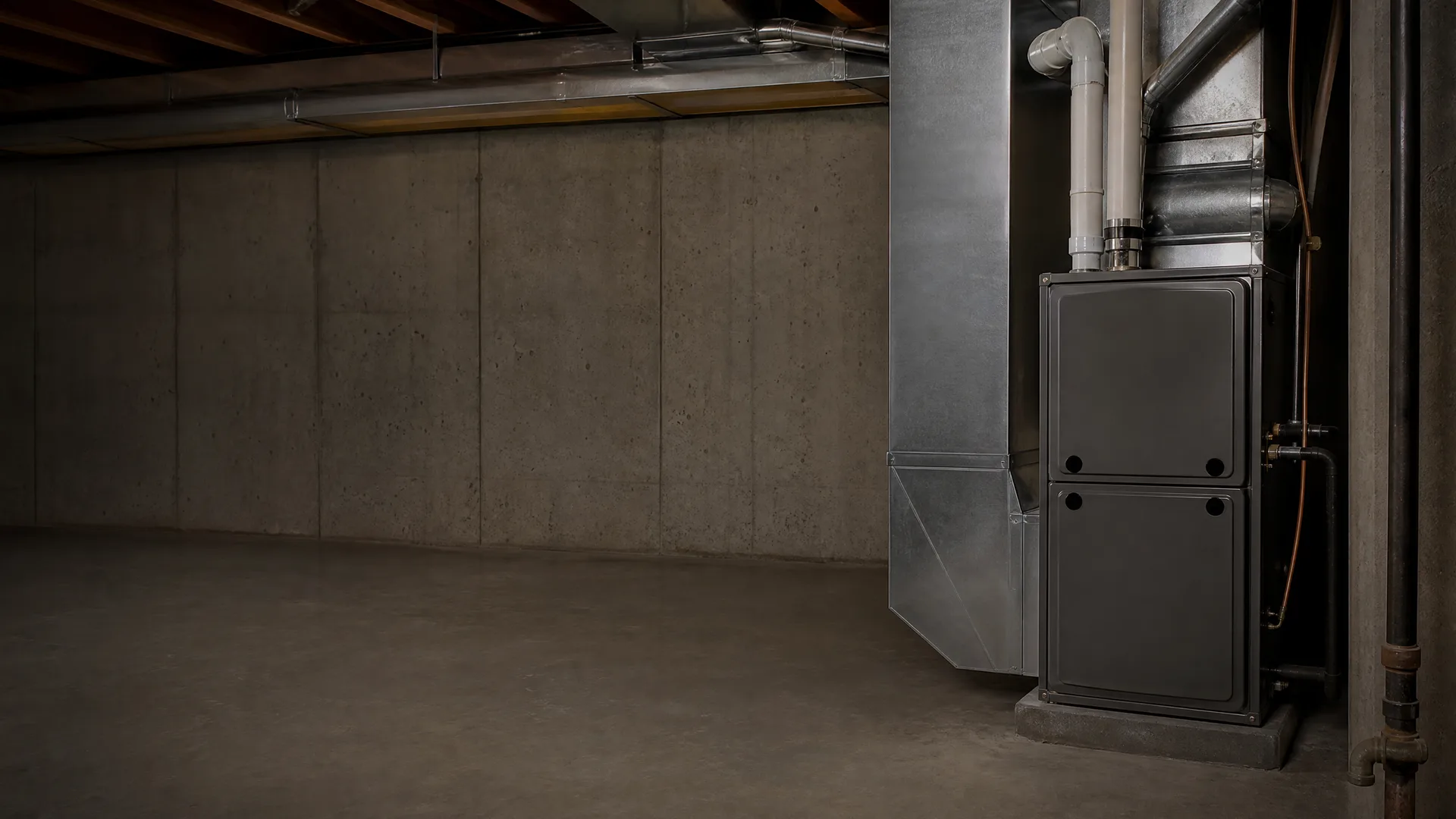
An empty basement with bare concrete walls and floor, exposed wooden joists and pipes overhead, and a dark furnace with sheet-metal ductwork and vent pipes in the right corner.

Stop chasing a furnace pro

The pro who reaches out is licensed in Minnesota.

Step 1 of 3: Equipment