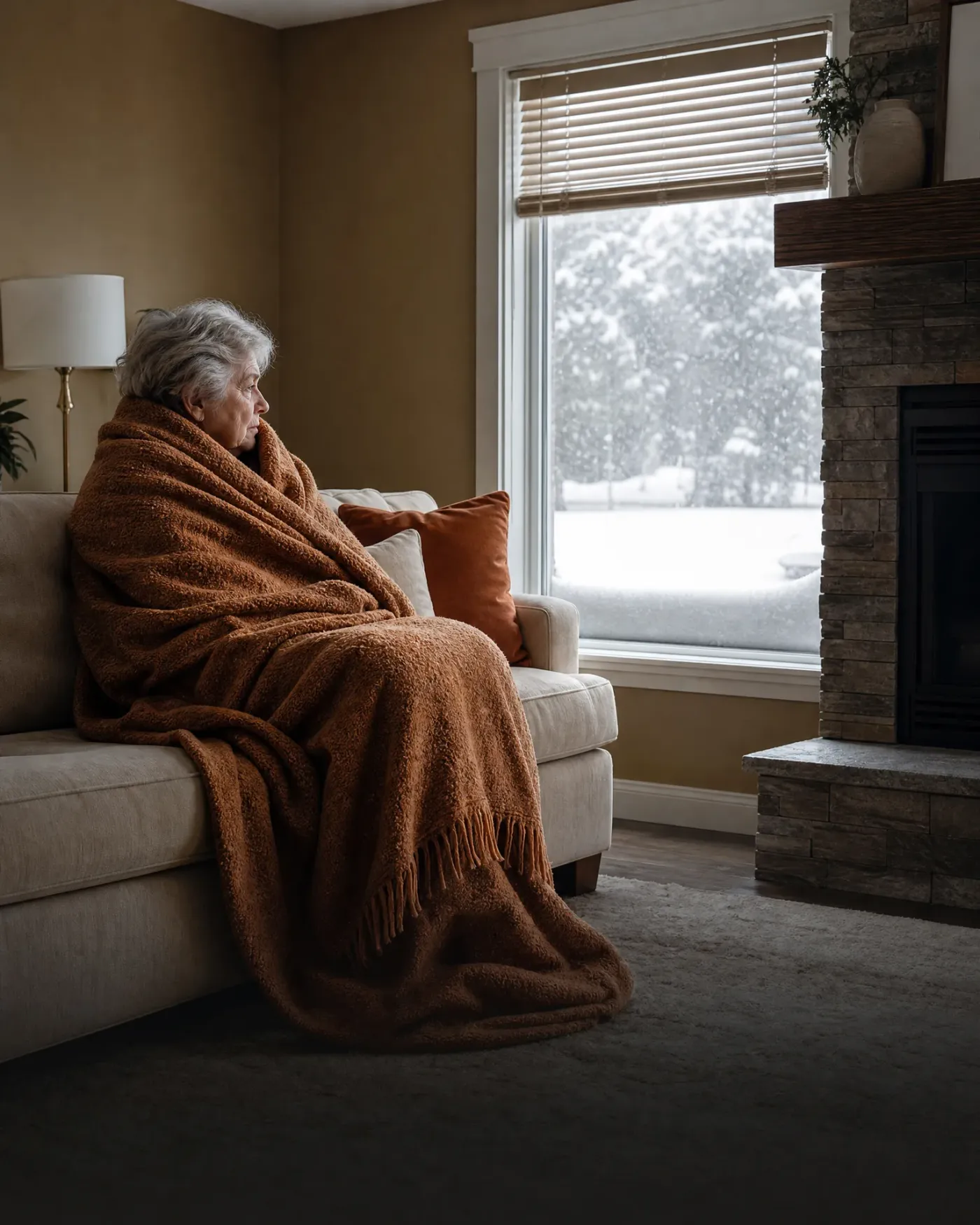
Keep running it
The furnace keeps heating the house, but any exhaust leaking into the airflow keeps moving through the ducts and into every room, day after day.
A cracked heat exchanger shows up as a strange smell, headaches when the furnace runs, soot around the cabinet, or a yellow flame flickering where it should burn steady and blue. Your furnace runs most of the day through a Minnesota winter, and all that cycling makes the metal expand and contract until a seam gives out. Once it cracks, combustion gas can leak into the air moving through your ducts instead of going out the flue. That is why this matters more than a worn-out part would. The furnace should not keep running until someone checks it. A furnace that short-cycles, or carbon monoxide alarms that go off with no other explanation, point the same direction. None of these signs are something to wait out, especially with a house full of people counting on heat that is safe to breathe.
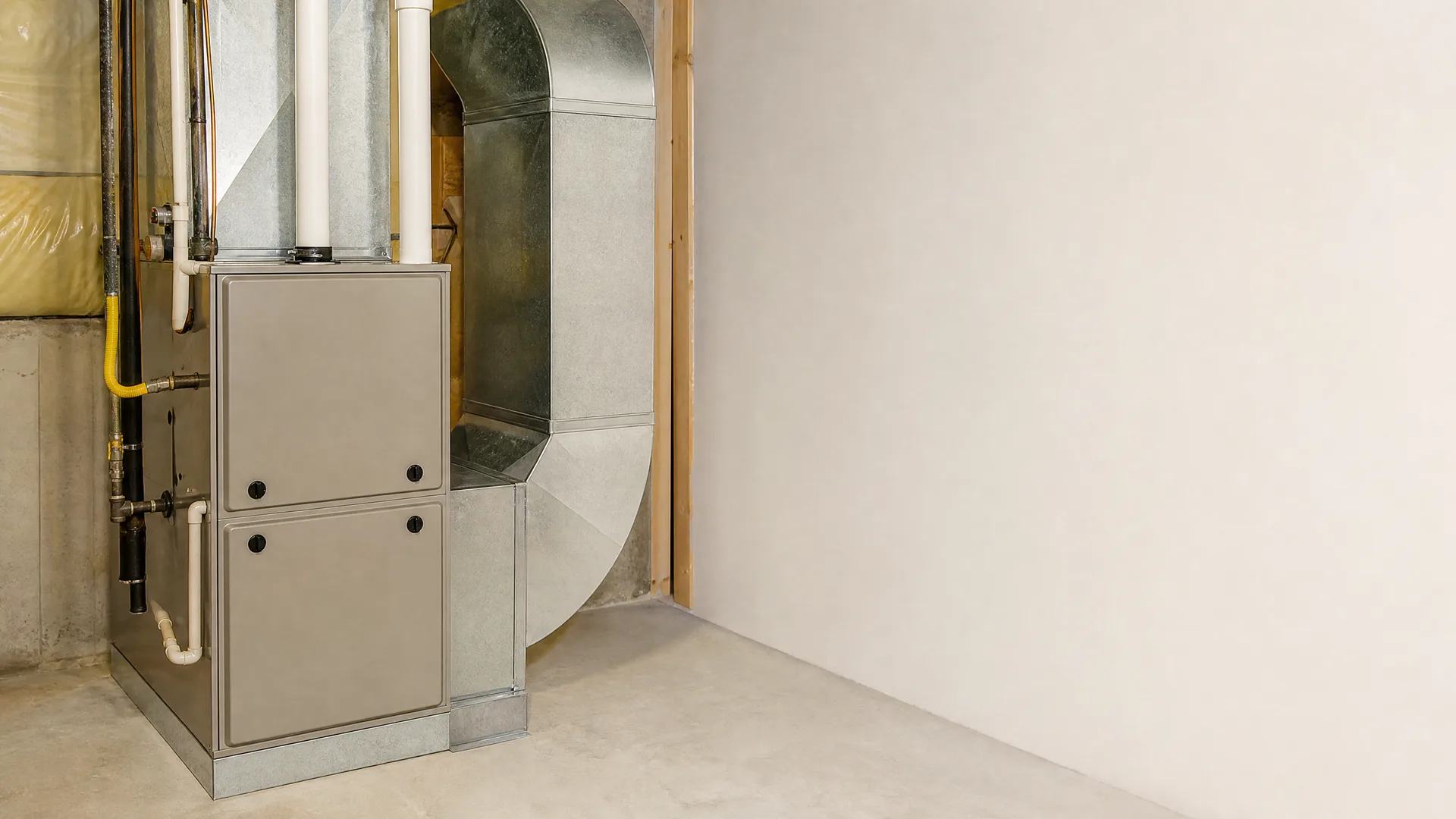
A heat exchanger cracks from metal fatigue. It heats up every time the furnace fires, then cools when it shuts off, and it expands and contracts that way thousands of times over the years. Eventually a seam gives out. Minnesota winters mean long runs and frequent cycling from November through March, so the exchanger in your furnace works through more of those cycles each year than it would somewhere milder.
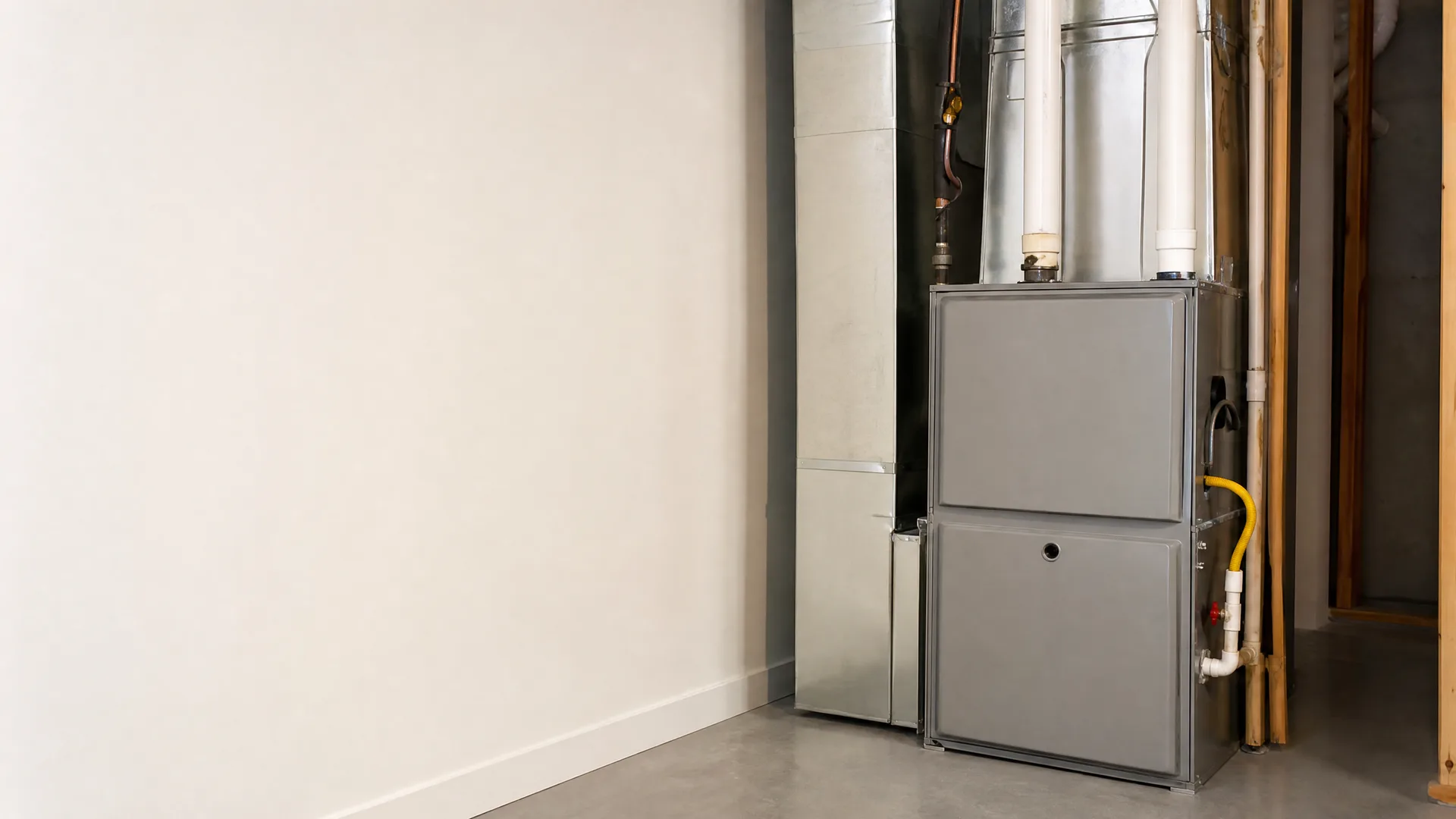
The heat exchanger keeps combustion gas separate from the air your blower pushes into the house. A crack lets that gas mix in, which is why carbon monoxide is the real danger, not just a repair issue. A furnace with a cracked exchanger can still run and still blow warm air, so the furnace working is not proof that the air coming out of your vents is clean.

If the crack is venting exhaust into the air your furnace blows through the house, that air moves through every room on the same ductwork. Everyone under that roof is breathing what comes off it, not just whoever's nearest the furnace. A carbon monoxide detector near the furnace and on each level of the house is the one way to know what's actually in that air, since you can't smell or see it.
A contractor who finds a cracked heat exchanger will shut the furnace down rather than let it keep running, because there's no safe amount of exhaust leaking into supply air. That's not a repair you want to put off scheduling once it's flagged. Filling out the form here gets your situation in front of a contractor who can look at your specific furnace and tell you what it needs, and from there it's their job to reach you, not yours to keep chasing.

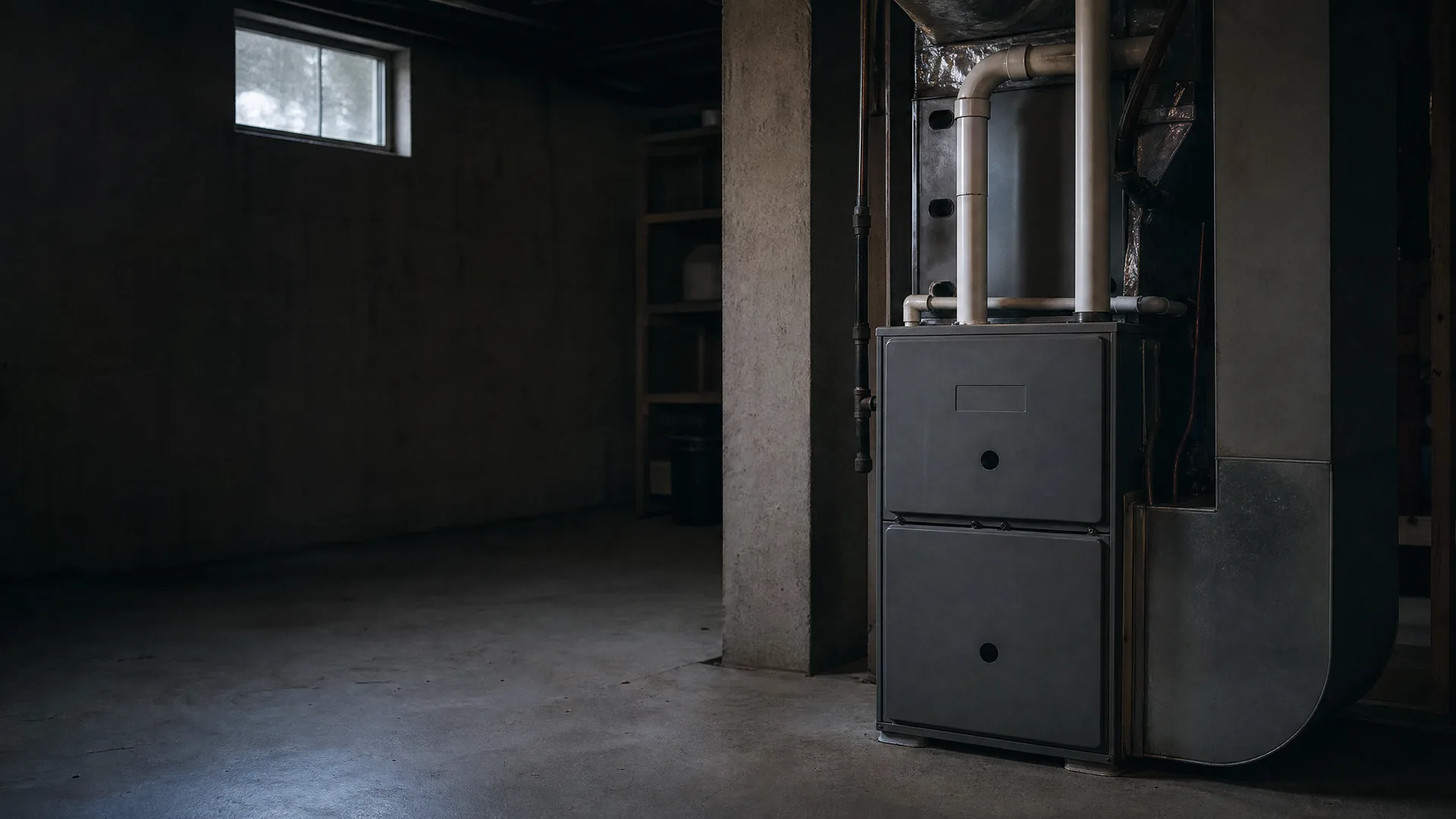
You go down to switch the laundry and the basement is cold in a way it shouldn't be. The furnace sits dark against the wall, no hum, no glow at the sight glass. It's just past six on a November evening and outside the windows at ground level the light is already gone. You flip the light switch at the bottom of the stairs and catch it then, a thin haze hanging in the air a few feet from the cabinet, the kind of dust that only shows up when the beam hits it right. You stand there a second, listening for the furnace to kick on like it should. It doesn't. Upstairs someone asks if it's cold in the kitchen too.
A cracked heat exchanger is not something to watch and wait on. Once a furnace is venting exhaust where the return air can pick it up, every day it keeps running is another day that air moves through the house. A technician can run a combustion analyzer or pull a camera through the exchanger and tell you in one visit whether the crack is there, something a flashlight and a guess never will. If it's your furnace doing this through a Minnesota winter, you're not choosing between living with it and shutting the heat off. A repair tech can usually get the exchanger replaced or the furnace swapped out without leaving you and your family without heat for long. Getting matched with someone who handles this costs you a form, not a string of calls to shops that may not have room this week. Fill it out, and the search for who's available stops being on you.




Walk past the furnace and you might catch something sharp, almost like formaldehyde, strongest right when it fires up. Some people get a headache after an hour in a room with the vents running, then feel fine once they're outside shoveling. Look at the cabinet and the burner area for soot, a fine gray dust that wasn't there before. Pull the panel and watch the flame. It should burn steady and blue. If it's leaning to one side, flickering, or tipped with yellow, air isn't moving through the burner the way it should. None of these alone proves a cracked exchanger, but together they mean the furnace needs a look before the next cold stretch, not after it.
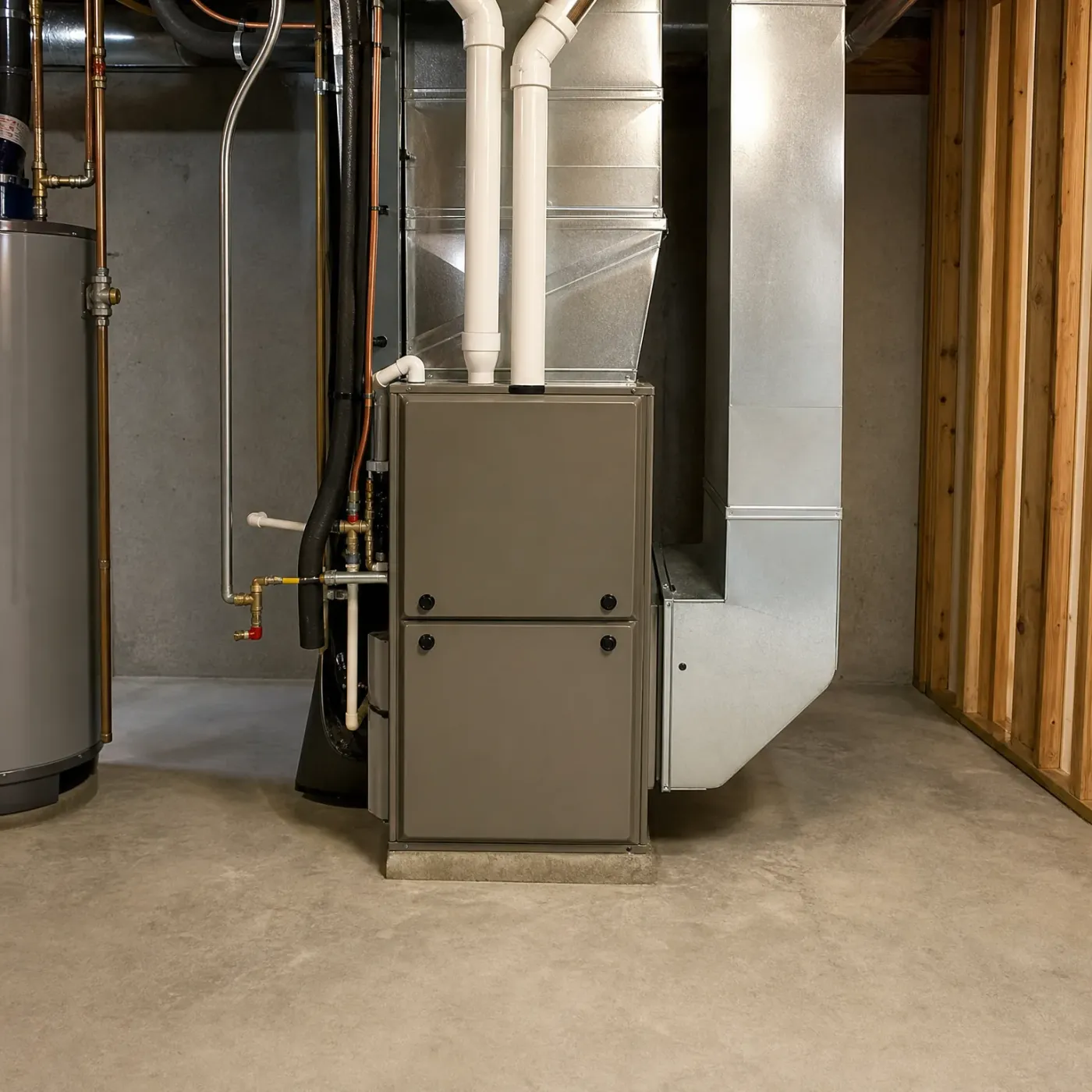
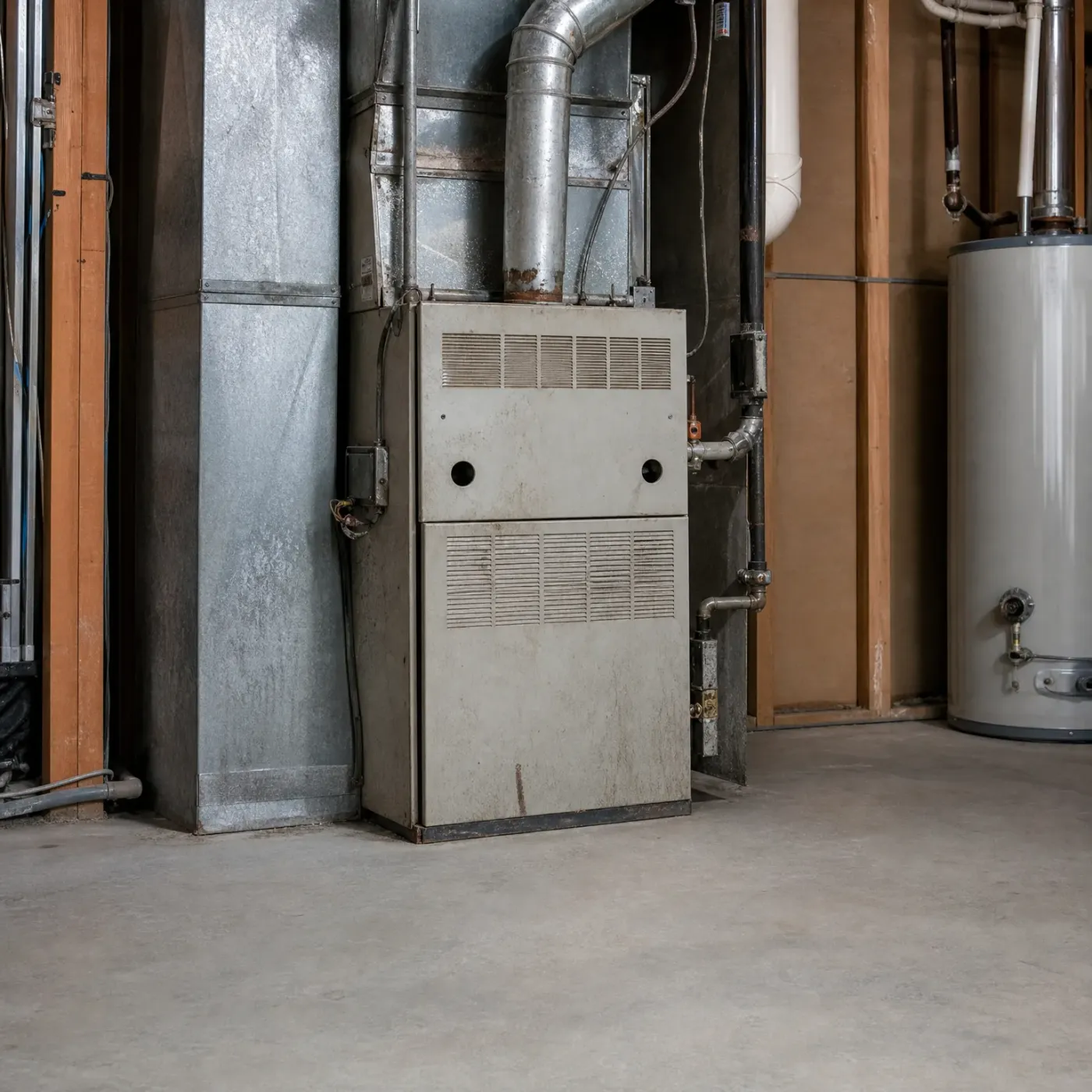
An 8°F average overnight low means your furnace is firing on and off for hours at a stretch, all winter long. Each cycle heats and cools the heat exchanger again. That's the stress that opens a crack, and it's why Minnesota furnaces see this problem more than furnaces somewhere mild.
NOAA nClimDiv 1991-2020 county normals weighted by homes
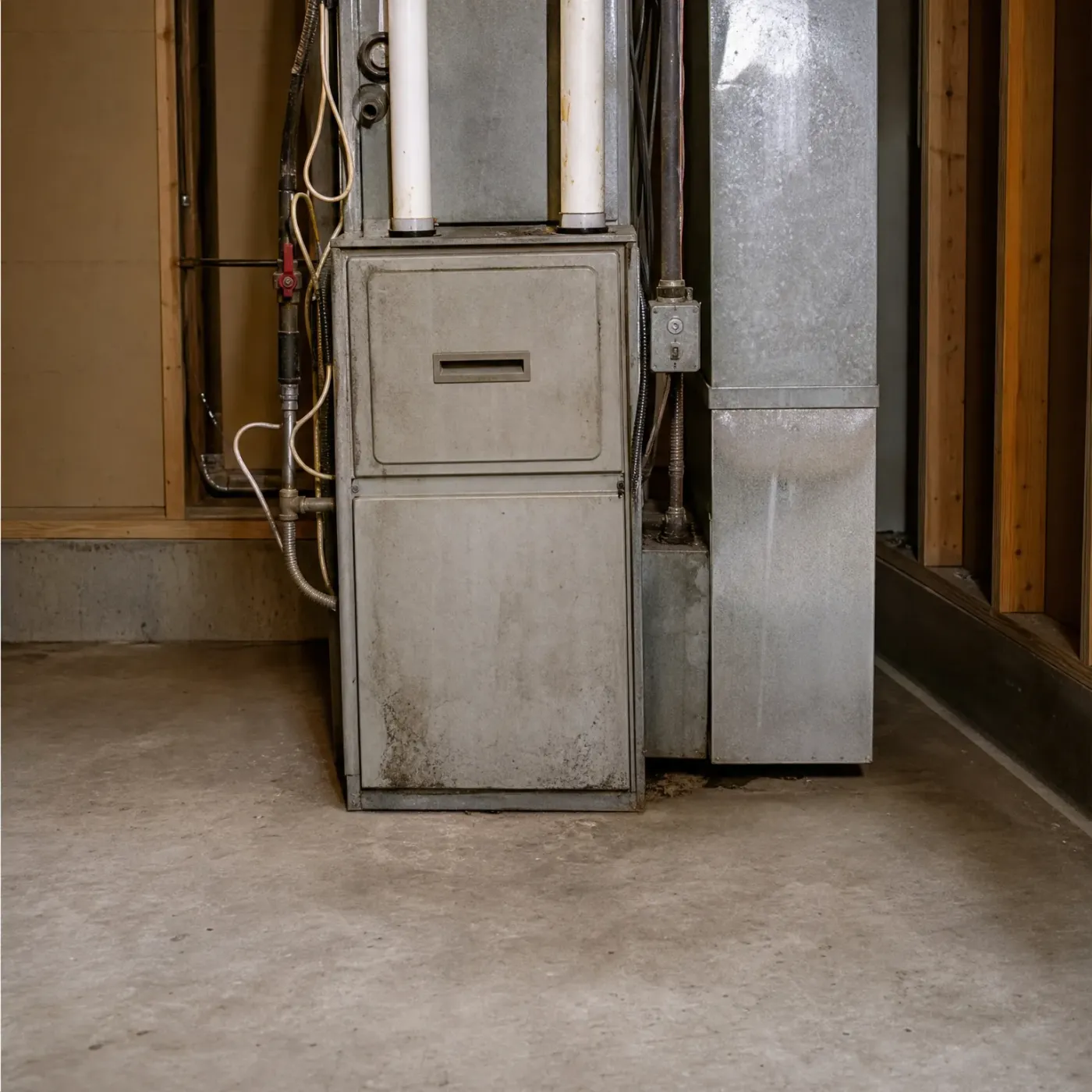
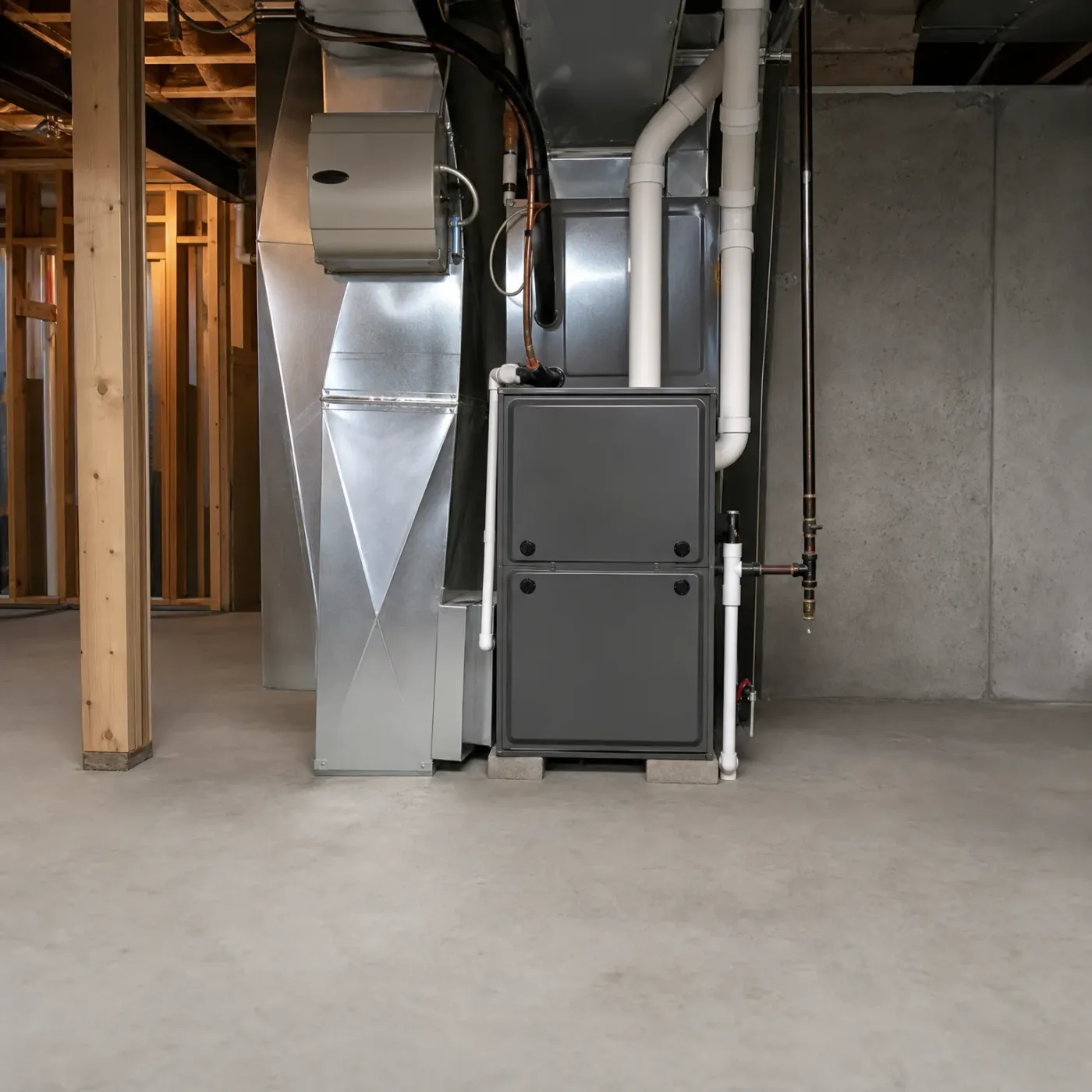
The furnace keeps heating the house, but any exhaust leaking into the airflow keeps moving through the ducts and into every room, day after day.
A technician checks the heat exchanger and the air you're breathing, and you find out what's actually going on before another cold night passes.


The signs point the same direction whether it's the smell, the soot, the flame, or how you feel after an hour near the furnace. None of them are things to sit with through a Minnesota winter, and none of them get clearer on their own. A furnace that cycles on and off for hours at a stretch, night after night, is putting real stress on that heat exchanger, and once a crack opens it doesn't close back up. The exhaust it lets through doesn't stay near the cabinet. It rides the same ductwork that heats every bedroom and every room where someone in the house spends time. A combustion analyzer settles the question instead of leaving you to read a flame or a smell and guess. Turning the furnace off stops the leak, but it also means no heat while you wait, and that's not a trade worth making longer than it has to be. The part that's actually yours to do ends at the form. Once it's sent, you're not the one calling around or sorting through who's available and who isn't. That work moves to someone else, and what's left for you is answering the phone when a contractor reaches out. A house that's had this checked is a house where everyone breathing that air at night can stop wondering about it.




Send the request today and stop worrying about who to call.
It costs nothing to send, and you don't have to hire anyone.