




What temperature to set the heat in a Minnesota winter

A local pro who services furnaces gets in touch about the tune-up.

Match me with a pro

Most homes in Minnesota do well with the thermostat set between 68 and 70 degrees during the day, and 5 to 8 degrees lower at night. That range keeps the furnace from fighting constant subzero air outside while still running often enough to stay in good working order. Dropping it much lower might save a little on gas, but it also means your furnace works harder in short, cold bursts when it does kick on, which adds wear over a long winter. Setting it higher doesn't heat the house faster. It just makes the furnace run longer to get there and longer to hold it. Where you land in that range depends on how your house holds heat and what you're willing to put up with in a sweater. A furnace that's kept up with maintenance holds a steady temperature more evenly, which matters more here than almost anywhere, since the season runs long.

A gray-haired bearded man in a dark coat and scarf dusted with snow stands smiling in a dimly lit entryway with a white front door, a side table with a lit lamp, an oval mirror, and a patterned rug.
An older bearded man in a dark snow-dusted coat and gray scarf stands just inside a dimly lit home entry, with a framed picture, lit table lamp, and an adjoining room with a fireplace behind him, and snow visible through the open door.
A gray-haired, bearded man in a dark snow-dusted coat stands smiling in a dimly lit entry hall with a staircase, a lit table lamp, a framed picture, and a living room visible through a doorway.
An older man with gray hair and a beard, wearing a dark jacket dusted with snow, stands smiling in a dimly lit hallway with lamps and a living room visible behind him.

Why does setting the heat lower at night actually help the furnace?

You've heard the advice to set the thermostat back a few degrees at night, and you're wondering if that's really doing anything useful for the furnace itself, or if it's just about the gas bill. With a Minnesota winter pushing the system hard for months, it's worth knowing what the setback actually changes.

It gives the furnace shorter, steadier run times instead of long fights against the coldest hours

Overnight is when outdoor temperatures drop the most, so a furnace held at daytime levels through those hours runs longer and cycles more to hold the line. Dropping the setpoint 5 to 8 degrees at night means the house is allowed to coast down with the outdoor temperature instead of being fought the whole way. The furnace still kicks on, but for shorter stretches, and it isn't pushing against the widest gap between inside and outside air. Less run time means less wear on the igniter and blower motor over a Minnesota winter that can run from October into April. In the morning, the furnace recovers the house to daytime temperature in one longer cycle rather than many short ones, which is easier on the system than constant cycling.

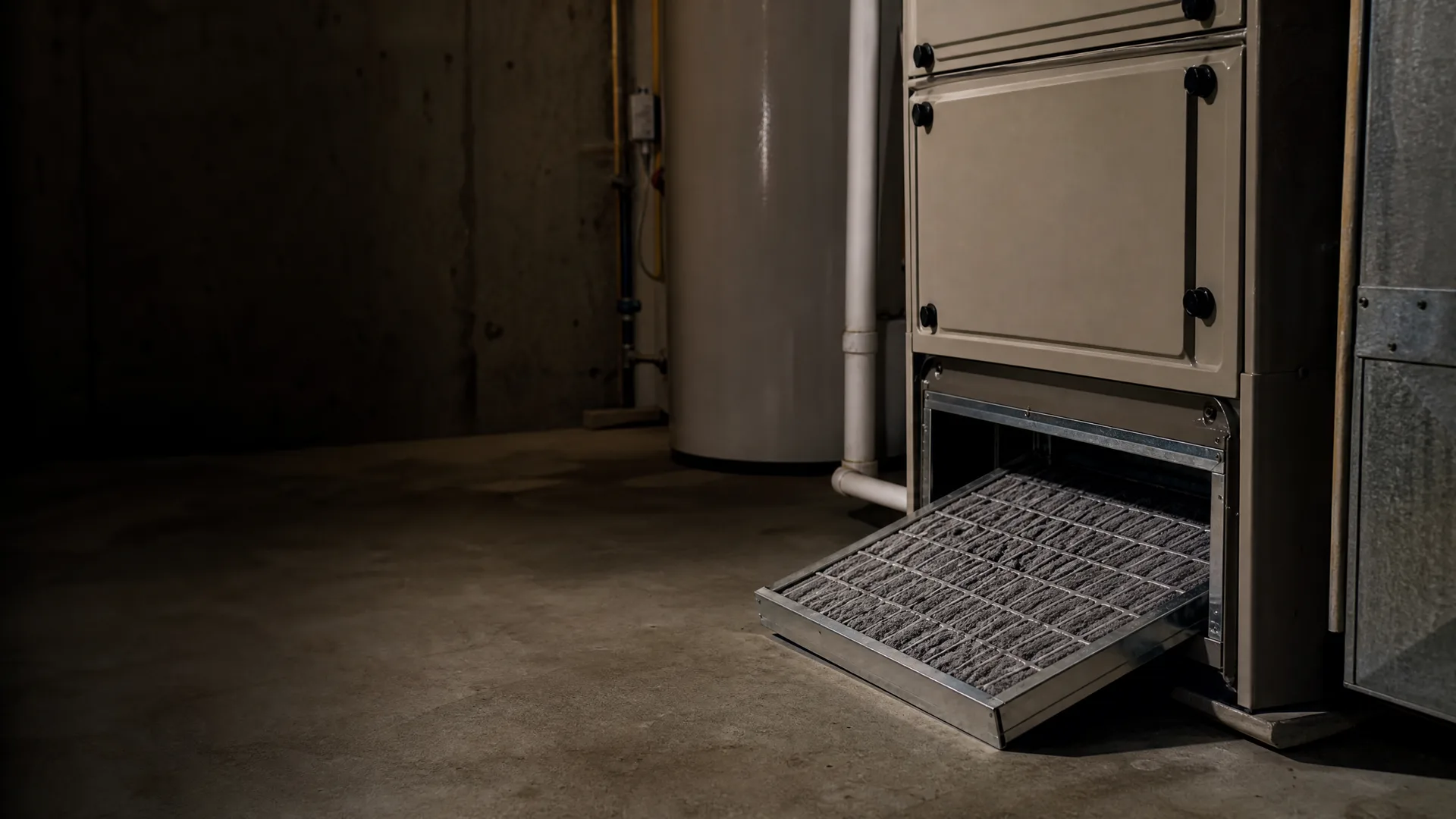
A furnace in a dim basement with a dirty pleated air filter partially pulled out of its slot, beside a water heater and concrete walls and floor.

You pull the filter out to check it before the cold really sets in, and it stops you for a second. Grey, matted, the light from the bulb overhead barely catching through it. October, and the furnace has only been running a few weeks. You think back to whether anyone looked at this unit last winter, and you can't come up with an answer. The thermostat upstairs is set right, 68 during the day like it should be, but that doesn't mean much if the furnace is pulling air through this. Somewhere in this county there's a contractor who's been inside furnaces like yours every fall for years and would know in a minute what else needs a look before January gets here.

A pro who works on furnaces

Only one pro gets your request, so you hear from one company.

There's no charge for the request.

Why 68 doesn't feel like 68

A thermostat reads the air, not the walls, the windows, or the floor near an exterior door. When it's well below zero outside, those surfaces pull heat out of a room faster than the furnace can push it back in, so 68 degrees can feel cooler than it would in October. Closing curtains at night and keeping furniture away from vents help the air that is heated actually reach you. Chasing the feeling by bumping the thermostat up a few more degrees just adds runtime without fixing the real draft, and a maintenance check can confirm whether the system is heating evenly room to room.
What a steady setting actually does

A furnace that cycles on and off every few minutes works harder than one that runs a longer, steadier stretch. Wide swings between a daytime setting and a much higher one when someone walks in cold force the burner to ramp up hard and the blower to push air at full output right away. Keeping the setting consistent, or moving it gradually, lets the system reach temperature without that strain. Over a winter with months of near-constant use, that difference in cycling shows up as wear on the igniter and the blower motor, which is exactly what a seasonal maintenance visit checks for.

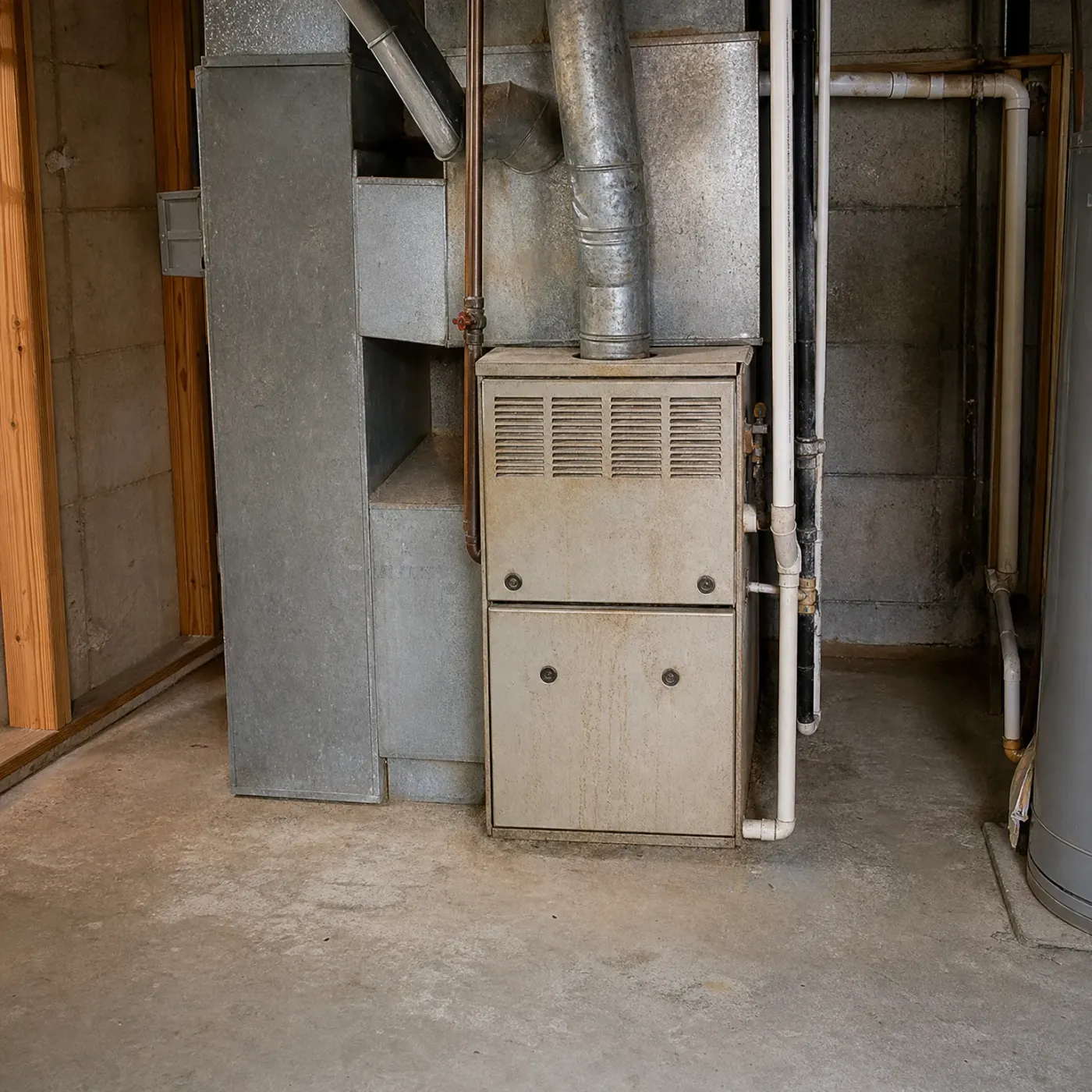
A beige gas furnace with a metal flue pipe stands in a basement against concrete block walls, beside sheet-metal ductwork, copper and white plastic pipes, and a water heater at right.
Before you get your furnace maintenance
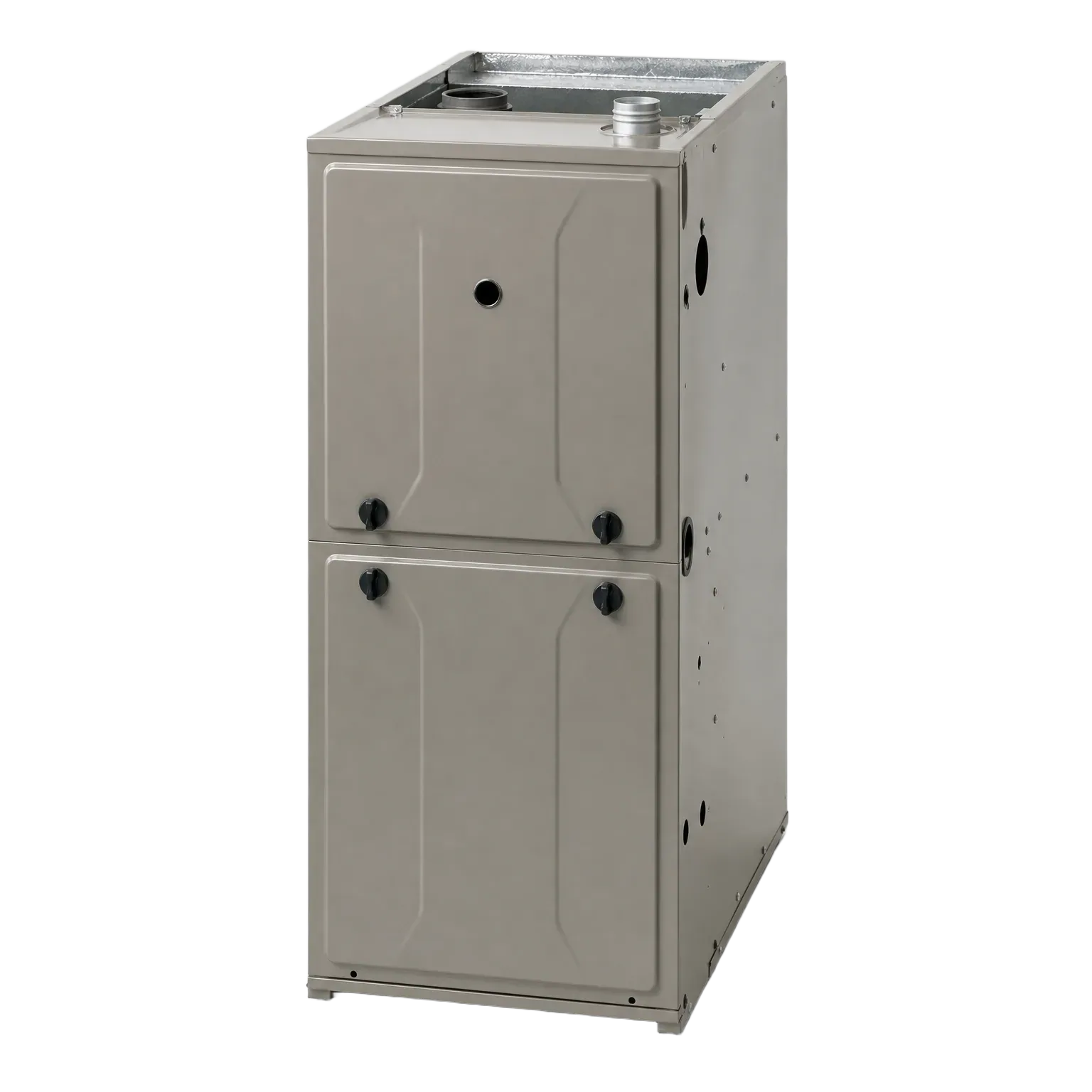
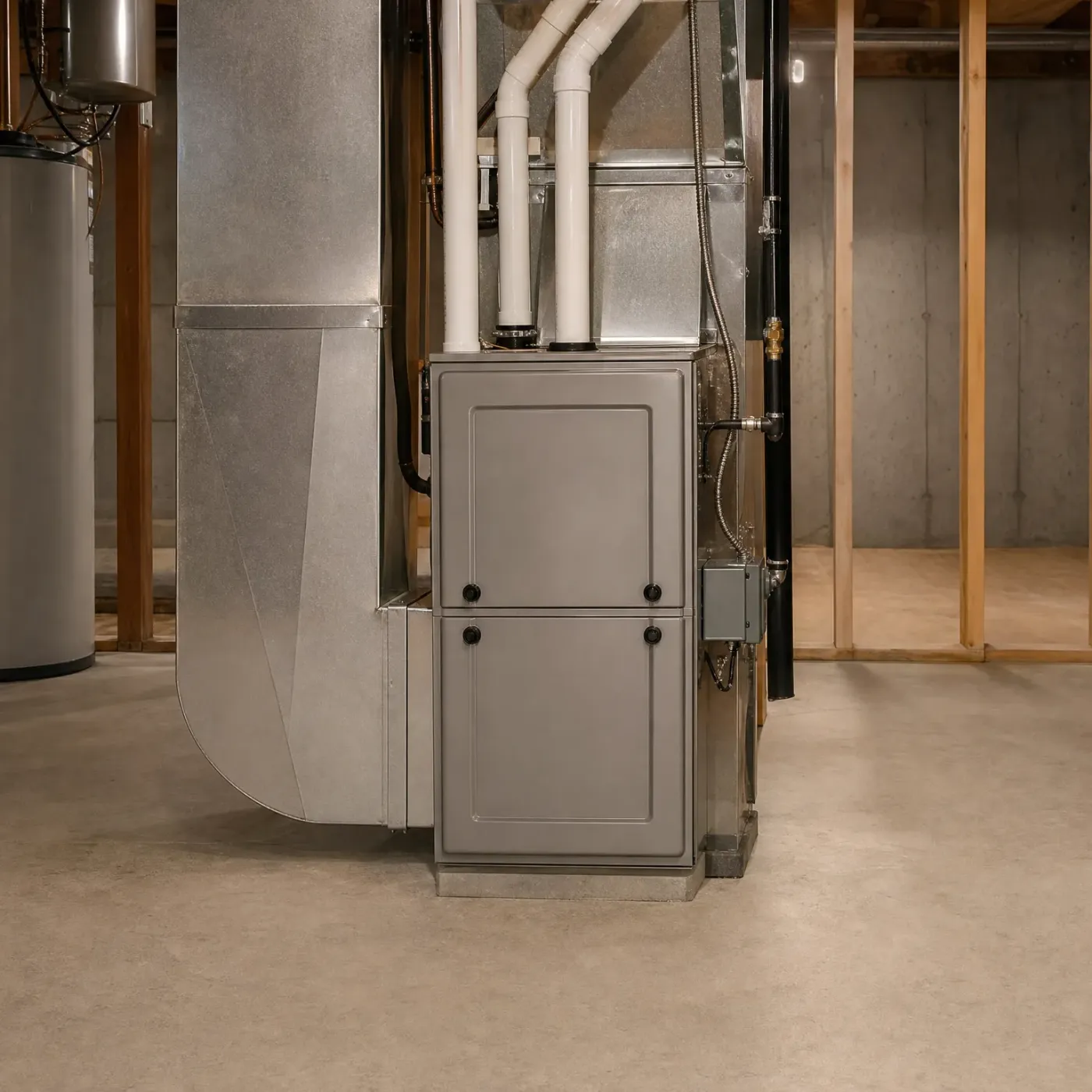
A gray high-efficiency furnace with white PVC vent pipes stands beside sheet-metal ductwork and a water heater in an unfinished basement with concrete walls and wood framing.
After you get your furnace maintenance

Keep the thermostat at one setting all day because you work from home and don't want the furnace cycling back and forth to recover a few degrees.

A programmable or smart thermostat recovers that setback before you're up, so the furnace isn't working against you. The savings come from the hours the house sits lower, not from avoiding the climb back.

Winter nights average 8°F statewide

An 8 degree average overnight low means the furnace is working against deep cold most nights, not just on the occasional cold snap. A setback of 5 to 8 degrees still leaves plenty of room above outside air, so the furnace recovers fast and doesn't strain to do it.

NOAA nClimDiv 1991-2020 county normals weighted by homes

The Right Number, Kept Up

  • Keeping the thermostat at 68 to 70 during the day and 5 to 8 degrees lower at night works for most Minnesota homes.
  • The furnace handles that daily swing without strain, since it was built to recover a setback of that size.
  • A furnace that's kept up with regular maintenance recovers from a nighttime setback faster and without extra wear.
  • A local contractor who works on furnaces all winter in this climate knows which parts tend to give out first.
  • Matching with one licensed local contractor means a single point of contact, not a string of calls from different companies.

68 to 70 during the day, 5 to 8 degrees lower at night. That's the number for most houses here, and the furnace is built to handle that swing without extra strain. What decides whether it stays that easy is the condition of the furnace itself. A unit that's been checked, cleaned, and had its igniter and flame sensor looked at recovers from a setback fast. One that hasn't will run longer than it should to climb back those few degrees, night after night, through a Minnesota winter that doesn't let up until spring.

That's where a contractor who knows the equipment matters more than the thermostat setting does. Someone who services furnaces in this climate all winter has seen which parts wear first, because they've pulled the same igniter or the same inducer motor out of houses like yours more times than they can count. That's a different kind of knowledge than a chart of recommended temperatures. It's the difference between a furnace that holds its setting and one that starts short-cycling in January.

When you're matched through this page, it's with one contractor, licensed and local, not a handful of companies competing for the same job. That means one call back, from someone who already knows the kind of winters your furnace is up against, not a list of strangers working off the same script. The number on the thermostat is the easy part. Keeping the furnace able to hit it all winter is the part that takes someone who does this work for a living.

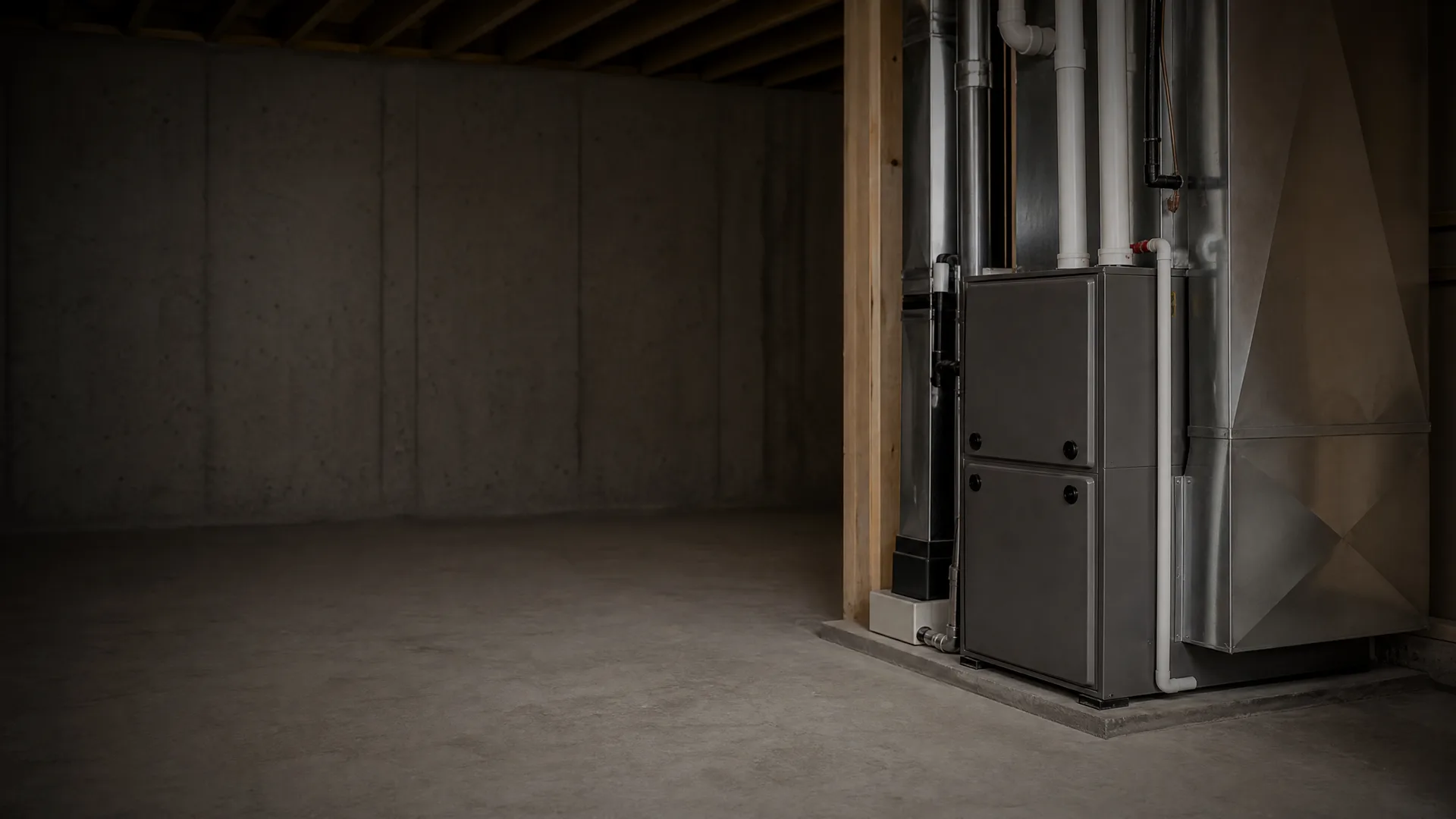
A gas furnace with attached PVC and metal piping and sheet-metal ductwork stands on a concrete pad in a dim unfinished basement with concrete walls and exposed floor joists.

Get your furnace to the right pro

Your request stays with one local pro.

Step 1 of 3: Equipment