Why your furnace keeps turning on and off in Minnesota
Tell a local repair pro what your furnace is doing.
A furnace that fires up, runs a minute or two, then shuts off and starts again a few minutes later is short cycling. It wears the igniter and the blower motor faster than they should wear, and in a Minnesota winter it can mean rooms that never quite get warm while the system runs more than it should.
A few things cause this. A dirty flame sensor will make the burner shut down almost as soon as it lights. A clogged filter cuts off airflow until the furnace overheats and trips its limit switch. A thermostat in the wrong spot, or wired wrong, can tell the furnace to stop before the house is actually warm. Sometimes it's a furnace that was sized too big for the house, so it satisfies the thermostat fast and shuts off before it's run a full cycle.
Figuring out which one it is means someone looking at your furnace, not guessing over the phone. That's what the contractor you get matched with does. They're local, and they work on furnaces through every Minnesota winter, so they've seen this exact complaint come from a bad flame sensor more times than from almost anything else, and they know which checks to run first instead of replacing parts until something works.
You'll be matched with one contractor, licensed to work in Minnesota, not a list of five companies all calling you the same afternoon. They'll reach out to you directly once they have what they need about your furnace and your situation.
From there it's a conversation about your specific furnace, not a sales pitch. Tell them what you're seeing, how often it's happening, whether it's worse on the coldest days, and they'll take it from there.
A furnace that short cycles is usually fighting one of a few things: a dirty flame sensor, a clogged filter choking airflow, a cracked heat exchanger tripping the limit switch, or a thermostat sensing the wrong temperature because of where it's mounted. A dirty filter is common in Minnesota because furnaces here run close to around the clock from November through March, and that constant runtime loads up the filter faster than it would somewhere milder. When airflow drops, the furnace overheats internally, a safety switch cuts the burner, and it restarts once it cools. Each cycle is short, so the air never runs long enough to heat the house evenly. Left alone, this pattern stresses the igniter and blower motor, parts that are not cheap to replace, and in the coldest months a furnace that keeps shutting off is one that may not keep up when you need it most.
A furnace that runs a full cycle, warms the house, and shuts off until it's needed again is doing what it's built to do.
A furnace that fires, cuts out in a minute or two, and relights again is struggling to finish a cycle and losing ground in the cold.
A gas furnace doesn't just flip on. It moves through steps, and every step has to pass before the next one fires. The inducer motor spins up first and has to prove draft to a pressure switch. Only then does the igniter get the signal to glow. Gas opens, the flame lights, and the flame sensor has to confirm it's burning within seconds or the control board shuts the gas back off. Once the burners are running, the limit switch is watching cabinet temperature the whole time, ready to cut things short if air isn't moving through fast enough to carry the heat away. Any one part answering late, or not at all, breaks that chain. The furnace doesn't know why it tripped. It just stops, waits, and tries the sequence again. That's what you're hearing when it short cycles. Somewhere in that order, a part isn't holding up its end, and the furnace is restarting a sequence it can't finish.
The Sequence Behind Every Cycle
The flame sensor reads the fire through a tiny current, and a film of soot on it can drop that reading low enough to make the control board cut gas within seconds.
The limit switch sits near the heat exchanger and trips if air inside the cabinet runs too hot, which happens fast when a dirty filter blocks return air.
A cracked heat exchanger can trip that same limit switch intermittently, since the warp that causes the crack only shows up once the metal heats and expands.
The inducer motor has to prove draft through the pressure switch before the igniter is allowed to glow, so a failing inducer can stop ignition before the cycle even starts.
A thermostat mounted near a supply vent or in direct sun reads the room wrong and tells the furnace to shut off long before the house has actually warmed.
Gas furnaces run a fixed sequence on every call for heat, and a part that answers late or not at all breaks that sequence instead of letting it finish.
The right pro for this job
Your request stays with one local pro.
A local pro who knows furnaces gets your details and gets in touch.
Why does my furnace keep shutting off after only a minute or two?
Why does my furnace keep shutting off after only a minute or two?
The control board is cutting gas before the heat exchanger ever gets warm
That fast a shutoff usually means the control board never saw what it needed to keep the burners going, so it cut gas as a safety step rather than let something worse happen. A flame sensor caked with soot reads a weak signal and the board reacts in seconds. A limit switch tripped by poor airflow does the same thing, just for a different reason. Either way the furnace is doing what it was built to do when something upstream isn't right. In a Minnesota winter that means a lot of restarts a day, each one pulling the igniter and blower through a cycle they weren't meant to run that often.
1
The igniter heats up and the control board watches it glow.
2
Gas valve opens and the burners light off the igniter.
3
The flame sensor confirms fire within seconds or cuts gas.
4
Limit switch checks cabinet temperature as the heat exchanger warms.
Before you get your furnace repairAfter you get your furnace repair
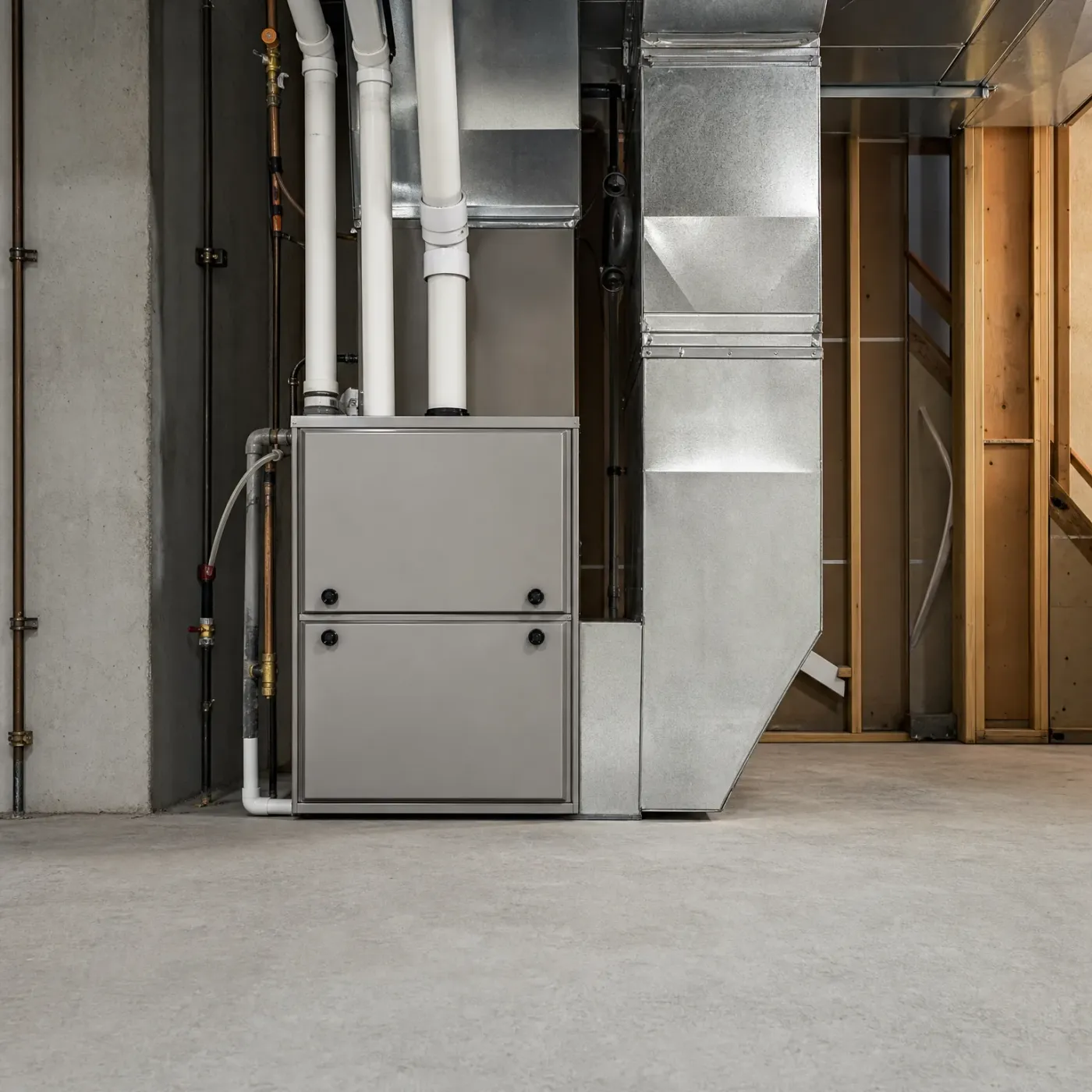
Running the way it should
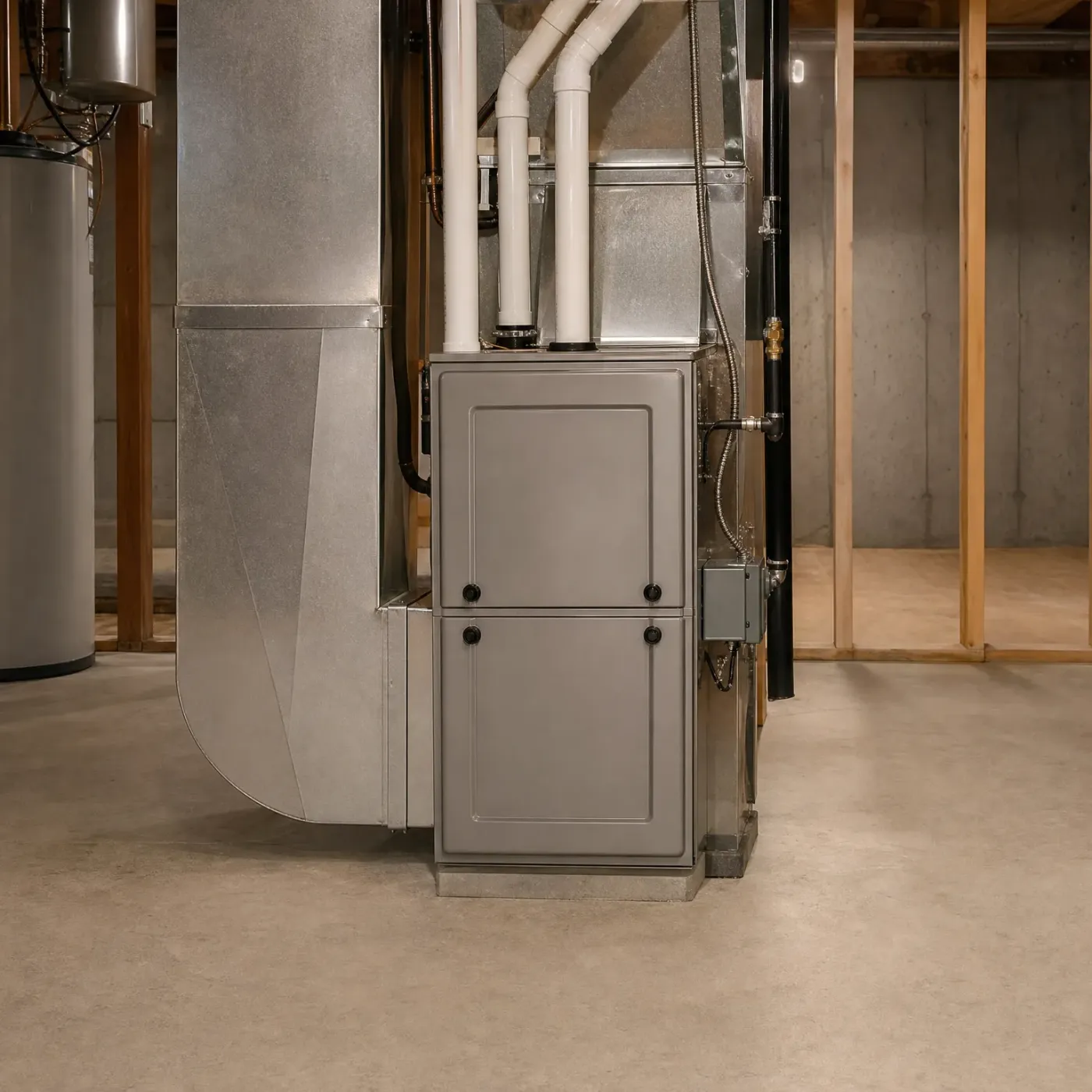
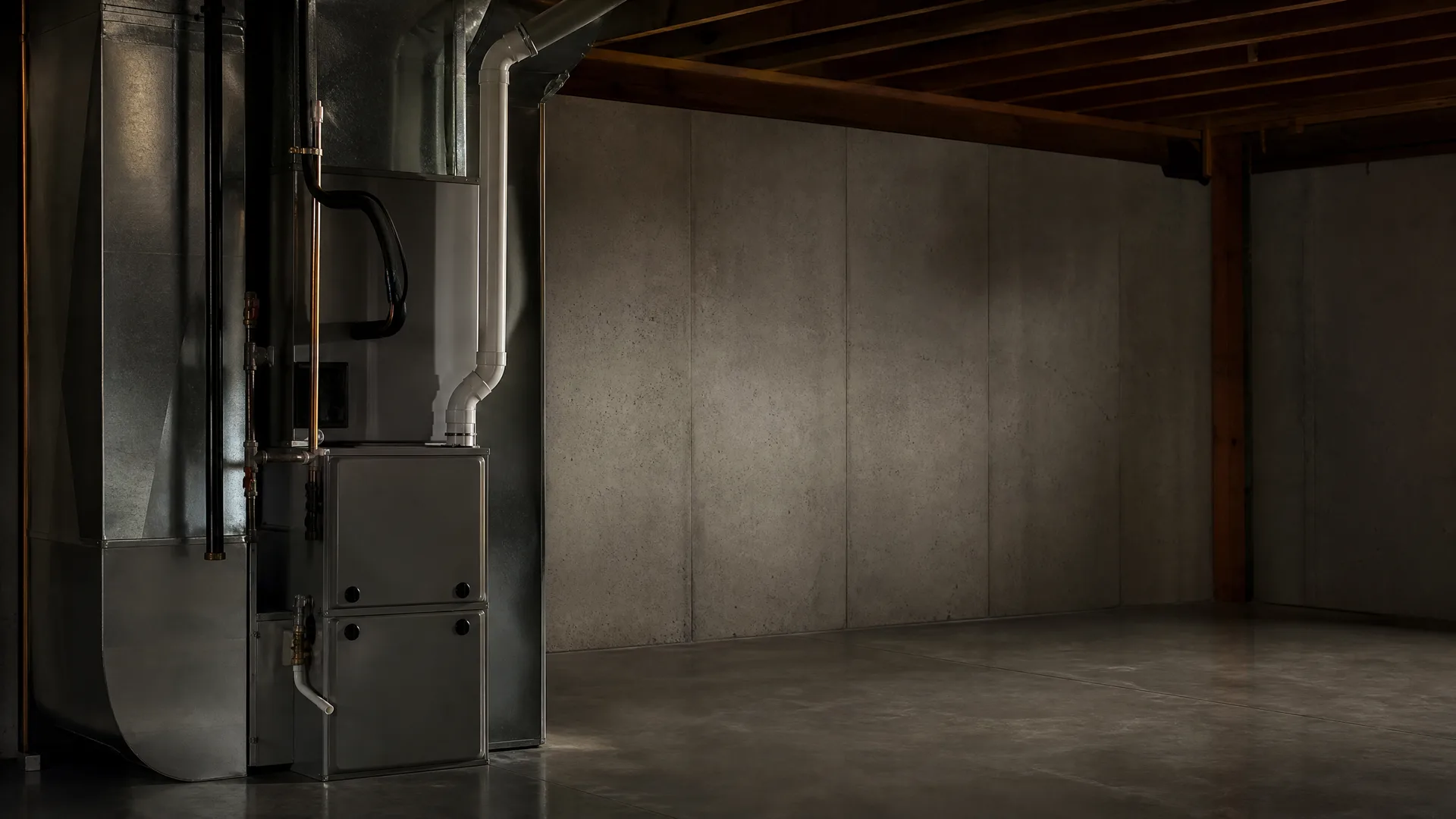
This furnace fires, heats the air moving through the ductwork above it, and shuts off on its own once the house reaches temperature. The exhaust and intake pipes run clear, and the cabinet stays closed up tight while it runs.
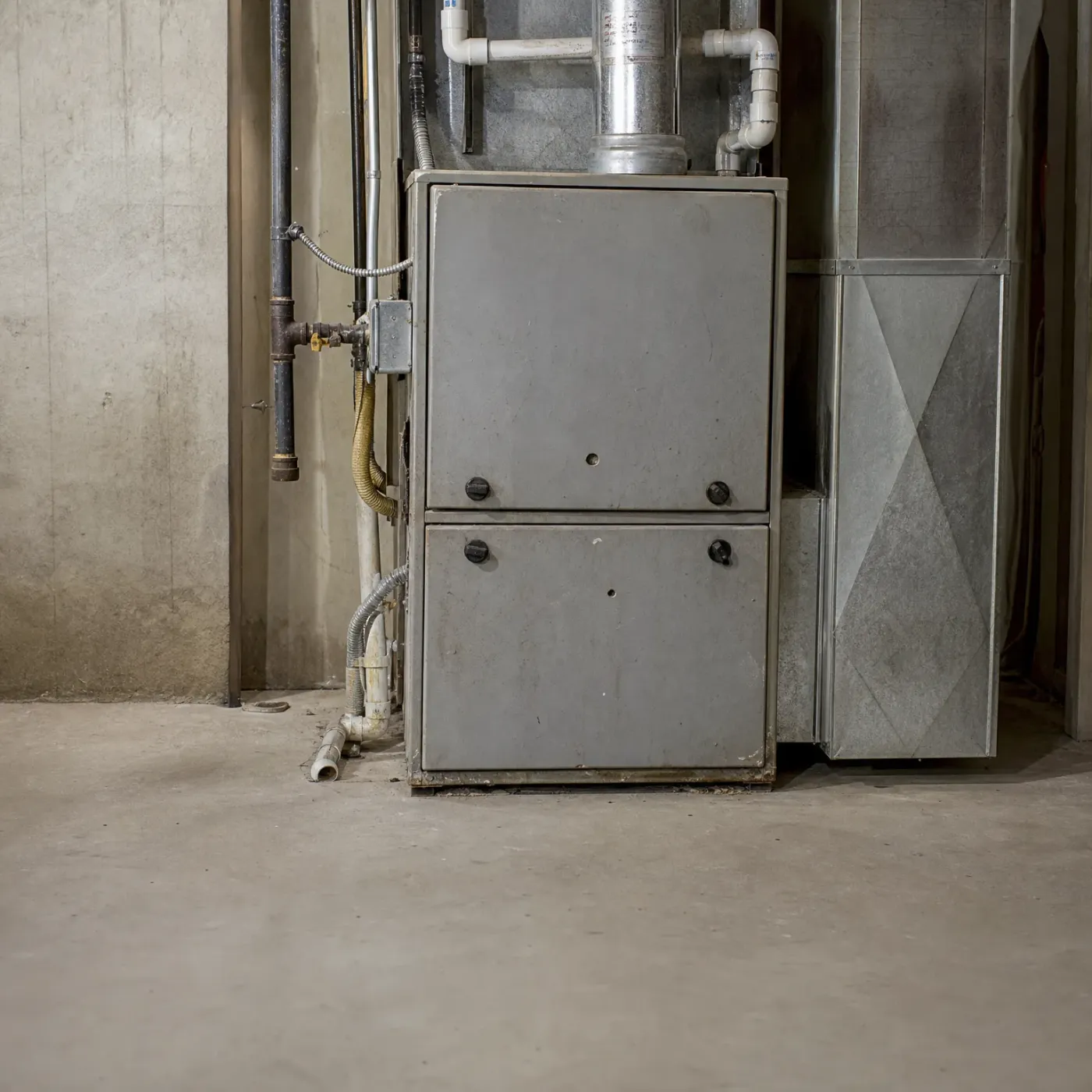
Cutting out early
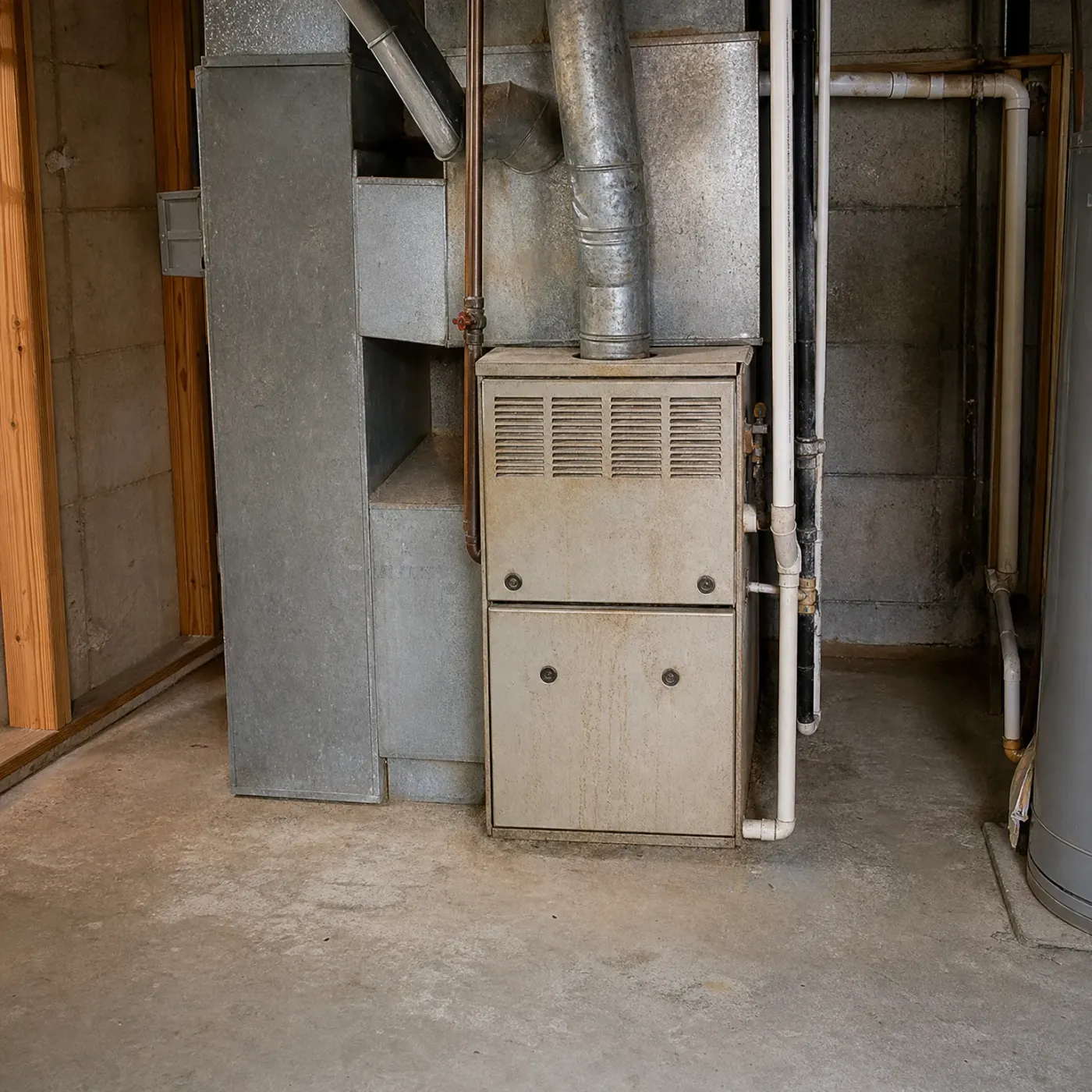
This older furnace is lighting and quitting before it finishes a cycle. Black iron gas pipe and an aging flue like this one are common in furnaces that have been through many winters, and the parts inside wear with them.
Winter nights average 8°F statewide
With overnight lows near 8°F across December, January and February, your furnace is running long stretches just to hold the house steady. A unit that short cycles in that kind of cold can't keep pace, and the rooms farthest from it lose ground fast.
NOAA nClimDiv 1991-2020 county normals weighted by homes
A furnace cycles on and off by design about two to three times an hour on a normal cold day, giving the blower time to push warm air through the house before the burners shut down.
A furnace short cycling runs six, eight, sometimes ten times an hour, and each restart forces the igniter to heat cold again, which is the part that usually fails first.
A furnace that short cycles needs a diagnosis, not a guess
Short cycling has a cause sitting inside the cabinet right now, whether it's a flame sensor that needs cleaning, a limit switch tripping on restricted airflow, or a cracked heat exchanger that shouldn't be patched over. Finding which one it is means opening the furnace up and checking each part against what it's doing, not swapping pieces and hoping. With lows near 8°F through the worst of a Minnesota winter, that's not a guess you want to get wrong twice.
A contractor who services furnaces in your area through every one of those cold months has seen this pattern enough times to know where to look first. When you request service here, you're matched with one local, licensed contractor suited to what your furnace needs, and that contractor reaches out to you directly. No lineup of companies competing for your attention, just the one who's qualified to take a look.
Matched to your furnace job
Your request goes to one pro, not a list of companies.