Skip calling around
Why your furnace won't turn on in a Minnesota winter
A furnace that won't start when it's below zero outside is not a small thing to sort out on your own, and most people don't know a flame sensor from an igniter until one fails. This page walks through what actually stops a Minnesota furnace from firing up, so you know what you're dealing with before anyone sets foot in your house. Below, find your way to a local contractor who works on these all winter, instead of calling around and explaining the problem over and over.
Skip the callsA furnace that won't turn on usually comes down to one of a few things. The igniter can fail and stop producing the spark needed to light the burners. The flame sensor can get a thin coating of residue and shut the system down even when the flame is fine, because it reads the flame as absent and the control board won't send gas without that signal. A clogged filter can choke airflow until a safety switch trips and shuts the whole system off before it overheats. The thermostat itself can lose power or settings. In a Minnesota winter, when the furnace is the only thing standing between your family and single-digit nights, any one of these means the system won't fire until that specific part is found and fixed. It's rarely the whole furnace. It's one part telling the rest of the system to stay off.
Winter nights average 8°F statewide
At 8°F, your furnace is running most of the night just to hold the house steady. If it won't fire up, there's no warm air building up behind a stuck igniter or dirty sensor to buy you time. A short overnight outage is enough for rooms to feel it.
NOAA nClimDiv 1991-2020 county normals weighted by homes
A furnace that won't fire up doesn't wait for a convenient hour
It tends to happen overnight, or on the coldest morning, when the thermostat calls for heat and nothing answers. You notice it in the register air going cold, then in the house itself, room by room. Anyone who gets cold easily, a baby, someone older, feels it first. With the temperature where it sits in a Minnesota winter, that's not something to leave for a few days while you sort out who to call.
Normally that means working the phone: finding a few contractors, explaining the furnace won't start, waiting on callbacks, then doing it again for a second quote to make sure the first one was fair. One request here sends your situation to a licensed contractor near you, someone who works on furnaces all winter and has seen what usually keeps them from starting. You explain it once, to the person who's coming to fix it.
The thermostat calls for heat and signals the control board.
The inducer motor starts and purges the heat exchanger.
A pressure switch confirms the draft before anything sparks.
The igniter heats up or sparks to light the burners.
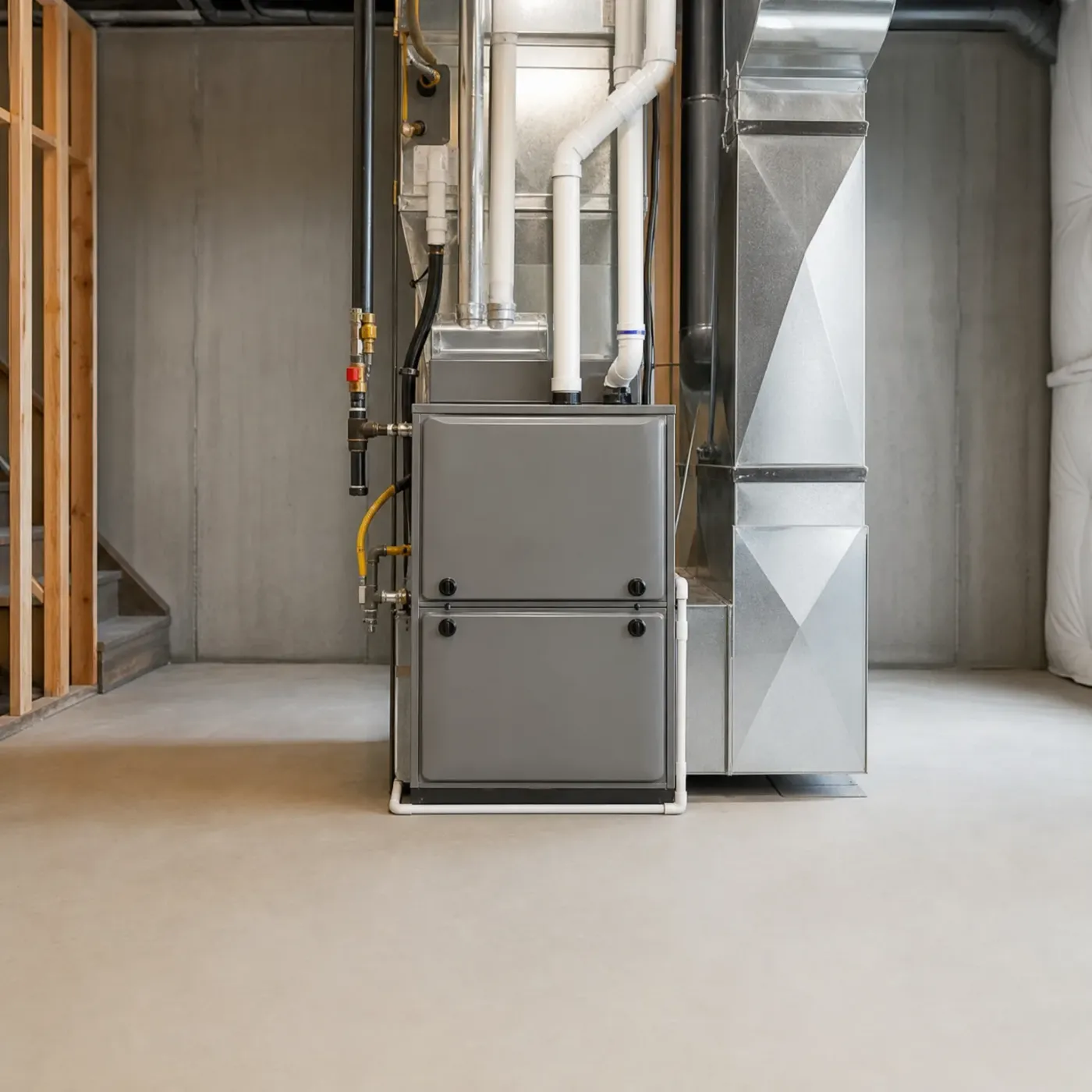
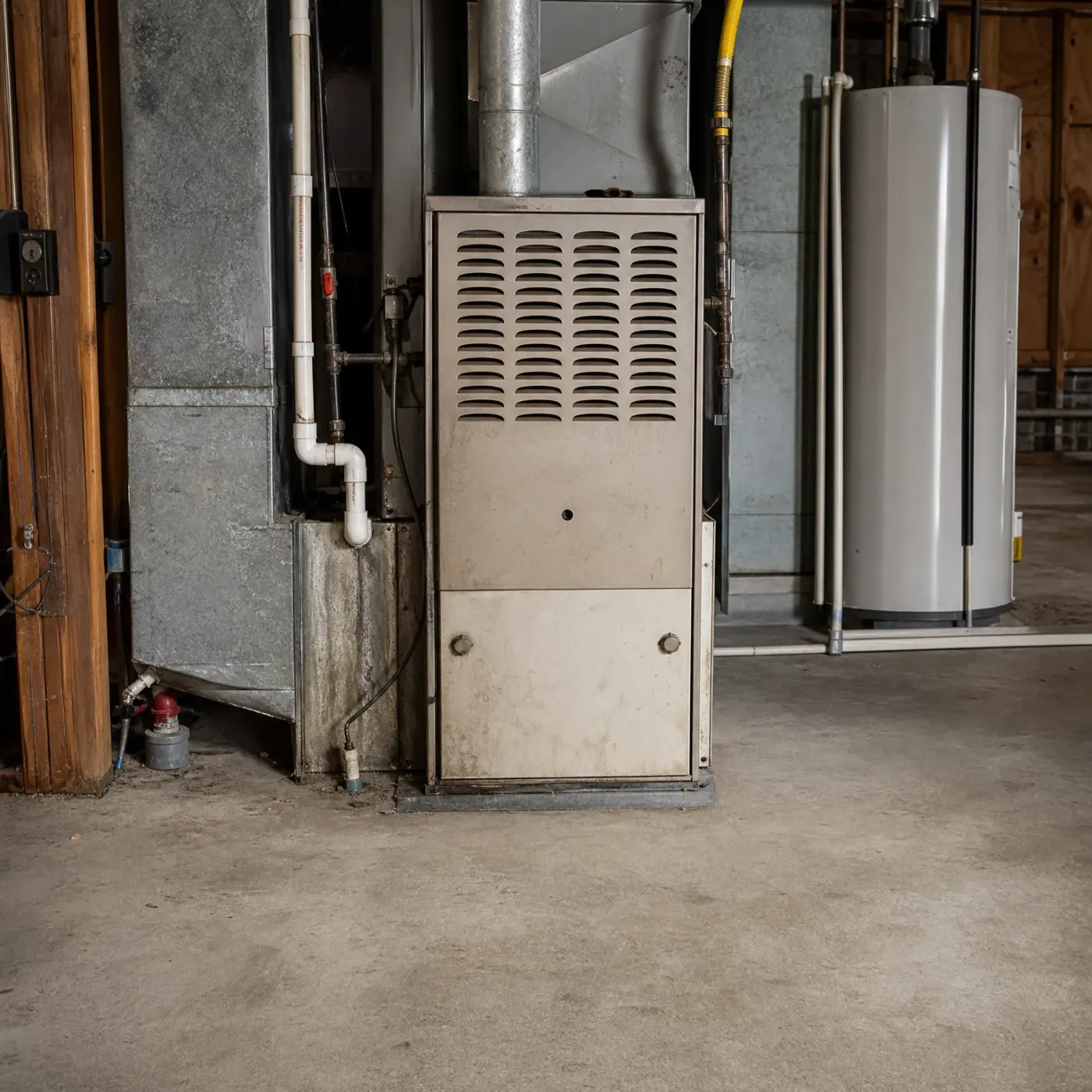
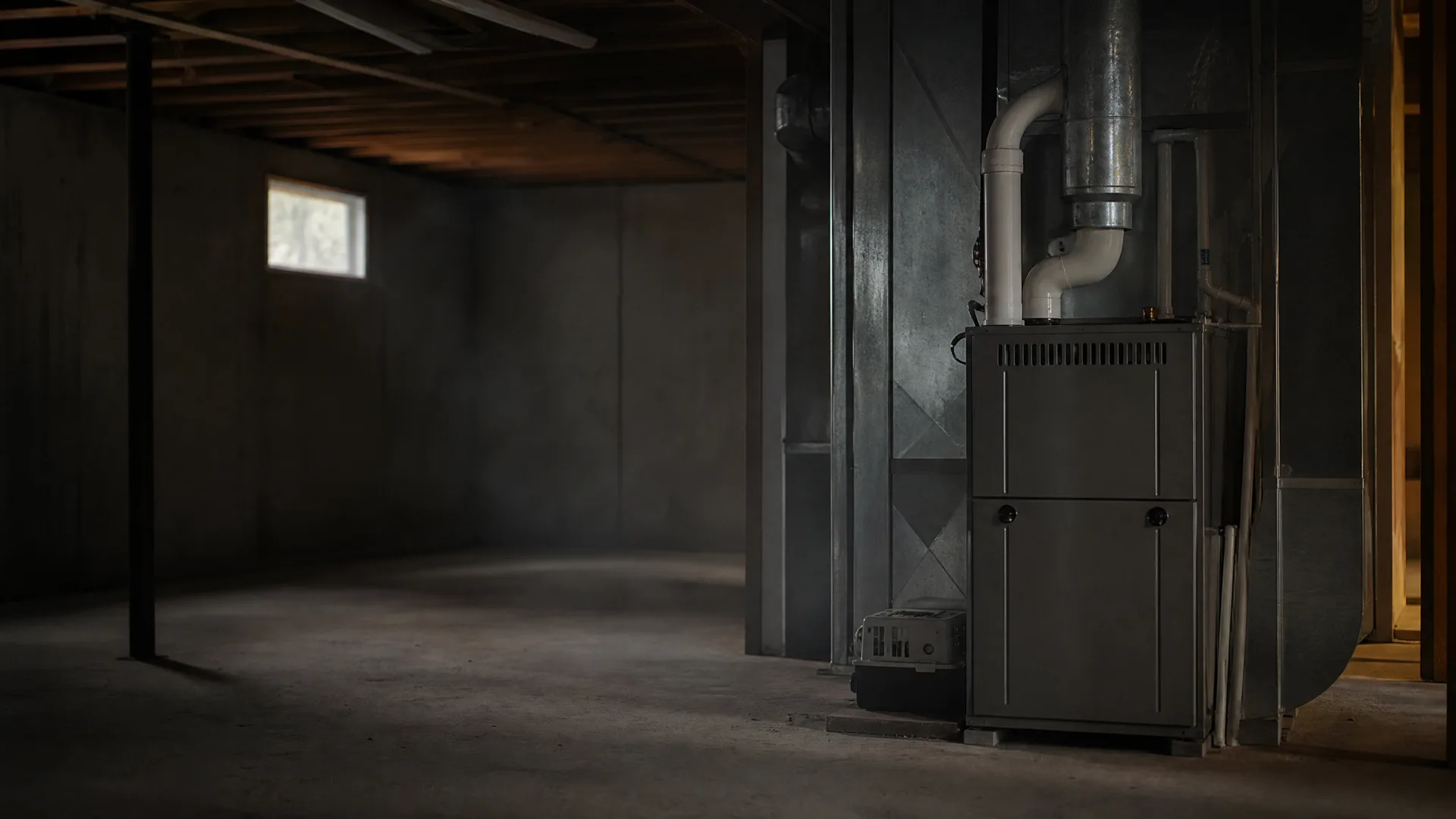
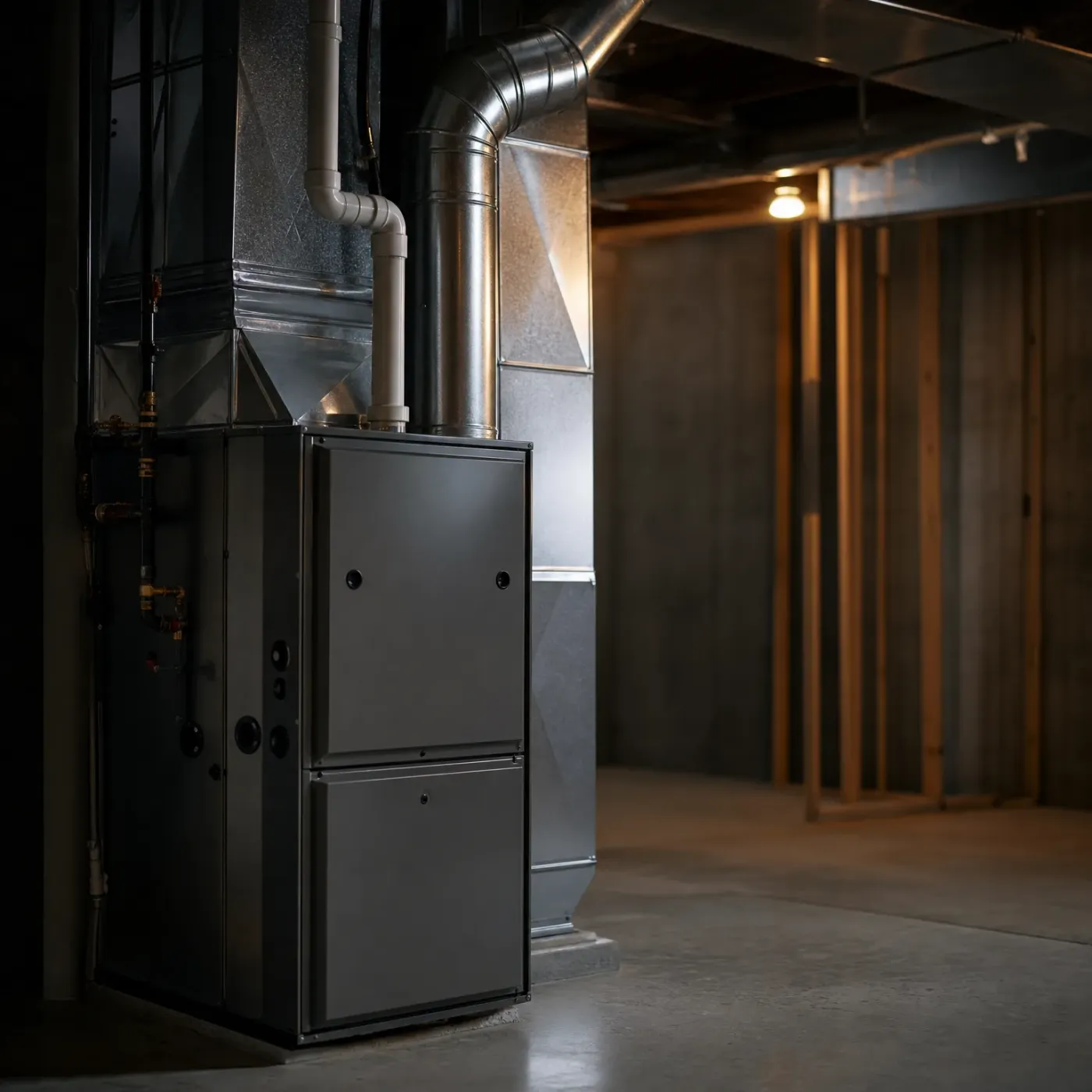
You go down to check the thermostat reading and the basement is quiet in the wrong way. It's just past six, already dark, and the furnace sits there with no blower hum, no blue flicker through the sight glass. You put a hand near the cabinet. Cold metal. A thin layer of dust catches the light from your phone where you're crouched near the burner compartment, undisturbed, like it's been a while since anyone but you looked this closely. Outside it's well below freezing and the wind is finding the gap under the garage door. You crouch there a minute longer, listening for the click that doesn't come, before you go back upstairs for your coat.
Describe it once
A furnace that won't fire back up on its own takes someone who can get a panel off, test the igniter and the flame sensor, and check the pressure switch and control board against each other, not a guess from across the basement. Finding that person usually means searching, calling a few places, describing the same dead furnace three or four times, then sitting with quotes that don't line up because nobody looked at the same unit. None of that fits a night when the house is already dropping. One request here goes to a contractor who works on furnaces around here all winter, knows which part tends to go first in weather like this, and is licensed to do the work. You're not fielding calls from five companies trying to win the job. You get one, from someone local, while the house is still cold and the thermostat is still calling for heat with nothing answering back.
What It Comes Down To
- A furnace that won't start almost always traces back to the igniter, the flame sensor, the pressure switch, or the control board.
- Cold weather doesn't cause these failures, but it turns a part that's already wearing out into a furnace that won't run at all.
- There's no warm air stored up to carry the house through an outage once the temperature outside drops into single digits or below.
- A furnace that quit overnight needs the same checks as one that quit at noon: power, gas, and each safety switch in order.
- An older furnace can run fine for years right up until one of these parts fails, and the house goes cold the same way either case.
A furnace that won't start is almost always one part, not the whole system. The igniter, the flame sensor, the pressure switch, and the control board do the work of getting a flame lit and keeping it lit, and when one of them fails, the furnace shuts itself down rather than run unsafely. That's by design. The cold outside your house isn't what breaks these parts. What it does is take away the slack. A sensor that's been coated for weeks, or an igniter that's been weakening for a season, might still have limped through a mild stretch. At single digits or below, there's no room for that. The furnace either fires or it doesn't, and the house starts losing warmth right away because there's no reserve of heated air sitting in the ducts waiting to help.
None of this depends on when the failure happens. A furnace that goes quiet at two in the morning needs the same checks as one that quits in the middle of the afternoon: confirm it has power, confirm it has gas, and work through the safety switches in order until the one that's tripped shows itself. Age matters less than people expect. A furnace can run every winter for years without trouble and then stop the same way a much older unit would, because it's the part that failed, not the furnace as a whole. Knowing that the problem sits in one of four places doesn't fix it, but it tells you this isn't a mystery. It's a short list, and someone who works on these every winter can run through it fast.

Furnace Repair
No phone calls to make
The pro who reaches out is licensed in Minnesota.