Tell us about the job
Takes about a minute. No obligation.
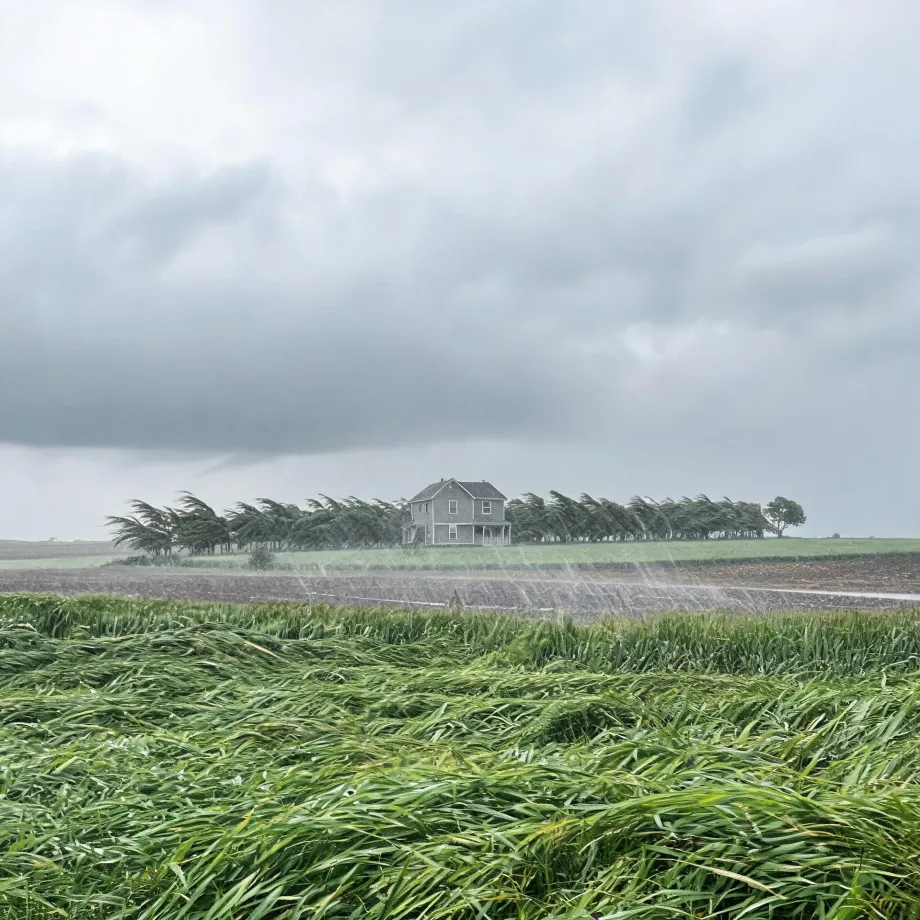
A contractor quoting a furnace install in Grant County has to account for what the equipment will run against, not just what the house looks like on paper. 116 severe weather events were recorded in Grant County, Minnesota between 2015 and 2024. At that rate, severe weather is a normal operating condition for every system in the county, and a furnace that is undersized or loosely installed will feel that gap quickly. Sizing, duct sealing, and combustion setup are local decisions here. A contractor who treats them as catalog defaults is pricing for a different place.
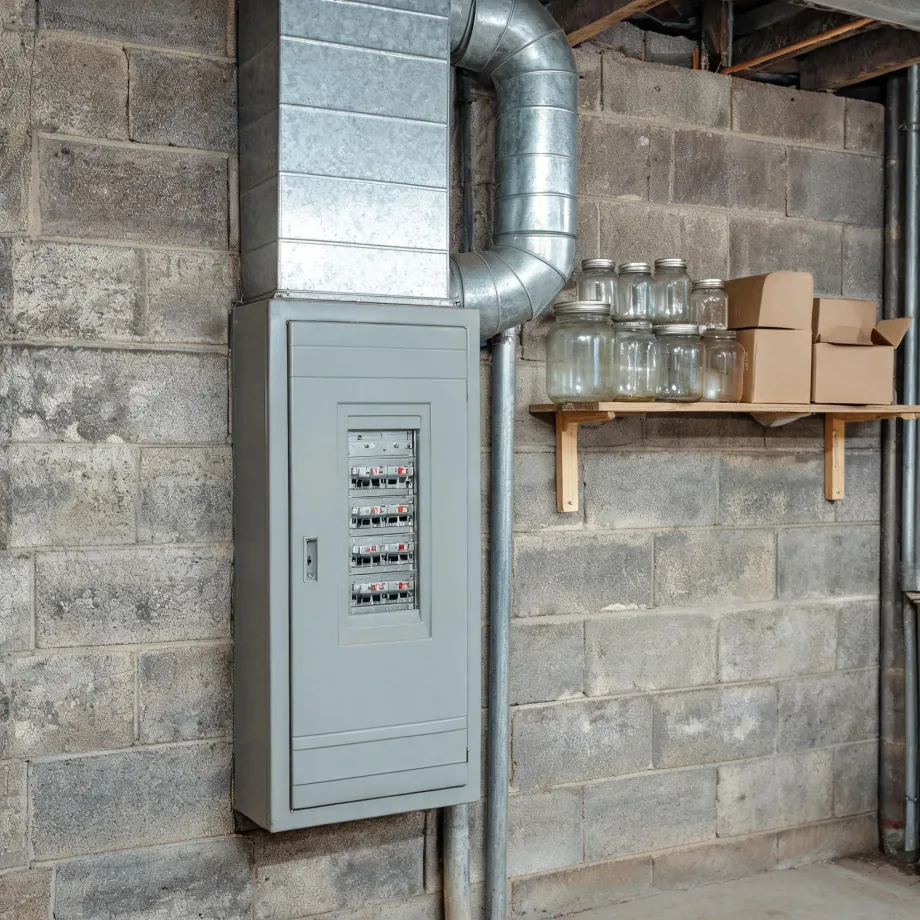
Ductwork laid down for an older heating system carries assumptions about airflow, trunk sizing, and routing that a modern furnace can expose within the first season. Half the homes in Grant County, Minnesota were built in 1966 or earlier (2020-2024 ACS 5-year). A contractor pricing a furnace installation in a house of that vintage is not quoting the unit alone. They are looking at whether existing ducts move enough air for the new equipment's output, and whether the electrical service will carry the load. Where the ducts fall short, the job grows before the furnace ever goes in.
What Gets Installed With a New Furnace
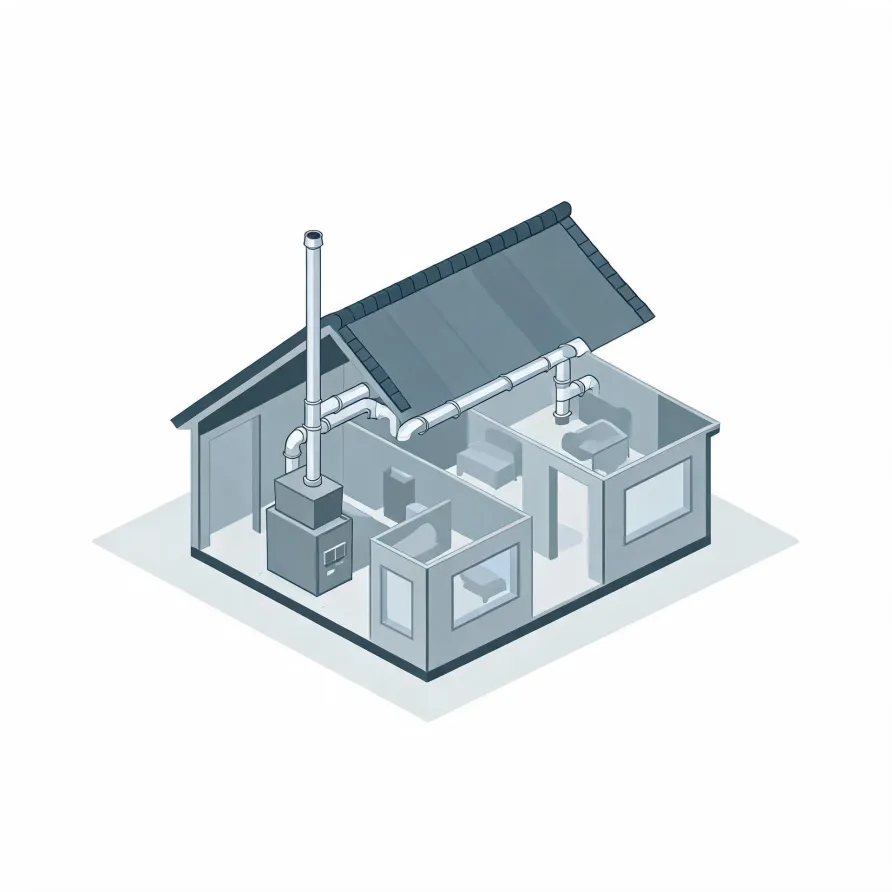
The furnace itself sits in the basement, utility room, or mechanical closet and is the core of what a contractor installs. A burner assembly inside it generates heat, and a heat exchanger transfers that heat to the air moving through the system. The blower motor, housed within the same cabinet, pushes that conditioned air out through the home.
The flue pipe runs from the furnace up and out of the house, carrying combustion gases safely away from the living space. A thermostat goes on an interior wall and serves as the control point for the whole system. The contractor also installs a filter housing at the air intake, which keeps debris from reaching the internal components.
The drawing shows a general layout of these components, and a licensed contractor determines exactly what applies to your house and its existing setup.
Get matched in Grant CountyGrant County, by the numbers
116 severe weather events were recorded in Grant County, Minnesota between 2015 and 2024.
NOAA National Centers for Environmental Information, Storm Events Database, bulk CSV export, events 2015-01-01 through 2024-12-31.Half the homes in Grant County, Minnesota were built in 1966 or earlier (2020-2024 ACS 5-year).
U.S. Census Bureau, 2020-2024 American Community Survey 5-Year EstimatesGrant County, Minnesota holds 3,137 housing units (2020-2024 ACS 5-year).
U.S. Census Bureau, 2020-2024 American Community Survey 5-Year EstimatesOwners occupy 79.2% of the occupied homes in Grant County, Minnesota (2020-2024 ACS 5-year).
U.S. Census Bureau, 2020-2024 American Community Survey 5-Year EstimatesCodes & Standards Governing Furnace and HVAC Installation in Grant County, Minnesota6 sourced rules and standards
What the Installation Actually Looks Like
Non-weatherized gas furnaces manufactured on or after November 19, 2015 must reach 80.0 percent AFUE.
Non-weatherized oil-fired furnaces manufactured on or after November 19, 2015 must reach 83.0 percent AFUE.
Mobile home gas furnaces manufactured on or after November 19, 2015 must reach 80.0 percent AFUE.
Non-weatherized gas furnaces manufactured on or after December 18, 2028 must reach 95.0 percent AFUE, up from the 80.0 percent minimum that applies to units manufactured before that date.
Licensing Rules for HVAC Work in Grant County, Minnesota
Minnesota defines a mechanical contractor as a business that installs, repairs or maintains heating, ventilating, cooling or refrigeration systems — the definition that carries the exemption from the residential contractor licence.
Minnesota's residential contractor licence does not reach HVAC work: the licensing section carries its own exemption list, and a mechanical contractor is exempt from the licence requirement by name.
Severe Weather Events in Grant County
Grant County's weather places real demands on heating equipment over the course of a year. A furnace that is sized and installed for local conditions holds up differently than one that is not, which is why weather history is part of the picture for any installation here.
116 severe weather events, 2015–2024. Source: NOAA National Centers for Environmental Information, Storm Events Database.