Tell us about the job
Takes about a minute. No obligation.
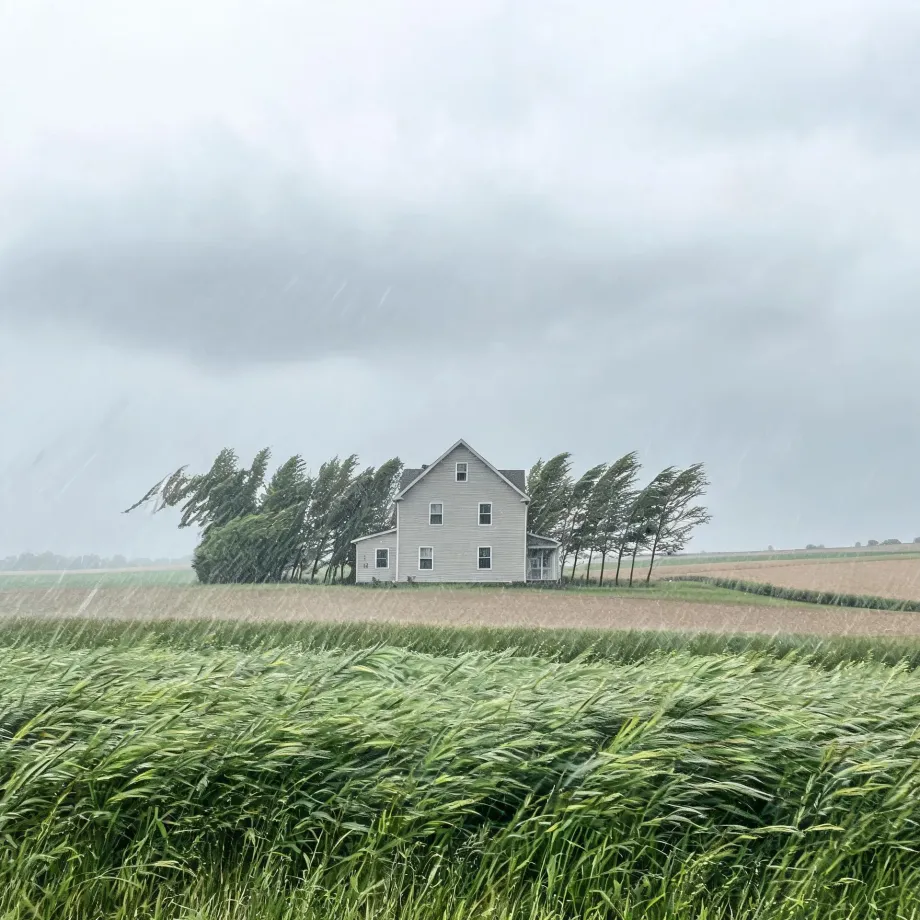
A furnace repair in Pine County starts with a question the weather record makes harder to skip: what has this system already been through? 166 severe weather events were recorded in Pine County, Minnesota between 2015 and 2024. At that rate, severe weather is a standing feature of the climate here, not an occasional disruption, and it puts real cumulative stress on components that cycling and cold already work hard. A contractor will check the heat exchanger, the igniter, and the blower for wear that matches that kind of sustained load before settling on a cause.
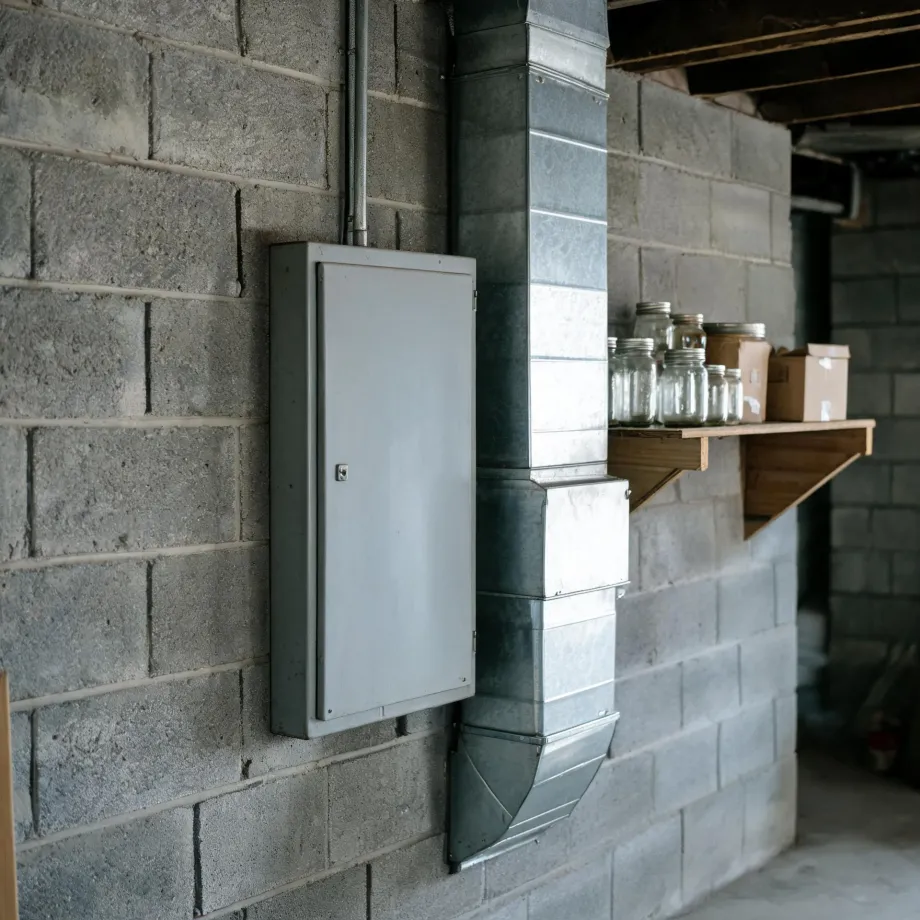
Furnace repair in a county with this housing stock runs into a specific problem once the unit is open: the parts a contractor needs to finish the job. Half the homes in Pine County, Minnesota were built in 1984 or earlier (2020-2024 ACS 5-year). Systems installed into houses built around that period have already been replaced once or more, and the current equipment may predate parts availability windows that manufacturers still support. A contractor who pulls a heat exchanger or a control board here checks sourcing before quoting the repair, because the right part and a stocked part are sometimes different things.
The Parts of a Furnace a Contractor Checks First
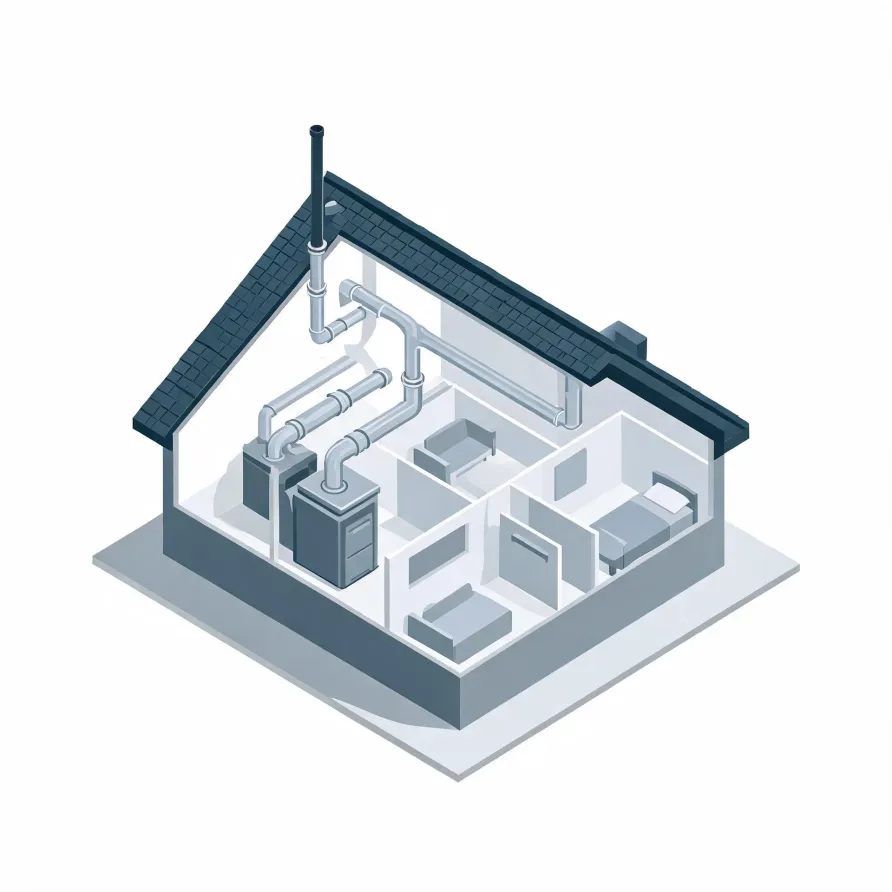
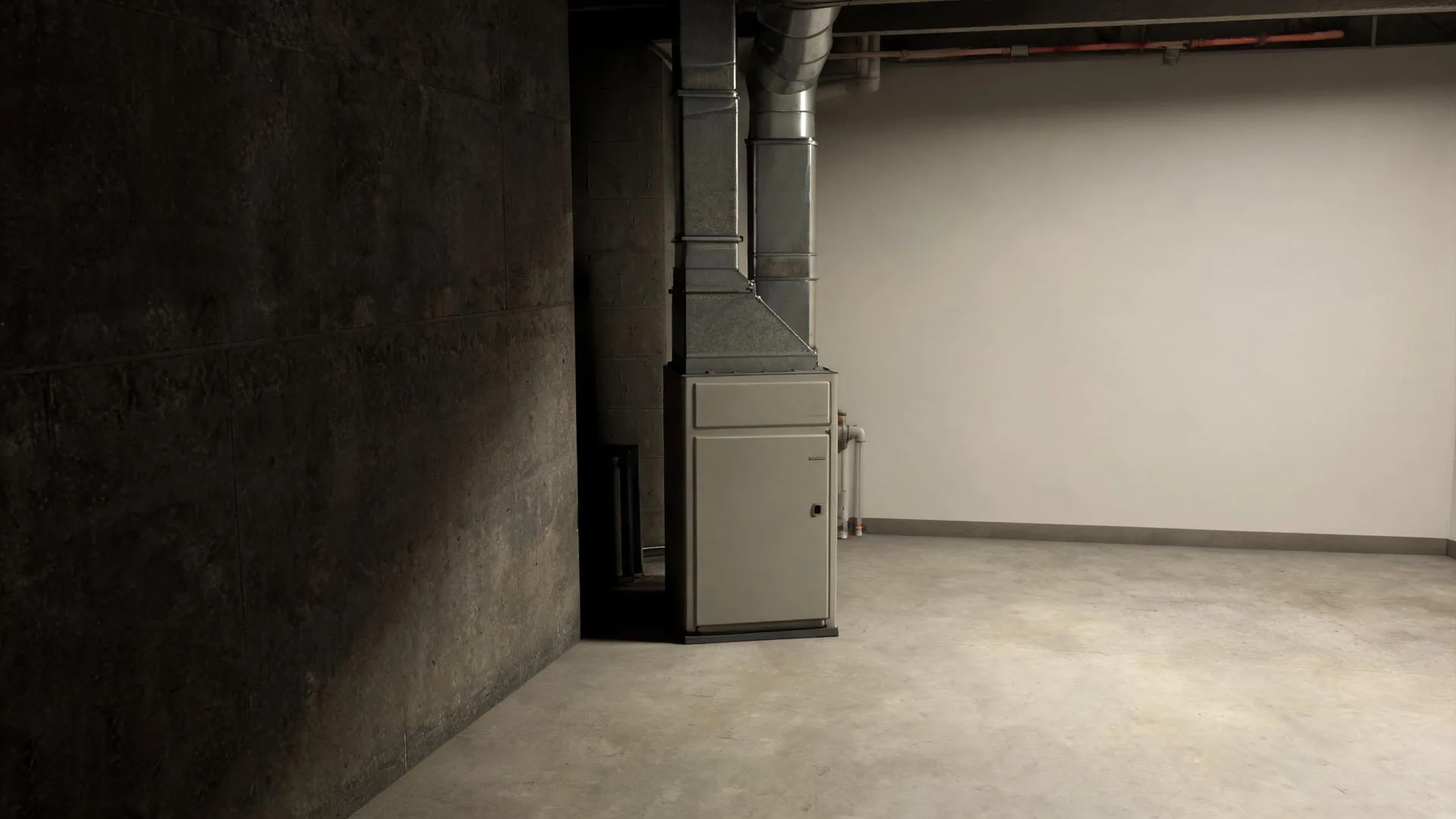
The heat exchanger sits at the core of the furnace cabinet in the basement or utility room, and it is the piece that warms the air moving through your home. A crack or failure there is serious. The burner assembly feeds it directly, and when the furnace short-cycles, runs cold, or fails to light, both pieces are where a contractor looks first.
The blower motor sits below the heat exchanger and pushes conditioned air into the supply side of the duct system. The inducer motor and the flue connection sit at the top of the cabinet, pulling combustion gases out of the heat exchanger and venting them outside. The control board ties all of it together, reading sensors and telling each component when to run.
The drawing shows a typical furnace layout, and a licensed contractor determines which components apply to your specific system and what each one needs.
Get matched in Pine CountyPine County, Minnesota, by the numbers
166 severe weather events were recorded in Pine County, Minnesota between 2015 and 2024.
NOAA National Centers for Environmental Information, Storm Events Database, bulk CSV export, events 2015-01-01 through 2024-12-31.Half the homes in Pine County, Minnesota were built in 1984 or earlier (2020-2024 ACS 5-year).
U.S. Census Bureau, 2020-2024 American Community Survey 5-Year EstimatesPine County, Minnesota holds 17,284 housing units (2020-2024 ACS 5-year).
U.S. Census Bureau, 2020-2024 American Community Survey 5-Year EstimatesOwners occupy 81.6% of the occupied homes in Pine County, Minnesota (2020-2024 ACS 5-year).
U.S. Census Bureau, 2020-2024 American Community Survey 5-Year EstimatesCodes & Standards Behind Furnace Repair in Pine County, Minnesota6 sourced rules and standards
What HVAC Repair Looks Like in Pine County
Non-weatherized gas furnaces manufactured on or after November 19, 2015 must reach 80.0 percent AFUE.
Non-weatherized oil-fired furnaces manufactured on or after November 19, 2015 must reach 83.0 percent AFUE.
Mobile home gas furnaces manufactured on or after November 19, 2015 must reach 80.0 percent AFUE.
Non-weatherized gas furnaces manufactured on or after December 18, 2028 must reach 95.0 percent AFUE, up from the 80.0 percent minimum that applies to units manufactured before that date.
Licensing and Legal Requirements in Pine County, Minnesota
Minnesota defines a mechanical contractor as a business that installs, repairs or maintains heating, ventilating, cooling or refrigeration systems — the definition that carries the exemption from the residential contractor licence.
Minnesota's residential contractor licence does not reach HVAC work: the licensing section carries its own exemption list, and a mechanical contractor is exempt from the licence requirement by name.
Severe Weather Events in Pine County
Extreme weather puts real hours on a furnace. Pine County's climate shapes how hard local heating systems work and how often they need attention.
166 severe weather events, 2015–2024. Source: NOAA National Centers for Environmental Information, Storm Events Database.