Tell us about the job
Takes about a minute. No obligation.
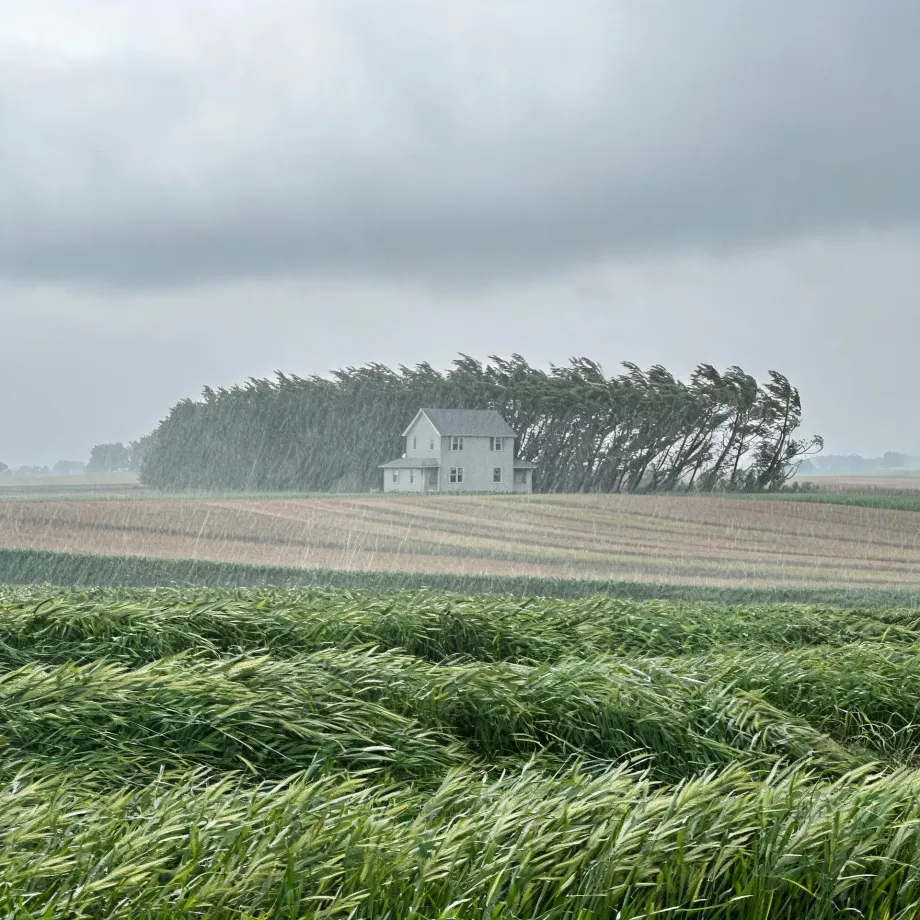
A contractor called out to repair a furnace in Scott County has to account for what the equipment has already been through before settling on a cause. 137 severe weather events were recorded in Scott County, Minnesota between 2015 and 2024. At that rate, severe weather is a standing condition for every system in the county, and heat exchangers, ignitors, and pressure switches absorb that load year after year. When one of those parts fails, the weather record is where a contractor looks first, not last.
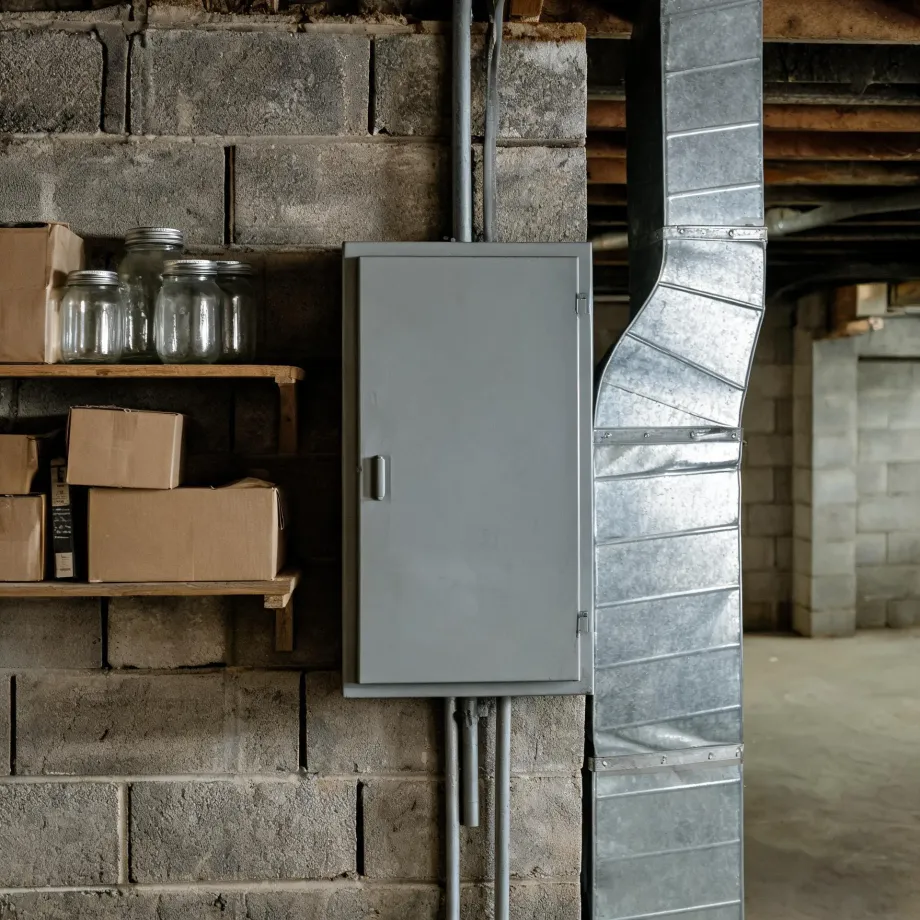
Half the homes in Scott County, Minnesota were built in 1997 or earlier (2020-2024 ACS 5-year). A furnace in a house that age is likely running on a parts catalog that has narrowed considerably since installation. When a contractor opens the unit, what they find is a heat exchanger, a control board, or an igniter whose replacement may require sourcing from secondary suppliers rather than placing a standard order. That gap between what the system needs and what is readily available is what decides whether a repair closes in a day or stretches into a parts search, and it is the first thing a contractor prices out before quoting labor.
The Parts of a Furnace a Contractor Checks First
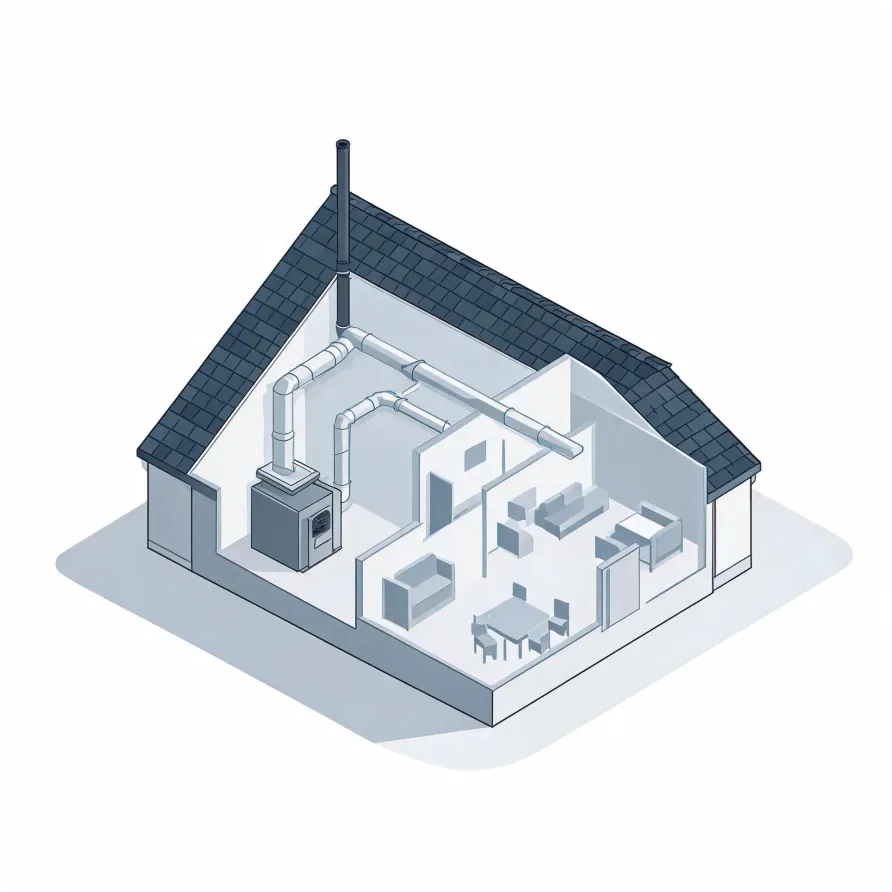
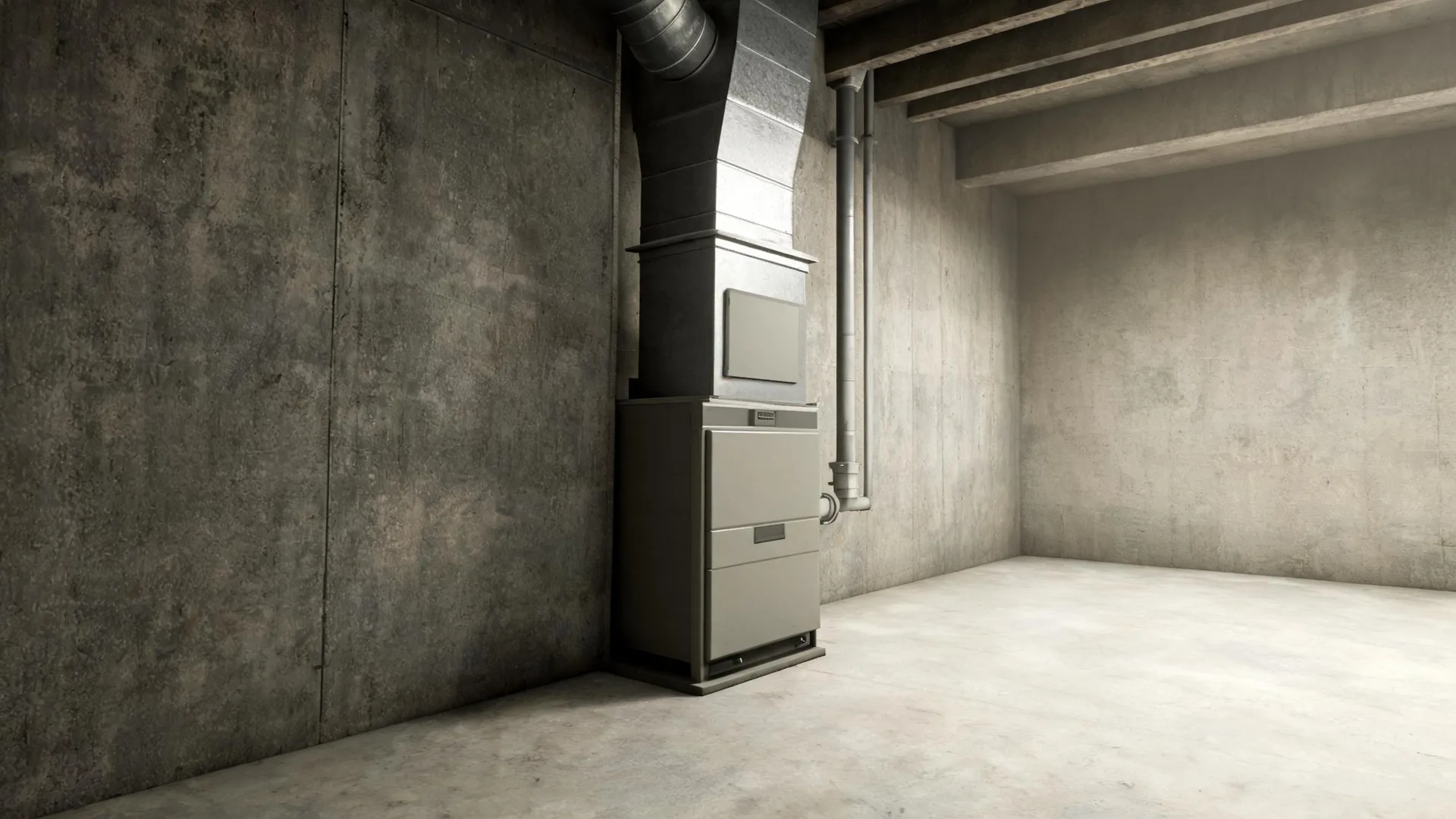
The furnace itself sits in the basement, utility room, or closet and is the piece a contractor goes to first. Inside it, the heat exchanger and burner assembly are the usual suspects when something has stopped working right. A cracked heat exchanger or a burner that won't light properly accounts for a large share of repair calls.
The blower motor pushes conditioned air out through the supply side and sits inside the furnace cabinet. The flue pipe runs from the furnace up and out of the house, and a problem there can trigger safety shutoffs that look like a furnace failure but are not. The thermostat on the wall is the last piece a contractor checks, since a wiring fault or a failed sensor there can mimic a failed furnace.
The drawing shows the general layout of a furnace system, and a licensed contractor determines which parts apply and what condition they are in for your specific home.
Get matched in Scott CountyScott County, by the numbers
137 severe weather events were recorded in Scott County, Minnesota between 2015 and 2024.
NOAA National Centers for Environmental Information, Storm Events Database, bulk CSV export, events 2015-01-01 through 2024-12-31.Half the homes in Scott County, Minnesota were built in 1997 or earlier (2020-2024 ACS 5-year).
U.S. Census Bureau, 2020-2024 American Community Survey 5-Year EstimatesScott County, Minnesota holds 56,671 housing units (2020-2024 ACS 5-year).
U.S. Census Bureau, 2020-2024 American Community Survey 5-Year EstimatesOwners occupy 83.8% of the occupied homes in Scott County, Minnesota (2020-2024 ACS 5-year).
U.S. Census Bureau, 2020-2024 American Community Survey 5-Year EstimatesCodes & Standards Governing Furnace and HVAC Repair in Scott County, Minnesota6 sourced rules and standards
What Happens When the Contractor Shows Up
Non-weatherized gas furnaces manufactured on or after November 19, 2015 must reach 80.0 percent AFUE.
Non-weatherized oil-fired furnaces manufactured on or after November 19, 2015 must reach 83.0 percent AFUE.
Mobile home gas furnaces manufactured on or after November 19, 2015 must reach 80.0 percent AFUE.
Non-weatherized gas furnaces manufactured on or after December 18, 2028 must reach 95.0 percent AFUE, up from the 80.0 percent minimum that applies to units manufactured before that date.
Licensing and Legal Requirements in Scott County, Minnesota
Minnesota defines a mechanical contractor as a business that installs, repairs or maintains heating, ventilating, cooling or refrigeration systems — the definition that carries the exemption from the residential contractor licence.
Minnesota's residential contractor licence does not reach HVAC work: the licensing section carries its own exemption list, and a mechanical contractor is exempt from the licence requirement by name.
Severe Weather Events in Scott County
Extreme weather puts real strain on furnace systems, pushing them to run harder and longer than ordinary cold ever would. How often that happens here shapes how much repair work local equipment actually sees.
137 severe weather events, 2015–2024. Source: NOAA National Centers for Environmental Information, Storm Events Database.