Tell us about the job
Takes about a minute. No obligation.
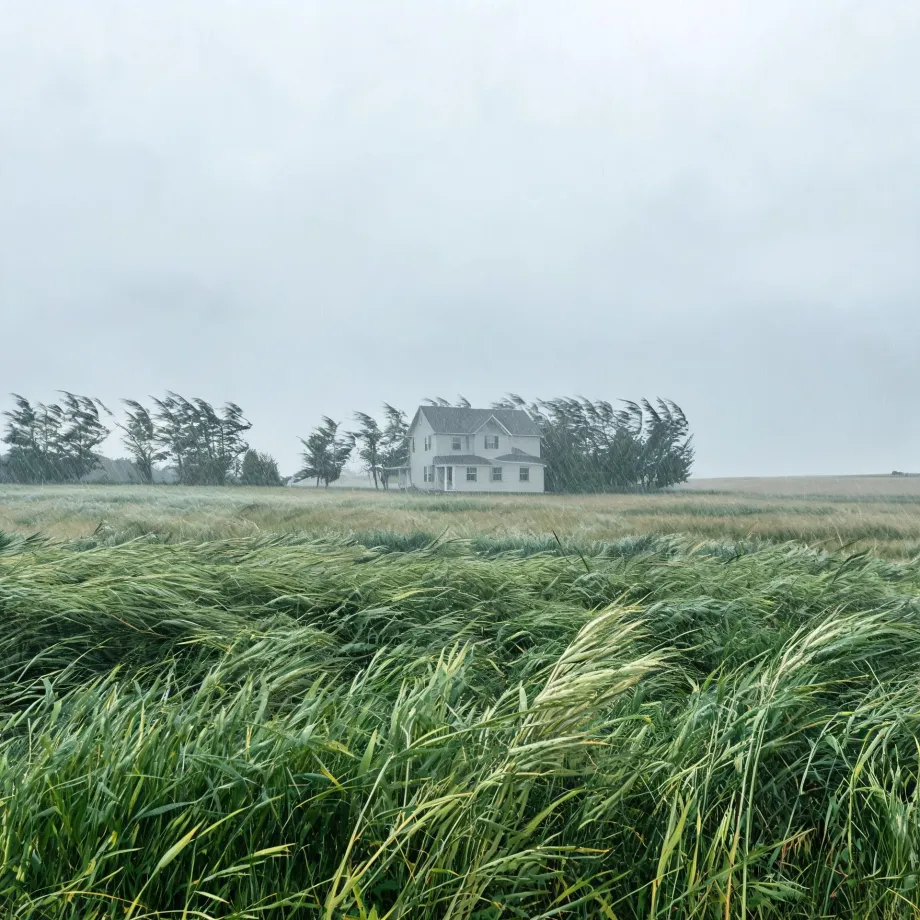
A furnace repair in Dakota County starts with what the system has actually been running against. 210 severe weather events were recorded in Dakota County, Minnesota between 2015 and 2024. At that rate, severe weather is a standing condition here, not a rare interruption, and a contractor opening a furnace in this county expects to find heat exchangers, igniters, and blower motors that have been cycled hard. Those are the components that absorb the load and the ones that give out. Age and maintenance matter too, but the weather record in this area means a contractor rules out stress-related wear before they move on to anything else.
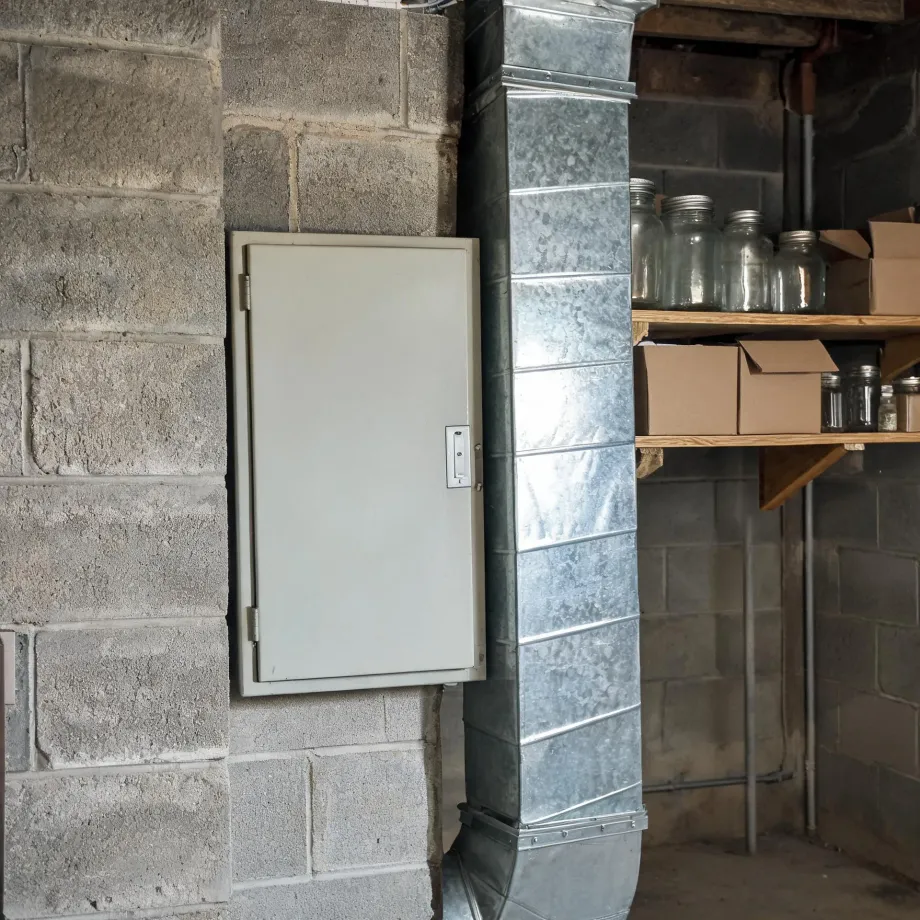
Half the homes in Dakota County, Minnesota were built in 1988 or earlier (2020-2024 ACS 5-year). Furnaces installed into housing that old have often cycled through at least one set of replacement parts already, and what a contractor finds once the heat exchanger or control board comes out may be a component the original manufacturer no longer supports. That is the real variable in a repair quote here: not the labor, not the diagnostic call, but whether the part the opened unit actually needs is still being made and how long it takes to land one.
The Parts of a Furnace a Contractor Checks First
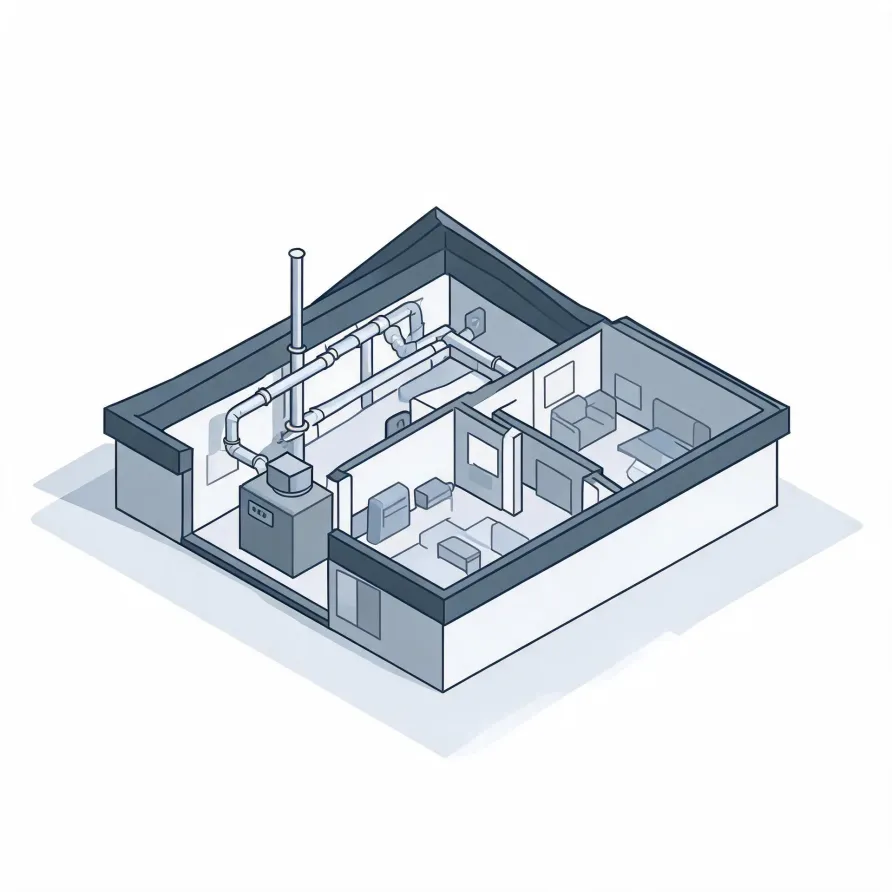
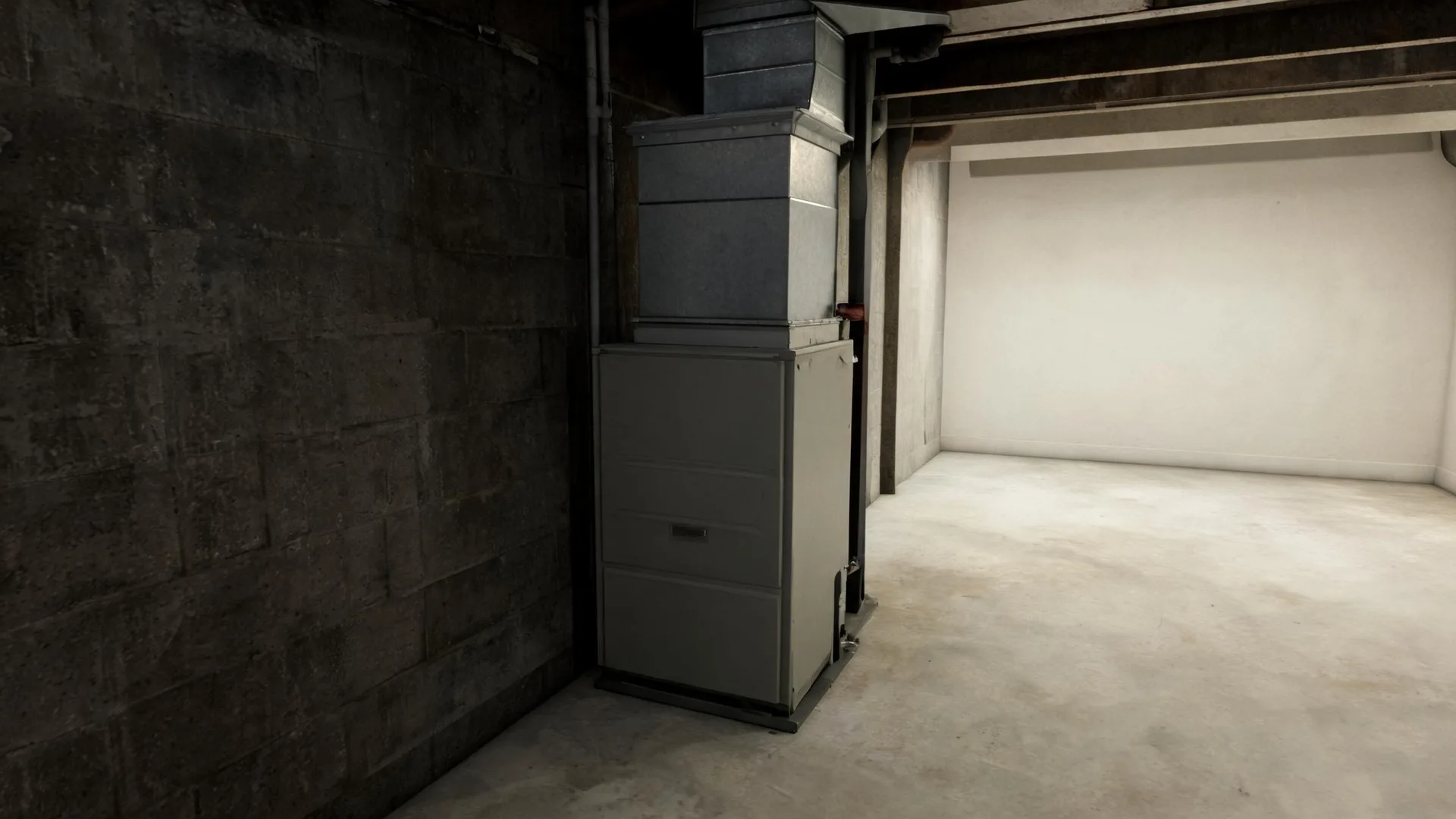
The heat exchanger sits inside the furnace cabinet in the basement or utility room and is the piece a contractor reaches first when diagnosing most problems. Cracks or buildup here affect the whole system. The burner assembly sits just below it and is where combustion starts; a contractor checks it for ignition failures and blockages.
The blower motor and its wheel sit at the base of the cabinet and push conditioned air into the duct system. The flue pipe runs from the top of the furnace up and out of the house, and the control board coordinates every component; either one can be the source of a symptom that looks like something else.
The drawing shows a typical furnace layout, and a licensed contractor determines which parts apply to your specific system.
Get matched in Dakota CountyDakota County, Minnesota, by the numbers
210 severe weather events were recorded in Dakota County, Minnesota between 2015 and 2024.
NOAA National Centers for Environmental Information, Storm Events Database, bulk CSV export, events 2015-01-01 through 2024-12-31.Half the homes in Dakota County, Minnesota were built in 1988 or earlier (2020-2024 ACS 5-year).
U.S. Census Bureau, 2020-2024 American Community Survey 5-Year EstimatesDakota County, Minnesota holds 178,879 housing units (2020-2024 ACS 5-year).
U.S. Census Bureau, 2020-2024 American Community Survey 5-Year EstimatesOwners occupy 74.9% of the occupied homes in Dakota County, Minnesota (2020-2024 ACS 5-year).
U.S. Census Bureau, 2020-2024 American Community Survey 5-Year EstimatesFurnace & HVAC Repair Rules on Record for Dakota County, Minnesota6 codes, standards & laws
What Happens When a Contractor Comes Out
Non-weatherized gas furnaces manufactured on or after November 19, 2015 must reach 80.0 percent AFUE.
Non-weatherized oil-fired furnaces manufactured on or after November 19, 2015 must reach 83.0 percent AFUE.
Mobile home gas furnaces manufactured on or after November 19, 2015 must reach 80.0 percent AFUE.
Non-weatherized gas furnaces manufactured on or after December 18, 2028 must reach 95.0 percent AFUE, up from the 80.0 percent minimum that applies to units manufactured before that date.
Licensing and Legal Requirements for HVAC Repair in Dakota County, Minnesota
Minnesota defines a mechanical contractor as a business that installs, repairs or maintains heating, ventilating, cooling or refrigeration systems — the definition that carries the exemption from the residential contractor licence.
Minnesota's residential contractor licence does not reach HVAC work: the licensing section carries its own exemption list, and a mechanical contractor is exempt from the licence requirement by name.
Severe Weather Events in Dakota County
Extreme weather puts real stress on heating equipment. Dakota County winters test furnaces hard, and that workload shows up in repair demand.
210 severe weather events, 2015–2024. Source: NOAA National Centers for Environmental Information, Storm Events Database.