Tell us about the job
Takes about a minute. No obligation.
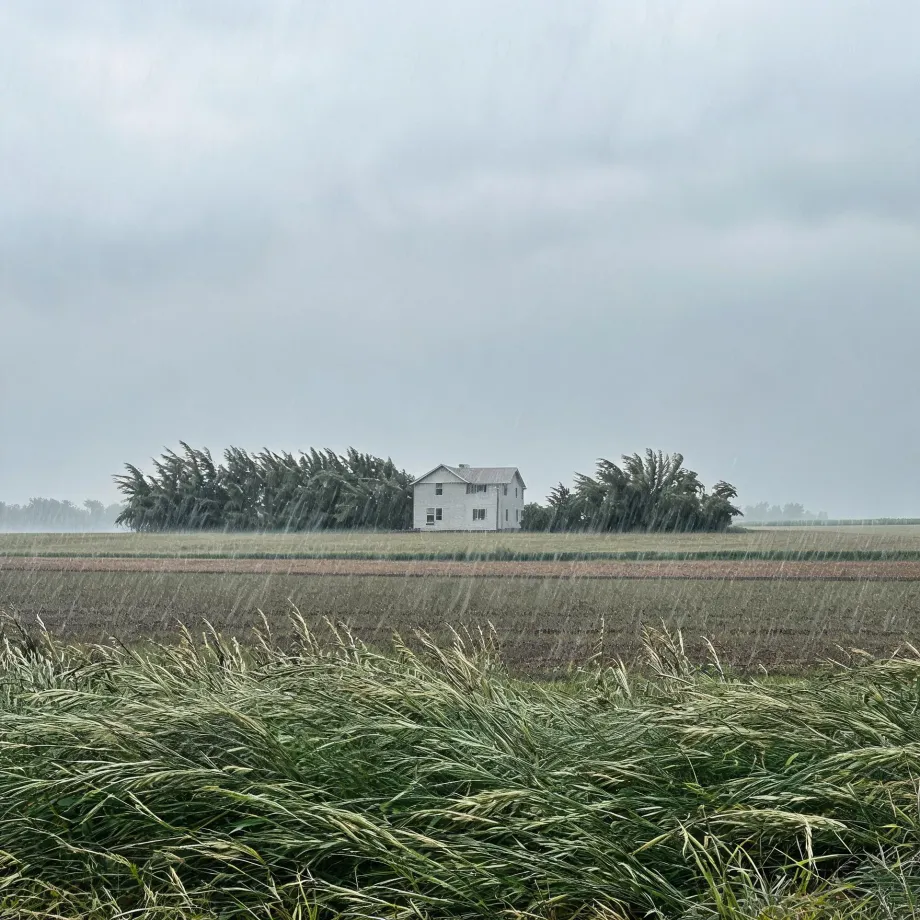
A furnace in this county has been running against weather that arrives with real regularity. 144 severe weather events were recorded in Washington County, Minnesota between 2015 and 2024. At that rate, wear on ignition components and heat exchangers accumulates from sustained demand, not from a single hard season. A contractor called out for a repair will work through those components first, because the load this area puts on a heating system is the most likely explanation for what gave out.
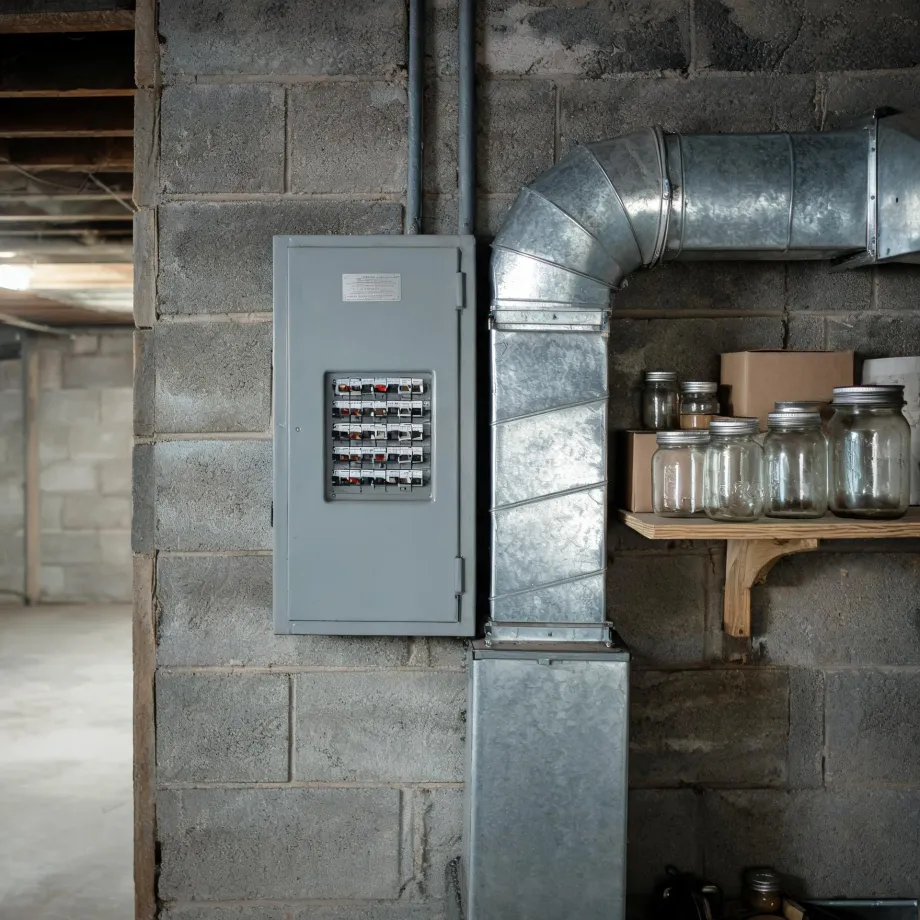
Furnace parts availability is where many repairs in this county get complicated. Half the homes in Washington County, Minnesota were built in 1992 or earlier (2020-2024 ACS 5-year). A system installed when that housing was new has had decades of cycling, and once a contractor opens the cabinet, the question is whether the specific heat exchanger, burner assembly, or ignition component it takes can still be sourced. Some can. Others have aged out of manufacturer support entirely, which turns what looked like a parts swap into a replacement conversation. A contractor needs the unit open before that question has an answer.
The Parts of a Furnace a Contractor Checks First
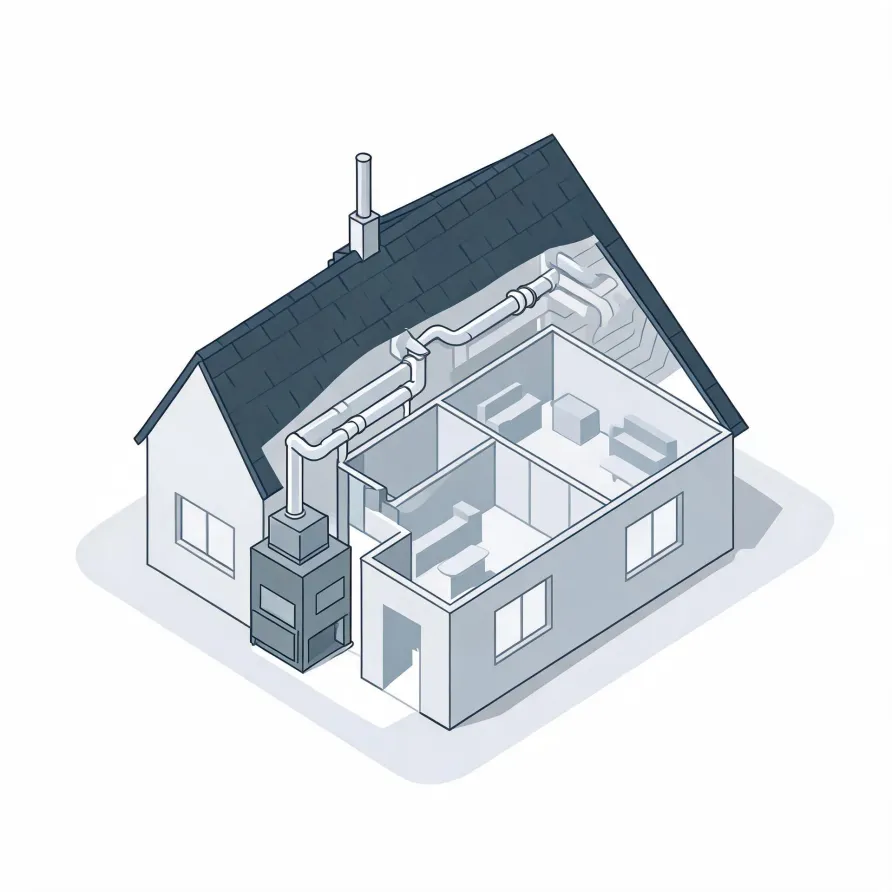
The furnace itself sits in a utility space, basement, or closet and is the piece doing the actual work of producing heat. Inside it, the heat exchanger and burners are where most problems show up. A cracked heat exchanger, a dirty burner, or a failed ignitor are the first things a contractor looks at when the furnace is not heating or is cycling off early.
The blower motor sits inside the furnace cabinet and pushes conditioned air out through the house. The flue or exhaust vent runs from the furnace to an outside wall or through the roof, carrying combustion gases out. A contractor checks the blower for motor and belt problems and inspects the flue for blockages or signs of backdrafting.
The drawing shows a representative layout, and a licensed contractor determines which components apply to the specific system in your home.
Get matched in Washington CountyWashington County, Minnesota, by the numbers
144 severe weather events were recorded in Washington County, Minnesota between 2015 and 2024.
NOAA National Centers for Environmental Information, Storm Events Database, bulk CSV export, events 2015-01-01 through 2024-12-31.Half the homes in Washington County, Minnesota were built in 1992 or earlier (2020-2024 ACS 5-year).
U.S. Census Bureau, 2020-2024 American Community Survey 5-Year EstimatesWashington County, Minnesota holds 109,307 housing units (2020-2024 ACS 5-year).
U.S. Census Bureau, 2020-2024 American Community Survey 5-Year EstimatesOwners occupy 81.3% of the occupied homes in Washington County, Minnesota (2020-2024 ACS 5-year).
U.S. Census Bureau, 2020-2024 American Community Survey 5-Year EstimatesFurnace Repair Rules & Codes for Washington County, Minnesota6 sourced standards and regulations
What HVAC Repair Looks Like in Washington County
Non-weatherized gas furnaces manufactured on or after November 19, 2015 must reach 80.0 percent AFUE.
Non-weatherized oil-fired furnaces manufactured on or after November 19, 2015 must reach 83.0 percent AFUE.
Mobile home gas furnaces manufactured on or after November 19, 2015 must reach 80.0 percent AFUE.
Non-weatherized gas furnaces manufactured on or after December 18, 2028 must reach 95.0 percent AFUE, up from the 80.0 percent minimum that applies to units manufactured before that date.
Licensing and Legal Requirements in Washington County, Minnesota
Minnesota defines a mechanical contractor as a business that installs, repairs or maintains heating, ventilating, cooling or refrigeration systems — the definition that carries the exemption from the residential contractor licence.
Minnesota's residential contractor licence does not reach HVAC work: the licensing section carries its own exemption list, and a mechanical contractor is exempt from the licence requirement by name.
Severe Weather Events in Washington County
Extreme weather puts real strain on heating equipment, forcing it to run harder and longer than ordinary conditions demand. How much stress a furnace accumulates over time is a local question, and the pattern of severe weather in this area is part of that answer.
144 severe weather events, 2015–2024. Source: NOAA National Centers for Environmental Information, Storm Events Database.