Tell us about the job
Takes about a minute. No obligation.
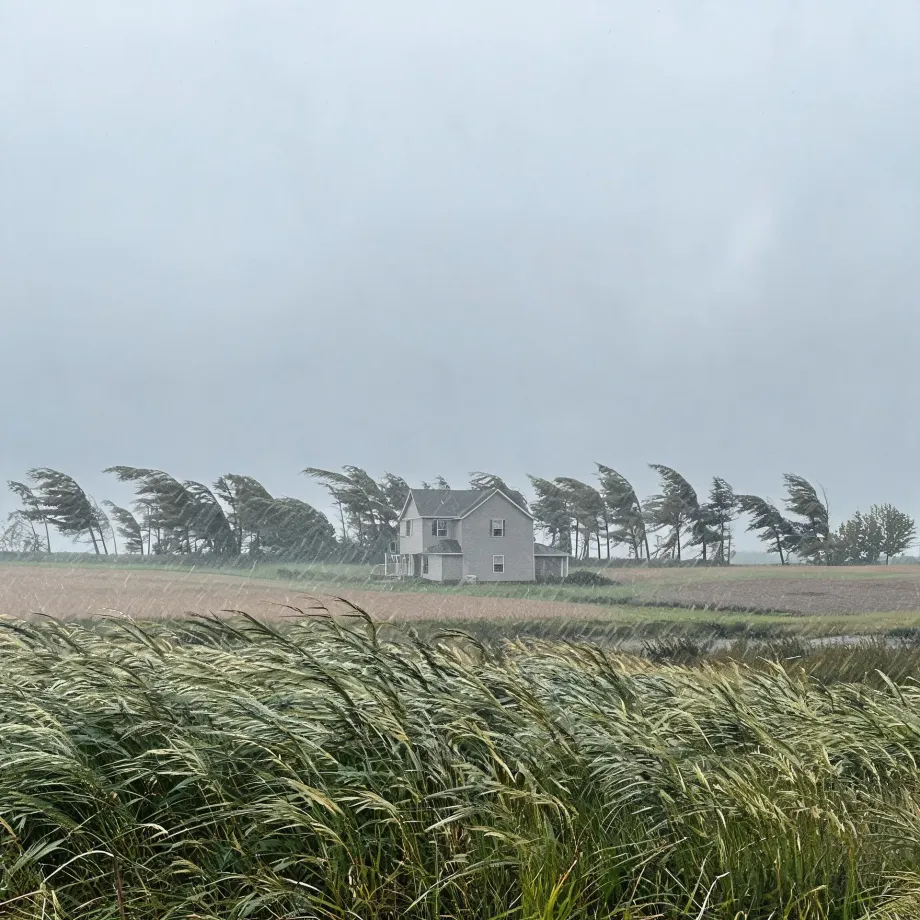
A furnace repair in Lake County asks a contractor to do more than find the broken part. 145 severe weather events were recorded in Lake County, Minnesota between 2015 and 2024. At that rate, severe weather is a steady feature of operating life here, not an occasional interruption, and a furnace that has been running through it will carry that load in its heat exchanger, its blower motor, its controls. A contractor who skips that history and prices only what is visibly wrong will miss stress that has already moved to adjacent components.
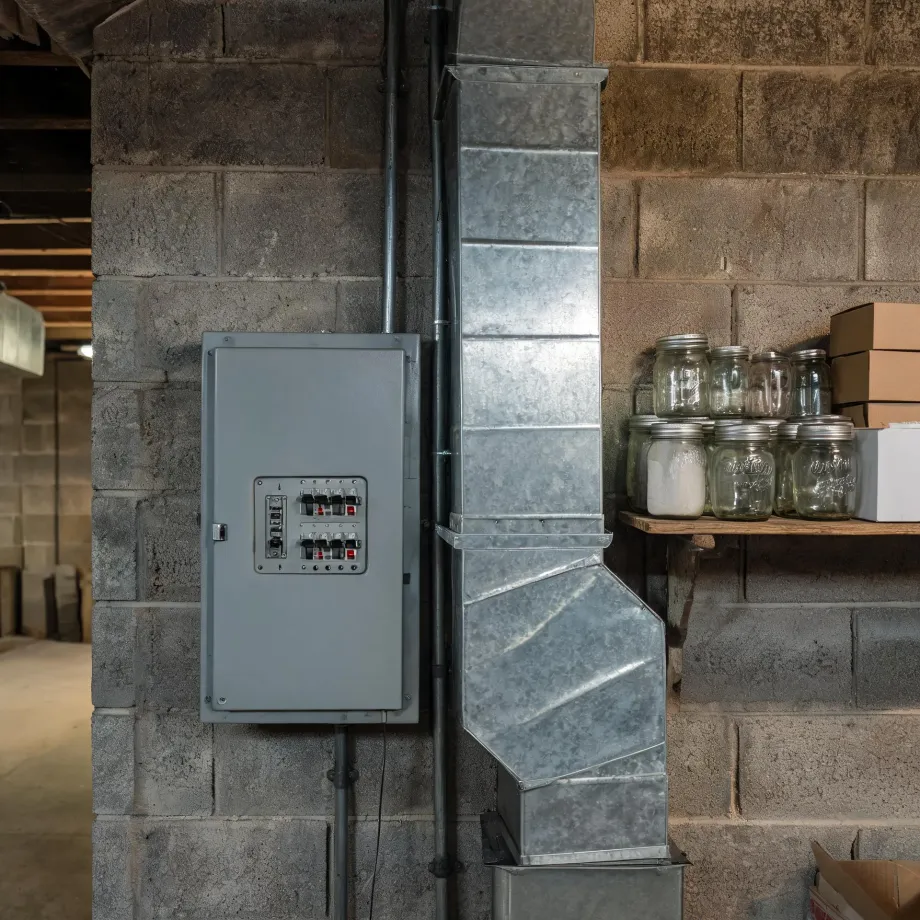
Furnaces in a house do not age at the same rate as the house itself. Half the homes in Lake County, Minnesota were built in 1969 or earlier (2020-2024 ACS 5-year). That spread means the heating equipment a contractor opens today was likely swapped in or retrofitted well after the original build, and the replacement history is rarely documented. What matters at that point is whether the failed component inside the unit is still in production. If the part has been discontinued, the repair closes and the conversation shifts to what replaces the system entirely.
The Parts of a Furnace a Contractor Checks First
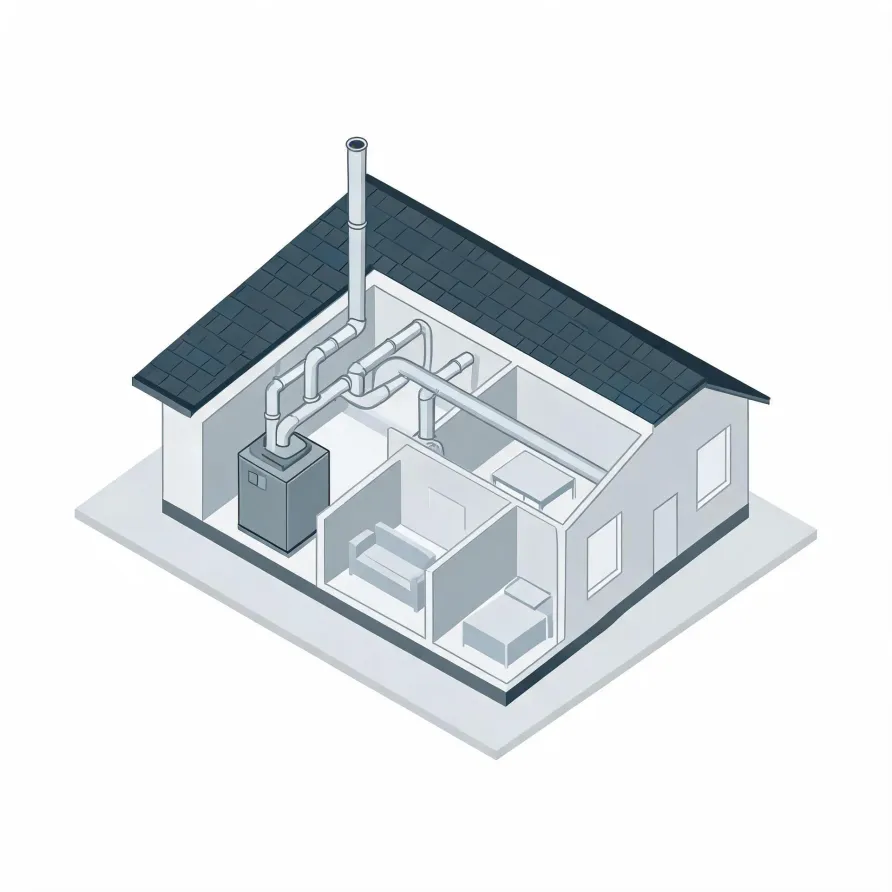
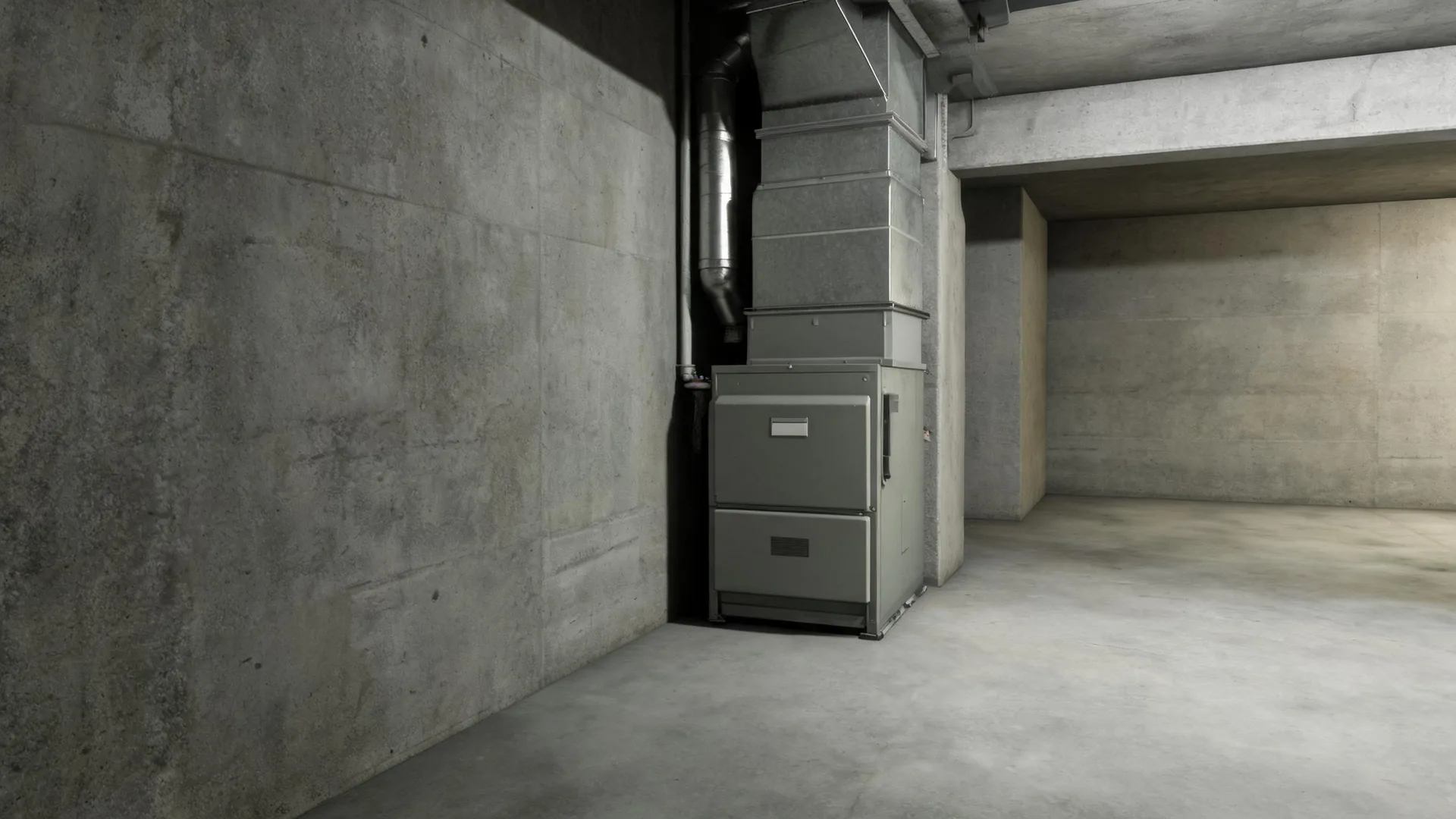
The furnace itself sits in the basement, utility room, or closet and is where heat is produced. Inside it, the heat exchanger is the piece a contractor looks at closely during a repair call: cracks or failures there affect both heating and safety. The burners, which fire beneath the heat exchanger, are another early stop when the system is not heating properly.
The blower motor sits at the base of the furnace cabinet and pushes conditioned air into the duct system. The flue or exhaust vent runs from the top of the unit to the outside, carrying combustion gases out of the house. The thermostat on the wall controls when the furnace fires and is often where a diagnosis starts.
The drawing shows a typical furnace layout, and a licensed contractor determines exactly which components apply to the system in your home.
Get matched in Lake CountyLake County, Minnesota, by the numbers
145 severe weather events were recorded in Lake County, Minnesota between 2015 and 2024.
NOAA National Centers for Environmental Information, Storm Events Database, bulk CSV export, events 2015-01-01 through 2024-12-31.Half the homes in Lake County, Minnesota were built in 1969 or earlier (2020-2024 ACS 5-year).
U.S. Census Bureau, 2020-2024 American Community Survey 5-Year EstimatesLake County, Minnesota holds 7,449 housing units (2020-2024 ACS 5-year).
U.S. Census Bureau, 2020-2024 American Community Survey 5-Year EstimatesOwners occupy 83.5% of the occupied homes in Lake County, Minnesota (2020-2024 ACS 5-year).
U.S. Census Bureau, 2020-2024 American Community Survey 5-Year EstimatesCodes & Standards Governing Furnace and HVAC Repair in Lake County, Minnesota6 sourced rules and standards
What happens when a contractor comes out
Non-weatherized gas furnaces manufactured on or after November 19, 2015 must reach 80.0 percent AFUE.
Non-weatherized oil-fired furnaces manufactured on or after November 19, 2015 must reach 83.0 percent AFUE.
Mobile home gas furnaces manufactured on or after November 19, 2015 must reach 80.0 percent AFUE.
Non-weatherized gas furnaces manufactured on or after December 18, 2028 must reach 95.0 percent AFUE, up from the 80.0 percent minimum that applies to units manufactured before that date.
Licensing and Legal Requirements in Lake County, Minnesota
Minnesota defines a mechanical contractor as a business that installs, repairs or maintains heating, ventilating, cooling or refrigeration systems — the definition that carries the exemption from the residential contractor licence.
Minnesota's residential contractor licence does not reach HVAC work: the licensing section carries its own exemption list, and a mechanical contractor is exempt from the licence requirement by name.
Severe Weather Events in Lake County
Extreme weather puts real hours on a furnace. Repairs in Lake County reflect that load, which is why the local weather record belongs on a page about keeping heating equipment running.
145 severe weather events, 2015–2024. Source: NOAA National Centers for Environmental Information, Storm Events Database.